
Grip Strength: The Overlooked Longevity Marker Nobody Trains
Grip strength predicts all-cause mortality better than blood pressure, and most people are quietly losing it every year without noticing. Here's why it matters and how to train it in 10 minutes a week.

There's a specific test that predicts your risk of dying in the next decade better than your blood pressure, better than your cholesterol, and roughly as well as the composite scores your cardiologist charges $400 to calculate. It takes about six seconds to perform, requires a single piece of equipment that costs less than a bad restaurant meal, and almost nobody uses it. The test is grip strength, how hard you can squeeze, and the research on it is one of the most consistently ignored findings in preventive medicine.
The 2015 Prospective Urban-Rural Epidemiology study followed 140,000 adults across 17 countries and found that every 5-kilogram drop in grip strength was associated with a 16% increase in all-cause mortality, a 17% increase in cardiovascular death, and a 9% increase in stroke risk. Follow-up studies replicated the finding in Japanese, European, and American populations. Grip strength isn't just a curiosity, it's a proxy for total-body function, neuromuscular health, and the long slow decline nobody wants to look at directly.
Why your hands tell the whole story
Grip strength is a systems test disguised as a hand test. To squeeze hard, you need functional muscle mass, healthy nerves connecting brain to muscle, adequate circulation, sufficient testosterone or growth hormone signaling, and a nervous system that can generate coordinated effort. When any of those systems degrade, and they all degrade with age, inactivity, and chronic disease, grip strength drops before most other symptoms appear. It's the check-engine light for the entire musculoskeletal system.
This is why it works as a mortality predictor: it's not that weak hands kill you, it's that weak hands are the most reliable outward sign that something bigger is going wrong. The body loses about 1% of muscle mass per year after age 40 if you don't actively resist it, and the small stabilizing muscles of the forearm and hand tend to go first because most modern life gives them almost nothing to do. A person with a firm handshake at 70 has usually kept the rest of their body honest along the way.
How to actually measure it
A hand dynamometer costs $30 on Amazon and gives you a number in kilograms. Squeeze as hard as you can for three seconds, take the higher of two attempts on each hand, and compare against age-adjusted norms. Rough benchmarks for adults: a man under 40 should hit at least 45 kg on his dominant hand, a woman at least 30 kg. Under those numbers means you have work to do; over them by a wide margin means you're already banking longevity insurance.
If you don't want to buy a dynamometer, the dead hang is a decent proxy. Grab a pull-up bar and hang with straight arms until you have to let go. Under 30 seconds at any age is a warning sign. 60 seconds is average. 90 seconds and above is where you want to live. The dead hang also tests shoulder integrity and thoracic mobility, so it's a slightly richer diagnostic than the squeeze alone.
"The handshake of a 70-year-old tells you more about how they'll spend their 80s than any lab work I've ever ordered."
, Dr. Peter Attia, longevity physician
The training is boring and it works
Grip strength responds fast to training, much faster than most muscle groups, because most people are starting from a genuinely detrained baseline. Two 10-minute sessions per week produce measurable improvement within a month, and the ceiling is high enough that even 70-year-olds who start from scratch typically double their strength within a year. The training doesn't need to be complicated. It needs to be heavy, held long enough to matter, and done consistently.
The three exercises that do 90% of the work: dead hangs, farmer's carries, and heavy kettlebell swings. Dead hangs load the fingers and forearms passively. Farmer's carries, walking with a heavy weight in each hand, load them under motion, which trains the stabilizers that pure hangs miss. Kettlebell swings force the grip to maintain a hard hold under ballistic load, which builds the kind of grip that doesn't fail when you actually need it.
- Dead hangs: 3 sets, hold as long as possible, twice per week
- Farmer's carries: 3 sets of 40 steps with the heaviest weight you can hold, once per week
- Kettlebell swings: 5 sets of 10 reps with a heavy bell, once per week
- Optional: pinch holds using a plate or thick book, 3 sets of 20 seconds
Grease the groove, the trick nobody uses
Grip strength responds unusually well to high-frequency, low-fatigue practice, a training approach the Soviet strength coach Pavel Tsatsouline named 'greasing the groove.' The idea: instead of one hard hand-training session per week, do many small sub-maximal efforts spread across every day. Ten seconds on a hangboard when you walk past it. A minute of squeezing a stress ball while you're on a call. A single set of five pull-ups every time you enter the kitchen.
The mechanism is neurological, not muscular. Grip strength is limited more by how efficiently your brain recruits the available motor units than by how big the muscles are. Frequent, low-intensity practice trains the recruitment pattern without accumulating fatigue, and the strength gain per hour of effort ends up dramatically higher than a single grinding session per week. Almost every strength coach who works with older adults uses some version of this, because it's the only approach that a 65-year-old with arthritic knees can sustain for a decade.
The gadgets that quietly help
Most 'grip trainers' sold online are toys. The two categories worth owning: adjustable spring grippers with enough resistance to actually challenge you (100+ pounds), and wrist weights you can wear during walks to add subtle load to your hands and forearms without changing the shape of your day. The second category is the sleeper, light wrist loading turns a normal walk into low-grade resistance training for the shoulder, forearm, and grip, and it's the kind of intervention you'll actually do because it doesn't require a decision.
What grip strength doesn't tell you
For fairness: grip strength is a great marker, not a magic one. A young powerlifter with a 90-kg grip and a terrible diet is still headed for the same metabolic disease as everyone else. A frail 85-year-old whose grip is above average for her age still has a limited runway compared to a 50-year-old with the same number. Grip is a lagging indicator of function, not a leading indicator of every health outcome. The reason it correlates with mortality so well is that it aggregates the effect of dozens of upstream variables, not because squeezing hard makes you live longer in isolation.
This matters because the wrong takeaway is 'I need to train grip in isolation with dozens of specialized tools.' The right takeaway is 'my grip strength is a mirror for my overall physical maintenance, and improving it usually means improving the whole system.' Farmer's carries build grip and posterior chain and cardio. Kettlebell swings build grip and hips and heart rate variability. Dead hangs build grip and shoulder integrity and thoracic mobility. The specialized-grip-widget business exists because gyms need to sell things, not because your forearms need proprietary equipment.
The compound effect nobody talks about
The strongest predictor of whether an adult keeps training into their 60s and 70s isn't discipline, it's whether they've maintained functional strength continuously since their 30s. Losing strength is far harder to reverse than to prevent. A 65-year-old who has kept a mediocre 30-kg grip since middle age is in a completely different position from a 65-year-old whose grip has drifted from 40 kg to 22 kg over three decades, even though the current number is similar. The first person has a nervous system that still knows how to produce force. The second has one that has forgotten.
This is the real case for grip training in your 30s, 40s, and 50s: not because you need the strength today, but because the neurological pattern of producing effort is the thing you're actually maintaining. Muscle mass you can rebuild slowly. Nerve-to-muscle communication that has atrophied for 20 years is much harder to recover. The purpose of two 10-minute sessions per week for the rest of your life is to keep the wiring intact, so that when you actually need to lift a suitcase into an overhead bin at 78, your body remembers how.
The one-line version
Measure your grip once a quarter with a $30 dynamometer or a dead hang. Train it with two 10-minute sessions per week, hangs, carries, swings. Wear a pound on each wrist when you walk. Do this for 30 years and you'll be indistinguishable from someone a decade younger, on the one metric that predicts how the decade after that will actually feel.
Tools referenced in this piece
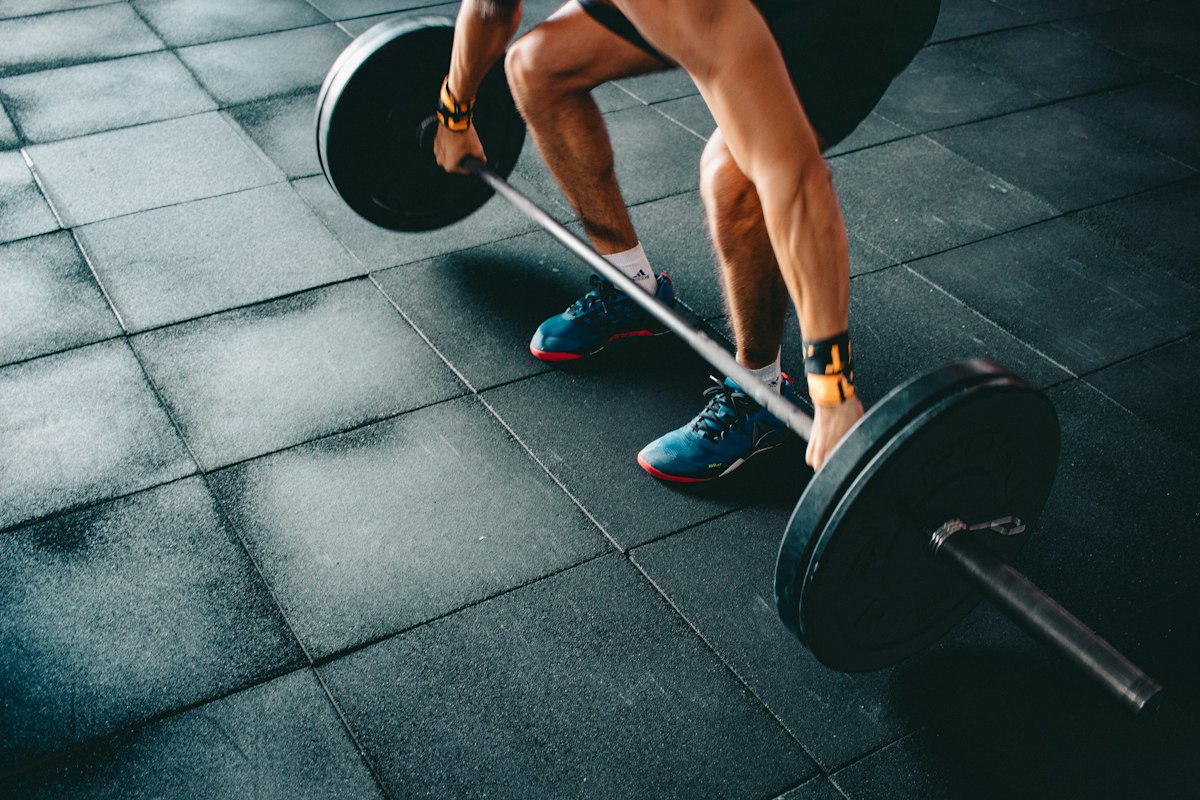
Yes4All Vinyl Coated Cast Iron Kettlebell
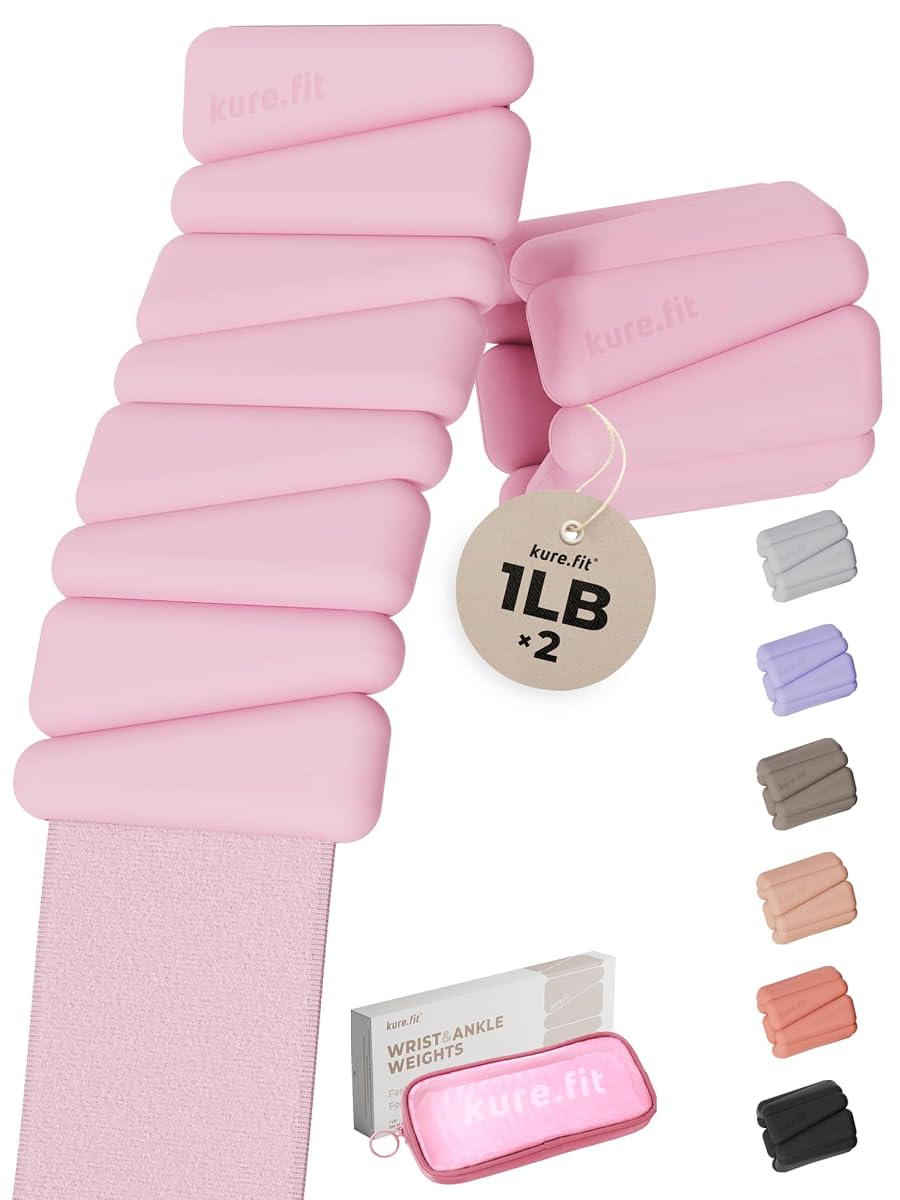
Bala Bangles (1lb pair)
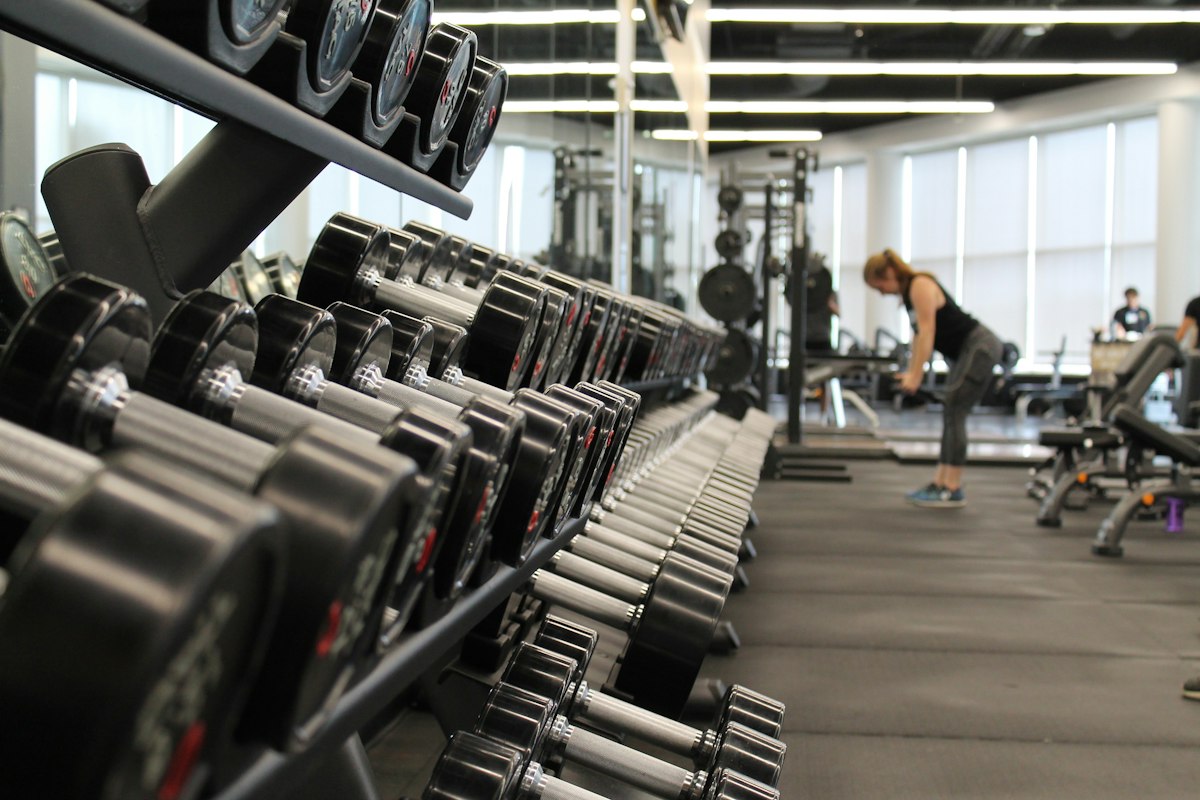
BowFlex SelectTech 552 Adjustable Dumbbells
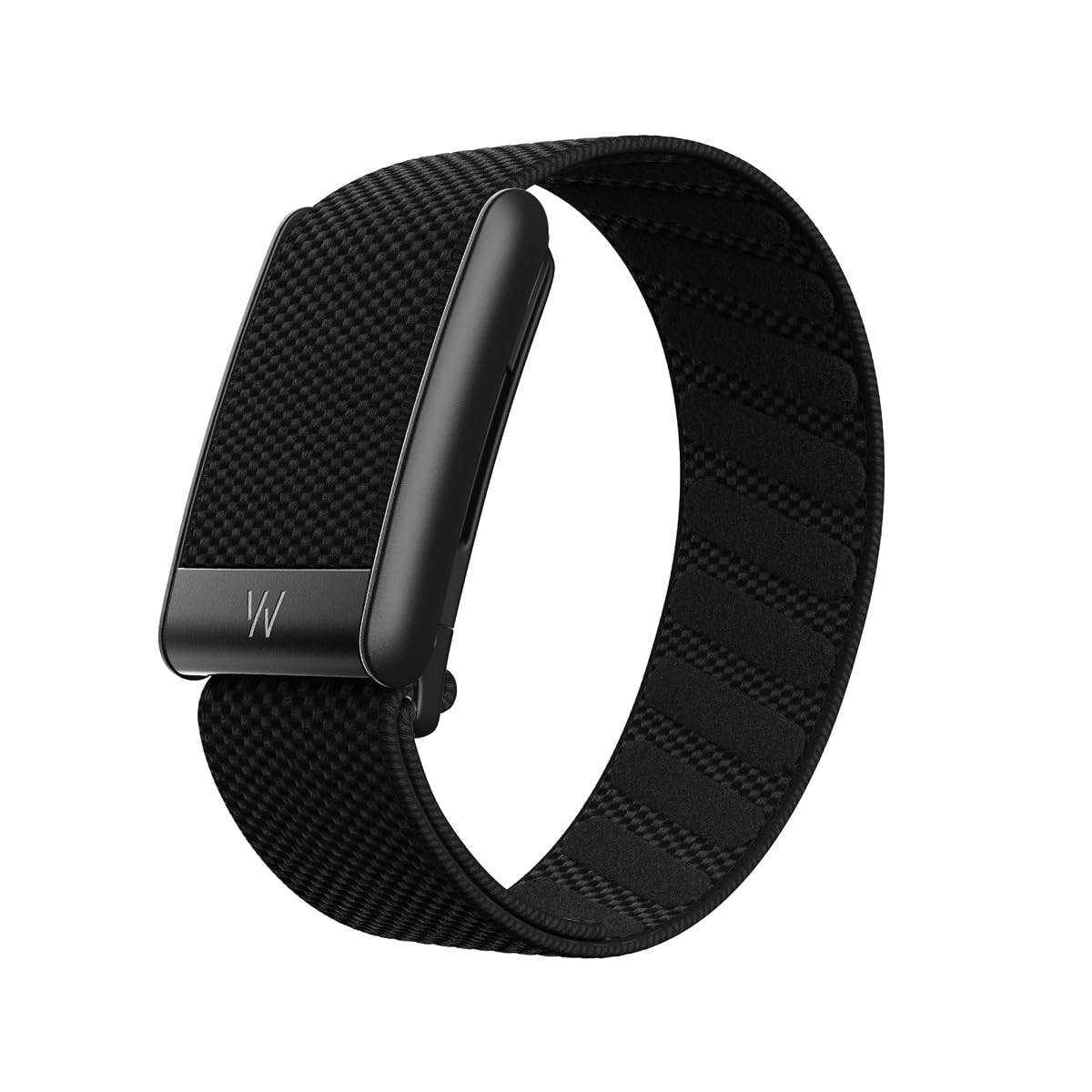
WHOOP 5.0 Activity Tracker
beingvela is reader-supported. Some links are affiliate links, we may earn a small commission at no extra cost to you.
Prices are snapshots and change over time.
Shop the Everyday Essentials
The tools and gear we actually use, curated and tested by our editors.
Browse essentialsGo deeper with a guide
Foundations of Strength
The beginner-friendly framework to build lifelong strength with just three movements, twice a week.
Read the guide GuideThe Sleep Reset
A 14-day protocol to fix your circadian rhythm, deepen your sleep, and help you wake up rested without relying on supplements.
Read the guide GuideEat for Energy
A practical nutrition guide to stabilise blood sugar, sharpen focus, and eat well without counting anything.
Read the guideKeep reading
 Physical Health
Why You Should Lift Heavy Things After 40 (Especially If You've Never Lifted)
The single most protective intervention against age-related decline isn't cardio, isn't a supplement, and isn't yoga. It's picking up heavy things twice a week. Here's why, and how to start if you've never touched a barbell.
 Longevity
VO2 Max: The Single Best Predictor of How Long You'll Live
A 2018 JAMA study found that low cardiorespiratory fitness carries more mortality risk than smoking, diabetes, and heart disease combined. Here's what VO2 max actually is, why it matters more than any other biomarker, and the training that reliably moves the number.
 Longevity
Five Blood Markers Worth Tracking (and What to Ignore)
Your annual GP panel probably measures the wrong things. Here are the five markers with the strongest evidence for long-term health, and exactly what to ask for at your next appointment.