
The Kettlebell Swing: One Exercise That Does Most of the Job
If you had 15 minutes a day and one piece of equipment, the kettlebell swing would deliver more strength, conditioning, and posture than any other single movement. Here's how to do it right.

If a stranger stopped me on the street and said 'I have 15 minutes a day and one piece of equipment, tell me what to do', the answer would be the kettlebell swing, done well, three or four times a week. Nothing else in the movement world hits as many systems at once for as little time invested. It builds the entire posterior chain (glutes, hamstrings, back), trains the heart at a serious cardiovascular pace, teaches you to hinge without wrecking your spine, and improves grip strength as a bonus. It requires one piece of equipment that costs less than a month of gym membership and takes up the floor space of a shoe.
The catch, and it's a real one, is that most people who try kettlebell swings do them as squats. They squat down, stand up, and let their arms lift the bell. That version isn't dangerous, it's just useless. It trains nothing the movement is actually designed to train, and it teaches the wrong pattern into your body. The good news is that once you learn what a swing actually is, you have it forever. This post is how to get there in a week, plus what to do with the skill once you've got it.
What the swing actually is
A kettlebell swing is a hip hinge under load, with the arms as passive pendulums. The power comes from a violent snap of the hips and glutes at the top of the movement, which throws the bell forward. The bell then falls back down between the legs on its own, and you absorb the force with a hip hinge, not a squat. The arms do not lift the weight at any point. If your shoulders are burning after a set, you swung it. If your glutes and hamstrings are burning, you did it right.
The distinction matters because the swing is one of the only exercises that trains the posterior chain to produce ballistic power. Squats train slow force. Deadlifts train slow force. Swings train the ability to fire the largest muscles in your body fast, which is the same neuromuscular quality that predicts falls in older adults, hamstring pulls in athletes, and back pain in everyone. The literature is unusually clear on this: hip-hinge power is one of the best predictors of long-term function, and the swing is the most accessible way to build it.
The pattern in five sentences
Stand with feet shoulder-width apart, bell on the floor about a foot in front of you. Hinge at the hips (butt back, chest tall, knees slightly bent, not squatting) and grip the handle with both hands. Hike the bell back between your legs like you're snapping a football, keeping your forearms glued to your inner thighs. Explosively drive the hips forward, glutes squeezed hard, standing tall, arms passive, and let the bell float up to about chest height. Let gravity bring it back, catch the weight in another hip hinge, and immediately fire into the next rep.
At the top of the swing, you should look like you're standing at attention: knees locked, glutes squeezed, spine neutral, ribs down. The bell floats, you don't lift it, it doesn't come above your head, and there's no muscular effort in the arms. If any of those things aren't true, the fix is at the hips, not the arms. The number one cue that fixes 80% of bad swings: 'stand up hard and fast.' If you stand up violently enough, the bell has nowhere to go but forward.
The one-week learning progression
- Day 1-2: Practice the hip hinge with no weight. Hands on a wall behind you, push your butt back until your hands touch, chest stays tall. 3 sets of 10.
- Day 3: Add the bell. Deadlift it off the floor 10 times, focusing on the hinge. No swinging yet.
- Day 4: Practice hiking the bell back through the legs and standing up hard, but only do one rep at a time. Set it down, reset, repeat. 3 sets of 5.
- Day 5-6: Continuous swings. 5 sets of 10, resting 60 seconds between. Focus on rhythm, not intensity.
- Day 7: 5 sets of 15, resting 45 seconds. You have the pattern.
The programs that work
Once you have the pattern, the programming is mercifully simple. The two protocols below cover 95% of what most non-athletes need.
The Simple & Sinister protocol (Pavel Tsatsouline): 100 swings in as few sets as possible, done 4-5 days per week. Beginners might do 10 sets of 10; a trained person will work down to 5 sets of 20. The goal is to shave rest time over months, not to add weight quickly. This one protocol, done for a year, will produce a stronger and more conditioned body than most 4-day gym splits.
The daily minimum: 3 sets of 15 swings, done in about 4 minutes. Every day, or every other day. That's it. It's not sexy and it's not maximal, but the aggregate effect across 6 months, better posture, no more nagging low-back stiffness, visibly stronger hamstrings and glutes, a resting heart rate that's dropped 5 bpm, makes a strong case that most people are overcomplicating fitness.
The mistakes worth avoiding
The three form errors that cause 90% of kettlebell-related injuries, and the fixes for each. First: squatting the swing. If your knees travel forward and your torso stays upright as the bell drops, you're squatting. Fix: sit your butt back toward the wall behind you, keep shins vertical, let the torso lean forward. The bell should go between your legs, not in front of them.
Second: rounding the low back at the bottom. This usually happens when the bell drops too low and you chase it down with your spine. Fix: catch the bell higher, keeping your torso at roughly 45 degrees, forearms in contact with your thighs. The bell should never drop below the knees at the bottom of a two-hand swing.
Third: hyperextending the low back at the top. This is the compensation of people who don't squeeze their glutes hard enough at lockout, so their spine leans back to finish the movement. Fix: squeeze glutes and abs simultaneously at the top, ribs pulled down, spine stacked. You should feel like you're bracing for a punch to the stomach, not saluting the sky.
The one-line version
Learn the hip hinge. Buy one bell. Do 100 swings a day, four days a week, for a year. Refuse to add weight until the form is silent. That single, boring, unglamorous protocol will out-produce almost anything else you could do in the same time, including gym memberships you don't use and workouts you can't fit in. The exercise industry is built on complexity because complexity sells. The body responds best to a small number of things done well, for a long time. The swing is one of those things.
Tools referenced in this piece
Yes4All Vinyl Coated Cast Iron Kettlebell
BowFlex SelectTech 552 Adjustable Dumbbells
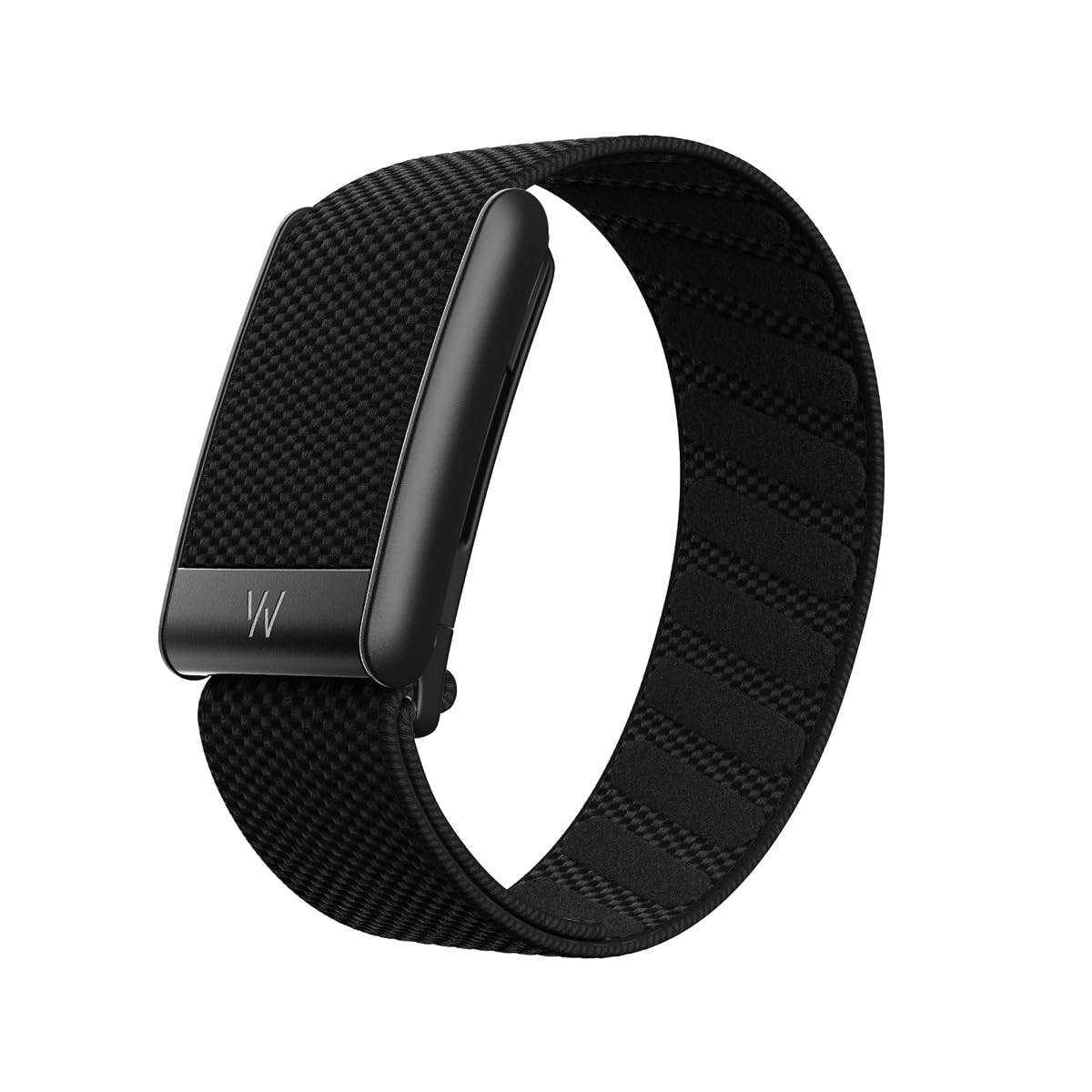
WHOOP 5.0 Activity Tracker
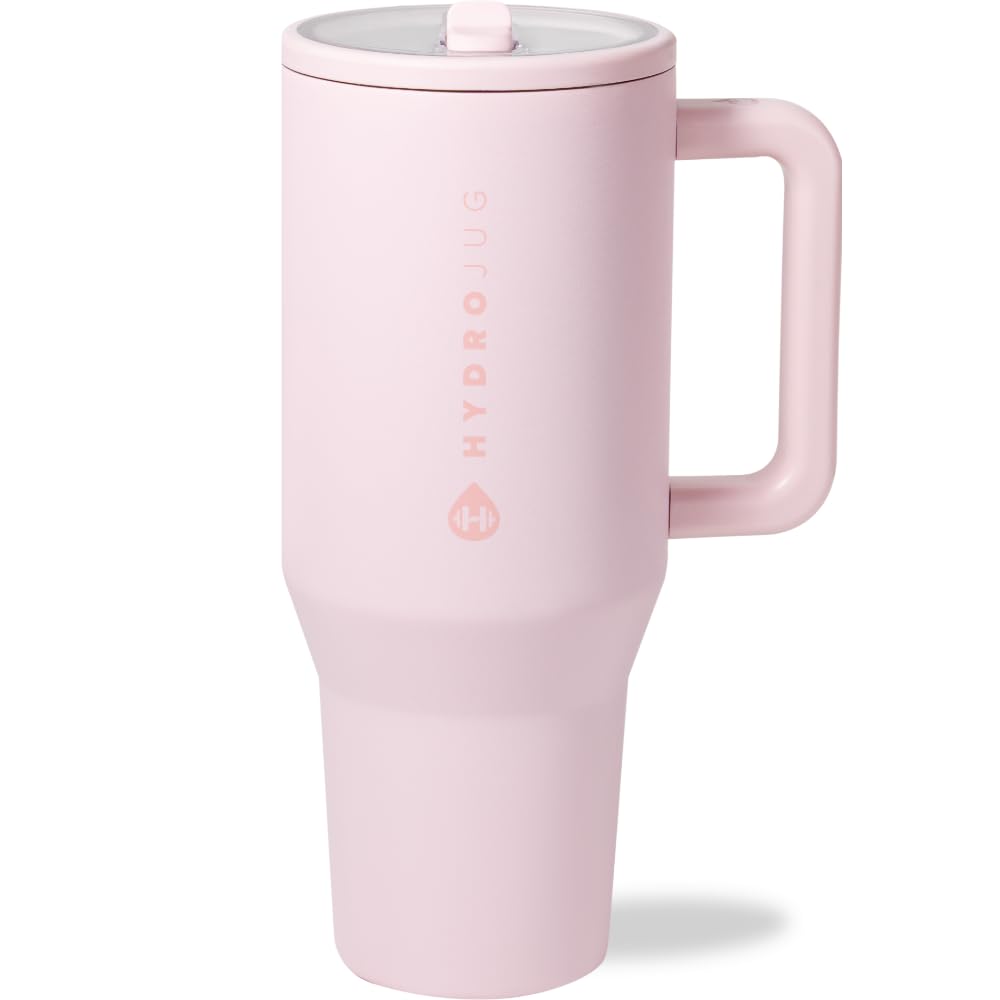
Hydro Flask 32oz Wide Mouth
beingvela is reader-supported. Some links are affiliate links, we may earn a small commission at no extra cost to you.
Prices are snapshots and change over time.
Shop the Everyday Essentials
The tools and gear we actually use, curated and tested by our editors.
Browse essentialsGo deeper with a guide
Foundations of Strength
The beginner-friendly framework to build lifelong strength with just three movements, twice a week.
Read the guide GuideThe Sleep Reset
A 14-day protocol to fix your circadian rhythm, deepen your sleep, and help you wake up rested without relying on supplements.
Read the guide GuideEat for Energy
A practical nutrition guide to stabilise blood sugar, sharpen focus, and eat well without counting anything.
Read the guideKeep reading
 Fitness
The Deload Week: Why More Isn't Always Better
The counterintuitive training principle that separates lifters who progress for decades from lifters who plateau in 18 months. Here's what a deload week actually is, when to take one, and why skipping them costs more than doing them.
 Recovery
Post-Workout Recovery: The 20-Minute Window That Actually Matters
The 'anabolic window' isn't 30 minutes wide, and it isn't about protein powder. Here's what the last decade of recovery research actually says, and what to do in the hour after training.
 Fitness
Why Walking Is the Most Underrated Longevity Habit
Forget 10,000 steps. The science on walking is more nuanced, and the benefits are more absurd, than most people realize.