
The Deload Week: Why More Isn't Always Better
The counterintuitive training principle that separates lifters who progress for decades from lifters who plateau in 18 months. Here's what a deload week actually is, when to take one, and why skipping them costs more than doing them.

There's a specific pattern that shows up in almost every long-term training journal I've ever reviewed: rapid progress for four to six weeks, a stall, a push through the stall with more volume or intensity, another stall that's harder to break, and then either an injury or a slow slide into what people call a plateau but is actually accumulated fatigue disguised as a plateau. The escape hatch from that pattern is called a deload week, and it's the single most consistently ignored piece of programming in amateur training.
A deload is a planned week of intentionally reduced training load, usually 40-60% of your normal volume, sometimes with reduced intensity, held for seven to ten days, designed to let accumulated fatigue dissipate faster than fitness does, so you return to hard training with a net-positive rebound in performance. It sounds like backwards logic, and for the first year of serious training, you don't need one. But the moment you've stopped seeing weekly progress on your main lifts, the deload is usually the answer, and 'just try harder' is almost never it.
The fitness-fatigue model, in plain language
Every workout creates two effects that decay at different rates: a fitness effect that raises your long-term capacity, and a fatigue effect that suppresses your short-term performance. When you train, both go up. When you rest, both come down, but fatigue comes down faster than fitness. Your day-to-day performance is roughly fitness minus fatigue, which means the number you can lift on any given day says nothing about how strong you actually are unless you've controlled for how much fatigue is currently masking your fitness.
This is why deloads work. During a normal training week, fatigue accumulates faster than it dissipates, and by week four or five of hard training, your fatigue is high enough to hide 10-15% of your actual strength. A deload week drops fatigue to near-zero while fitness only decays slightly, and you return to full training with a much higher net expression of performance than the week before the deload. It looks like magic. It's actually just math.
"You don't get stronger from training. You get stronger from recovering from training. If the recovery half of the equation is broken, adding more training just digs you deeper into the hole."
, Mike Israetel, sport scientist
When you actually need one
You don't need a deload every four weeks like a calendar reminder. You need one when accumulated fatigue starts showing up in the signals below. The signals are boring, subjective, and almost always correct if you're honest about noticing them. The mistake most people make is waiting until they get injured or until motivation collapses, both of which are late signs that a deload was needed three weeks ago.
- Weights that felt easy two weeks ago feel unusually heavy
- Sleep quality has dropped despite the same routine
- Resting heart rate is 5+ beats above your normal baseline
- You're dreading workouts you used to enjoy
- HRV has trended down for 10+ days despite normal sleep and life
- Nagging joint or tendon aches that don't have a clear cause
- You've been in structured hard training for 4-8 weeks without a break
If two or more of those are present, you're already in the zone where a deload will do more for your progress than another hard week. If four or more are present, you're probably already in mild overreaching territory and the deload should be aggressive, cut volume by 60%, drop intensity to 70% of normal, and treat it as a full recovery block, not a light version of normal training.
How to actually run a deload
There are three common versions of a deload, in order from most to least aggressive. Version one, the total deload: skip the gym entirely for 5-7 days. This is the correct choice if you're symptomatic across most of the signals above, or if you've been in a hard block for more than 8 weeks. It's the version most people are afraid of, because it feels like losing fitness, but a week of complete rest costs you almost nothing in strength (you'll be about 2% detrained) and buys you a full nervous-system reset.
Version two, the volume deload: keep training frequency the same, cut sets by 50%, keep the weight the same. This is the default choice for most experienced lifters and works well when you're accumulating fatigue but haven't yet crashed. Your body still gets the movement pattern practice and neural stimulus at heavy weights, but the total workload drops enough that fatigue clears while fitness is preserved.
Version three, the intensity deload: keep sets and reps the same, drop the weight to 60-70% of normal. This is useful when your joints and tendons are complaining but your energy is fine, it preserves the psychological rhythm of training without hammering the connective tissue that accumulates damage more slowly than muscle does. Most powerlifters use some combination of two and three across their yearly programming.
The psychology is harder than the programming
The technical version of a deload is trivially simple: do less for a week. The psychological version is where most people fail. If you've built a strong training identity around never missing sessions, a planned week of less training feels like a moral failure, and the temptation to sneak in 'just one hard session' during the deload is enormous. Do not. A deload with a snuck-in hard session is not a deload, it's just a slightly lighter version of the block you were already in, and you'll get the same accumulated-fatigue result.
The reframe that helps: the deload is not a break from training. It is part of training. The week you don't lift heavy is when the adaptations from the last four weeks actually consolidate. A programmed rest week is more like the fourth movement of a symphony than a pause between songs, it's structurally part of the piece, and removing it makes the whole composition worse. If you were coached by a professional, they would program it in without asking you. Program it in yourself because you're your own coach.
Deloads for non-lifters
This principle isn't specific to weight training. Endurance athletes have used deload weeks for a century, they call them 'cutback weeks' and the standard pattern is three weeks of building volume followed by one week at 60-70% of the previous week. Runners who ignore the cutback week are the runners who get stress fractures at mile 40 of their training block. Cyclists who ignore it are the cyclists who show up flat to the race they've been building toward for four months.
Even yoga and calisthenics practices benefit from the same principle, though the deload looks different: a week of gentler variations, more emphasis on breathing and mobility, less time under maximum tension. The specific movement doesn't matter, the underlying physiology of fatigue accumulation and dissipation is the same across every form of training, and the same rhythm of hard periods followed by rest periods produces better long-term outcomes than uniform effort every week.
The compound effect over years
The lifters who make continuous progress into their 40s, 50s, and 60s share almost nothing in terms of programs, exercises, or philosophies. What they share is that they take planned deloads. The lifters who peaked at 26, plateaued at 28, and quit at 32 usually share the opposite, a stubborn commitment to never taking a step back, which produced a fast rise, an early ceiling, and a burnout that ended a promising trajectory. The math of long-term progress is almost entirely about not accumulating so much fatigue that your body forces the rest that you refused to schedule.
One deload per 4-8 weeks of hard training, taken before you need it rather than after you crash, is the single highest-leverage change most intermediate lifters can make. It looks like doing less. It's actually the mechanism that lets you do more, for longer, without the injury or motivational collapse that ends most training careers before they were finished.
The one-line version
Train hard for 4-8 weeks, then take a deload week at 40-60% of normal volume. Watch the signals, heavy weights, poor sleep, elevated resting heart rate, downward HRV, joint aches, and pull the deload forward when they show up. Program the rest in rather than let your body force it on you. Do this for 20 years and you'll still be lifting; skip it and you'll be a former lifter with a lot of old injuries.
Tools referenced in this piece
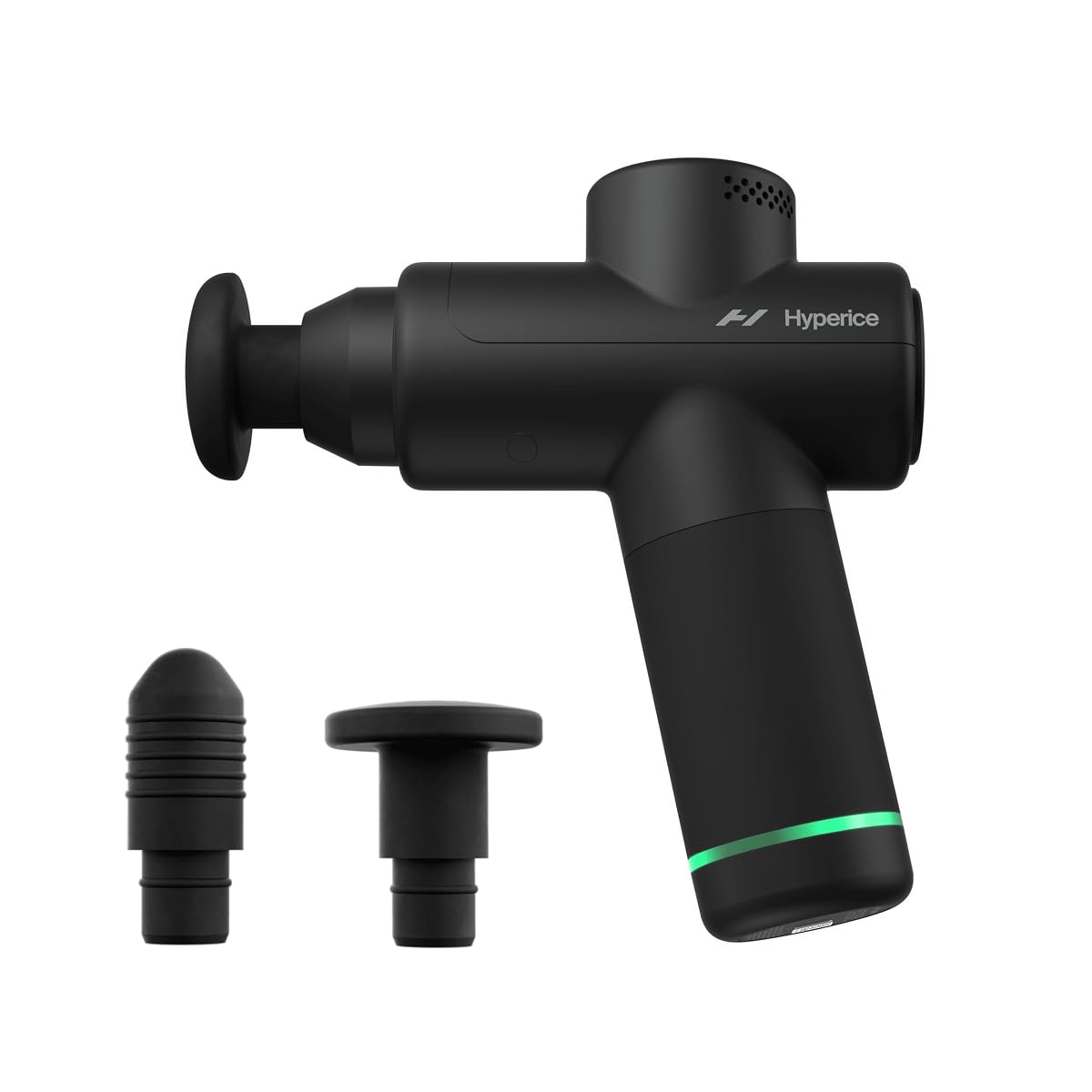
Theragun Mini (3rd Gen)
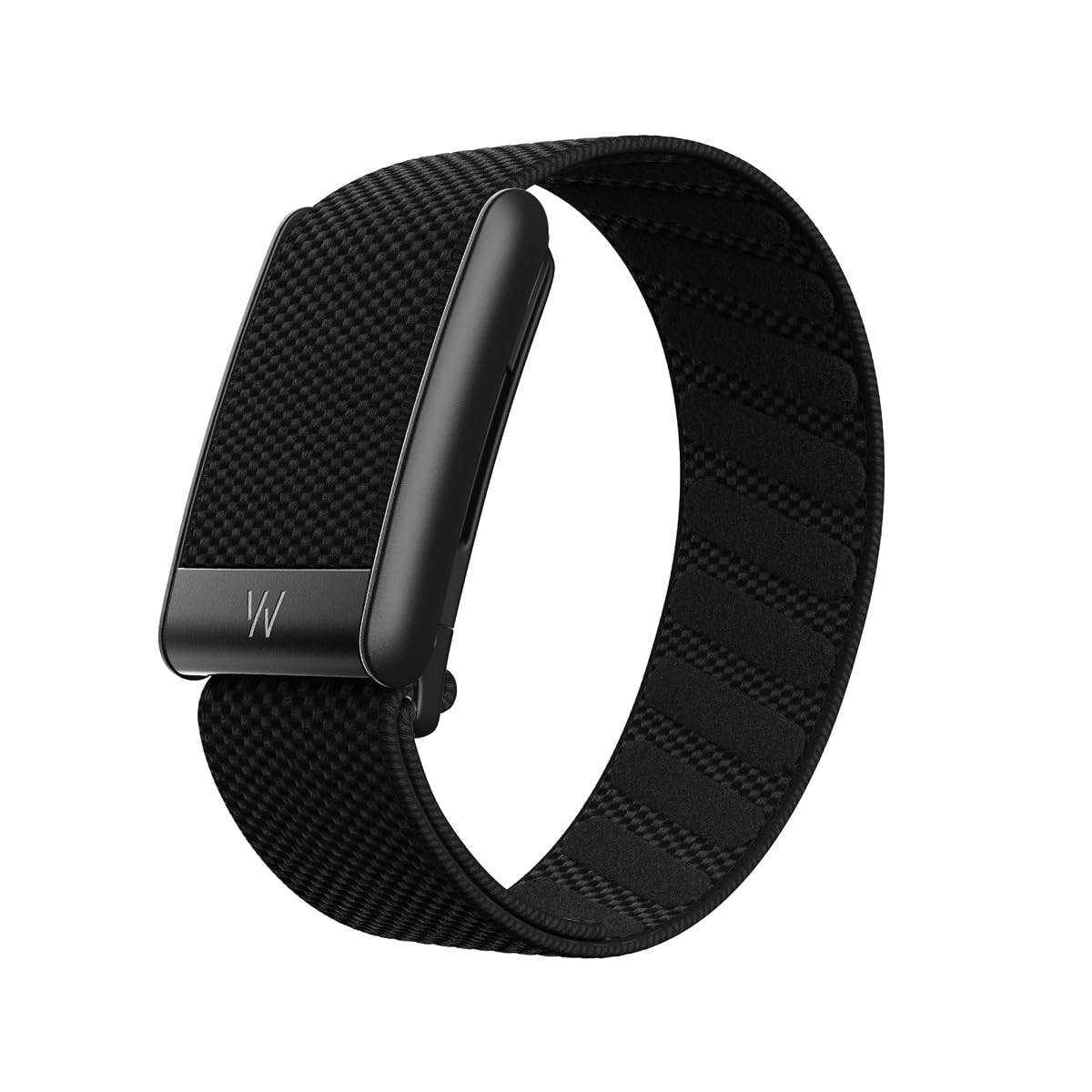
WHOOP 5.0 Activity Tracker

Oura Ring Gen 3

Yes4All Vinyl Coated Cast Iron Kettlebell
beingvela is reader-supported. Some links are affiliate links, we may earn a small commission at no extra cost to you.
Prices are snapshots and change over time.
Shop the Everyday Essentials
The tools and gear we actually use, curated and tested by our editors.
Browse essentialsGo deeper with a guide
Foundations of Strength
The beginner-friendly framework to build lifelong strength with just three movements, twice a week.
Read the guide GuideThe Sleep Reset
A 14-day protocol to fix your circadian rhythm, deepen your sleep, and help you wake up rested without relying on supplements.
Read the guide GuideEat for Energy
A practical nutrition guide to stabilise blood sugar, sharpen focus, and eat well without counting anything.
Read the guideKeep reading
 Fitness
The Kettlebell Swing: One Exercise That Does Most of the Job
If you had 15 minutes a day and one piece of equipment, the kettlebell swing would deliver more strength, conditioning, and posture than any other single movement. Here's how to do it right.
 Mental Health
Regulate Your Nervous System: A Field Guide to Calm
Stress isn't a personality trait, it's a physiological state you can measure and change. Here's how to actually shift out of it, on the days you need it most.
LongevityGrip Strength: The Overlooked Longevity Marker Nobody Trains
Grip strength predicts all-cause mortality better than blood pressure, and most people are quietly losing it every year without noticing. Here's why it matters and how to train it in 10 minutes a week.