
Regulate Your Nervous System: A Field Guide to Calm
Stress isn't a personality trait, it's a physiological state you can measure and change. Here's how to actually shift out of it, on the days you need it most.
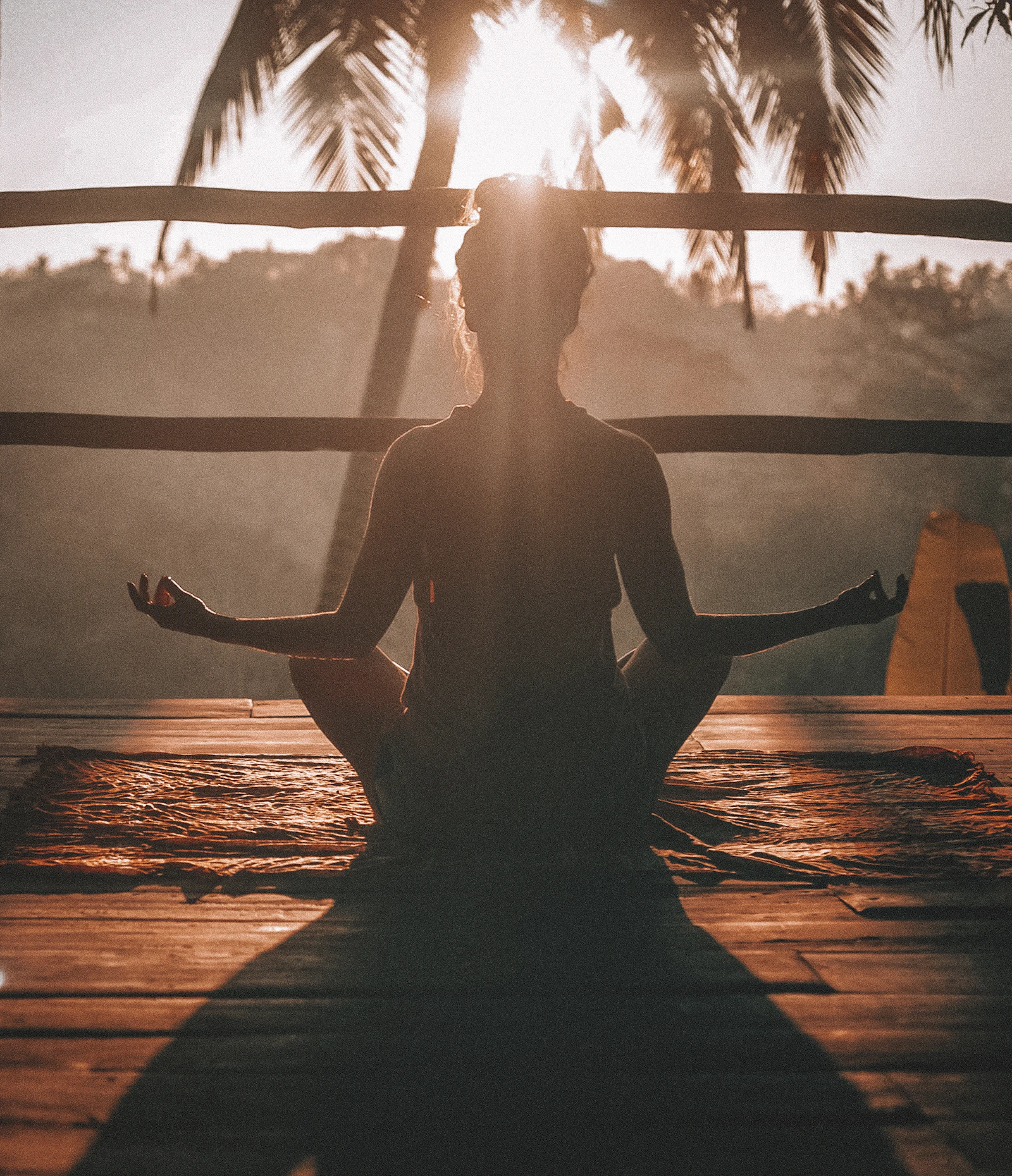
You know the feeling. Shoulders creeping toward your ears by 10 a.m. A jaw you didn't realize was clenched until you tried to yawn. A low, humming urgency behind everything you do, even the things you like. That's not a mood, it's a nervous system stuck in the wrong gear. And the reason 'just relax' has never worked for anyone is that relaxation isn't a decision. It's a physiological output of signals your body is quietly reading all day: your breath, your posture, your sleep, the light hitting your eyes, the last time you moved, the last time you ate.
The good news is that the same system that gets stuck is remarkably responsive to small, specific inputs. You don't need a two-week silent retreat or a $400 breathwork course. You need to know which levers actually move the needle, which ones just feel good on Instagram, and how to string a few of them into a routine you'll still be doing in three months.
What 'nervous system regulation' actually means
Your autonomic nervous system runs the background operations of being alive: heart rate, breathing, digestion, hormone release, immune activity. It has two dominant modes. The sympathetic branch mobilizes you, heart up, pupils wide, digestion parked, for anything that reads as challenge or threat. The parasympathetic branch, which the vagus nerve carries most of the traffic for, restores you: heart down, digestion on, tissue repair, deeper sleep. A well-regulated nervous system swings between the two fluidly, matching the demand of the moment.
A dysregulated one gets stuck, usually stuck up. It reads a work email the way a healthy system would read a bear. Your resting heart rate creeps higher. Your heart rate variability (HRV), the millisecond-to-millisecond flex between beats, drops. Sleep gets shallow. Digestion stalls. The world doesn't have to change for you to feel worse in it. The system is just running in the wrong gear, and it has been for weeks.
"You cannot think your way out of a stuck nervous system. You have to signal your way out, with breath, movement, light, and cold."
The three levers that actually work
There are dozens of practices marketed as nervous-system reset tools. Three do the heavy lifting in the research, and everything else is a rounding error on top of them: breath, cold, and low-grade rhythmic movement. Learn the mechanics of these three, keep a couple of the softer tools in your back pocket, and you have most of what a $2,000 wellness program is selling.
Lever 1: The physiological sigh
The single most tested breathing pattern for acute stress isn't box breathing or Wim Hof. It's the physiological sigh: two nasal inhales stacked on top of each other, followed by a long, slow exhale through the mouth. You already do this spontaneously, it's what your body cues when you cry, or when a sleeping toddler settles. Doing it deliberately, for 60 to 90 seconds, drops heart rate and self-reported stress within minutes in controlled studies.
The mechanism is boring. The second short inhale reopens collapsed alveoli in your lungs. The long exhale offloads a slug of carbon dioxide, which slows the heart via the vagus nerve. That's it. No belief required, no app, no subscription. Two big-then-bigger nose inhales, one long mouth exhale. Repeat five times. It works in a meeting, in a car, in a bathroom stall three minutes before a hard conversation.
- Nose inhale until your lungs feel about 80% full
- A second, shorter nose inhale to top them off
- Long, slow mouth exhale, twice as long as either inhale
- Repeat 4-6 times, or until your shoulders drop on their own
Lever 2: Deliberate cold
Cold exposure has been over-marketed and under-explained. The version that matters for stress regulation isn't the 45-minute ice bath, it's a 30-to-90-second cold rinse at the end of your normal shower, done consistently. Cold water on the face and neck directly stimulates the vagus nerve via the mammalian dive reflex, dropping heart rate and shifting you toward parasympathetic dominance.
Chronic, small doses train the response. People who cold-rinse most days show blunted cortisol responses to unrelated stressors weeks later, their systems learn that big signals aren't automatically dangerous. If ice baths aren't your thing (and they don't need to be), a short cold face wash first thing in the morning captures most of the benefit. Fill a bowl with cold water, dunk your face for 15 seconds, come up, breathe. It costs nothing and it's stunningly effective for cutting morning anxiety.
Lever 3: Rhythmic movement, at the right intensity
Hard workouts are stressors, useful ones, but stressors. The nervous-system reset dose of movement is different: low-grade, rhythmic, sustained. A 30-to-45-minute walk. Easy cycling. Slow swimming. Anything you can nose-breathe through while holding a conversation. This is the intensity that pulls you into a parasympathetic state during the session, not just after.
The magic ingredient is duration, not effort. Ten minutes of easy walking calms an acute spike; thirty minutes rewires the baseline for the rest of the day. A daily walk after lunch is one of the most effective anti-anxiety interventions ever measured, and the only side effect is better digestion. If you can take it outside in daylight, you're stacking a second regulator on top: your circadian system loves midday sun almost as much as morning sun.
The support cast: sleep, light, food, and one hard rule about your phone
You can't out-breathe a broken sleep schedule. Nervous-system regulation is downstream of the same fundamentals we cover everywhere on this site: 10 minutes of morning sunlight to anchor the circadian clock, a protein-forward breakfast within 90 minutes of waking, a hard cutoff on caffeine by early afternoon, and a bedroom that's dark, cool, and quiet enough to sleep in. Fix those and the acute tools work three times better. Skip them and no amount of box breathing will save you.
The phone rule: no screens for the first 30 minutes after waking, and no scrolling in bed. Not because phones are evil, but because a nervous system that starts its day inhaling other people's urgency spends the rest of the day trying to catch up. Give your baseline a chance to establish itself before you outsource it to an algorithm.
The 10-minute daily reset
Stack the tools that work into a repeatable, unglamorous routine. Ten minutes, once a day, is enough to shift the baseline in about two weeks.
- 2 minutes: five physiological sighs, eyes closed
- 3 minutes: slow nasal breathing, exhale twice as long as the inhale
- 5 minutes: walk outside, no phone, no earbuds
Do it at the same time every day. After lunch is the sweet spot for most people, it doubles as an antidote to the afternoon slump and gets you outside during a natural circadian dip. Evening works too, especially if you notice the anxious rumination that shows up between dinner and bed. Morning is fine if it's the only time you can protect, but it's the least critical slot: your cortisol is already doing most of the work at that hour.
What to do in an acute moment
The routine builds baseline resilience. For the acute spikes, the email that lands wrong, the phone call you didn't want, the wave of panic at 2 a.m., you need something you can do in 90 seconds without leaving your chair. This is the whole protocol: five physiological sighs. That's it. Not five minutes of them. Five reps. If you still feel wired after that, stand up and walk to a different room for two minutes. The change of physical context matters more than any additional breathing technique.
For 2 a.m. wake-ups specifically: do not check the time, do not check your phone. Roll onto your back, do six physiological sighs, then focus on making your exhale slightly longer than your inhale until you drift. If you're still awake after 20 minutes, get out of bed, sit in a dim room with a book (paper, not backlit) until you feel sleepy again, then return. This is the standard sleep-medicine protocol and it works far better than lying in bed negotiating with yourself.
The stuff you can safely skip
You don't need a sound bath. You don't need weighted blankets, adaptogenic mushroom blends, red-light panels aimed at your torso, or a $79 vagus nerve stimulator. Some of these are pleasant. None of them outperform a daily walk, a couple of minutes of slow breathing, and a bedroom you can actually sleep in. If you love your sound bath, keep it. Just don't confuse a nice ritual with the load-bearing walls of the system.
The other thing to skip is diagnosing yourself with a condition based on TikTok content. A nervous system that runs hot for a season isn't 'trauma stored in the body' or a permanent identity, it's a system responding to inputs. Change the inputs, watch what happens, and reserve the bigger labels for what remains after 8-12 weeks of consistent regulation work. Most of what people call chronic anxiety is a chronic input problem in disguise.
Give it two weeks
Consistency beats intensity here more than almost anywhere else in the health stack. Two weeks of a 10-minute daily reset, a walk after lunch, and a phone-free first 30 minutes of the day will show you how much of your baseline stress was environmental rather than internal. Most people are stunned by how much moves. The version of you that emerges isn't calmer because you got better at ignoring stress, it's calmer because your body finally has permission to spend some time in the other gear.
That's the whole game. Not a mindset shift. Not a personality overhaul. A nervous system that remembers how to downshift, practiced often enough that it becomes the default again. Everything else in your life gets easier from that base.
Tools referenced in this piece
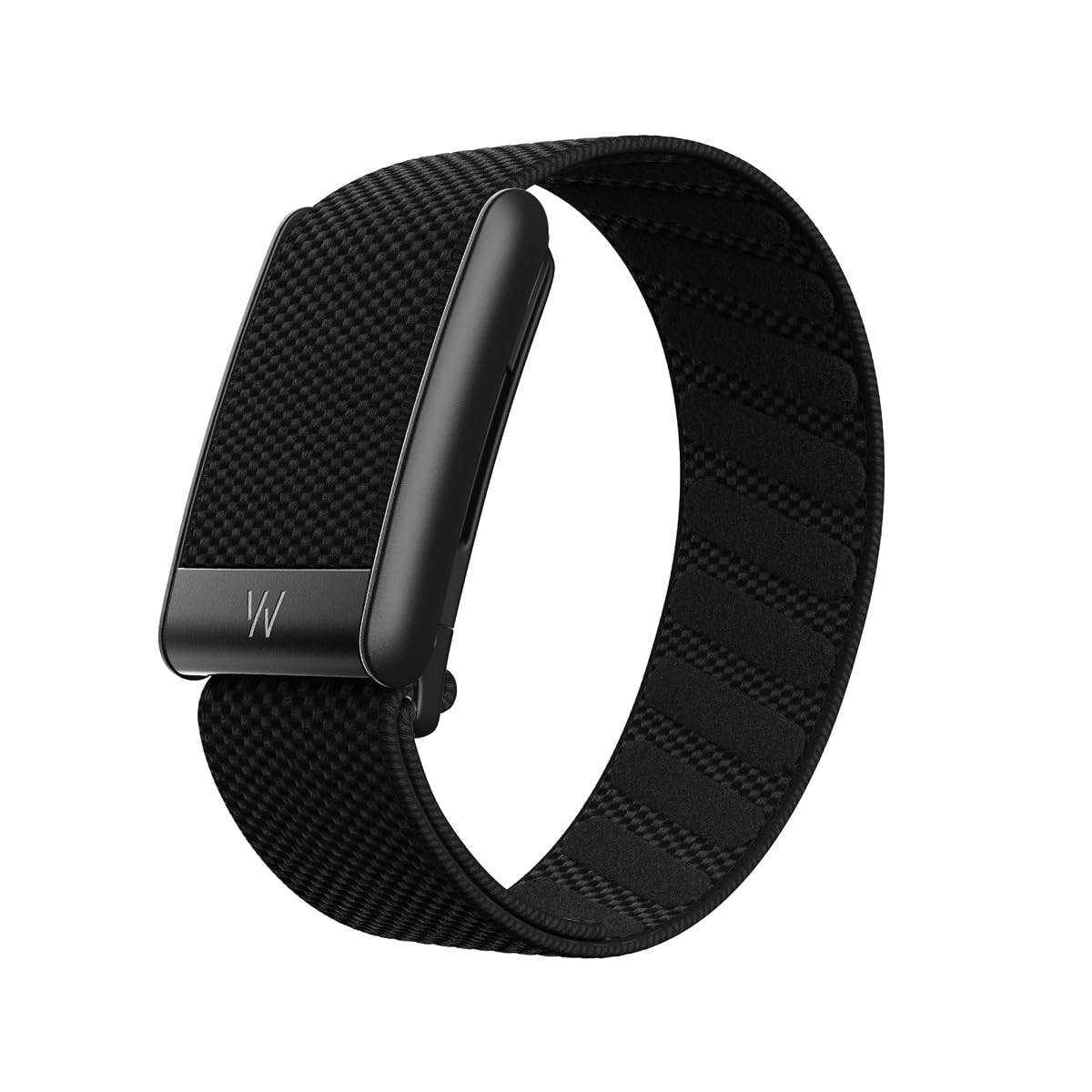
WHOOP 5.0 Activity Tracker
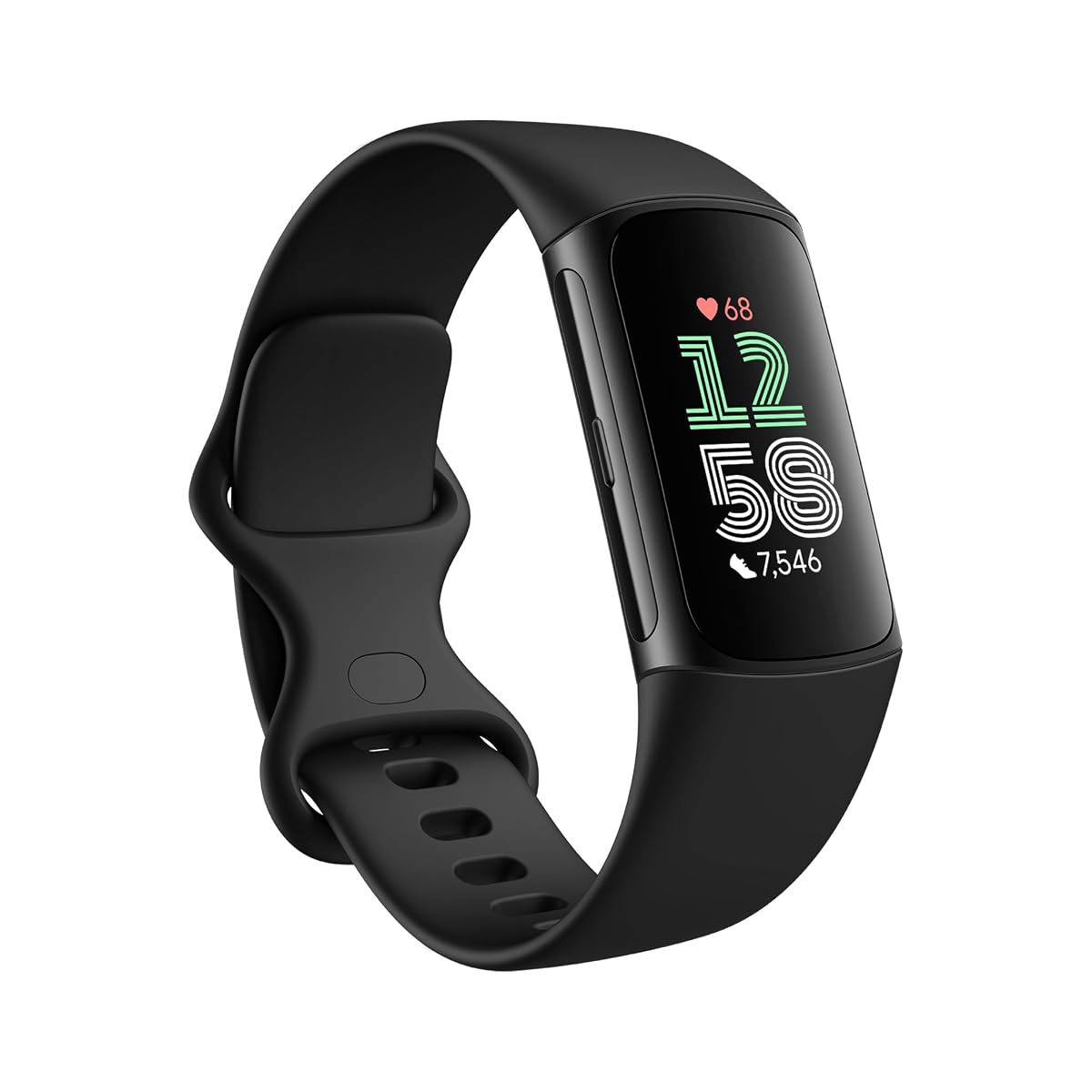
Oura Ring Gen 3
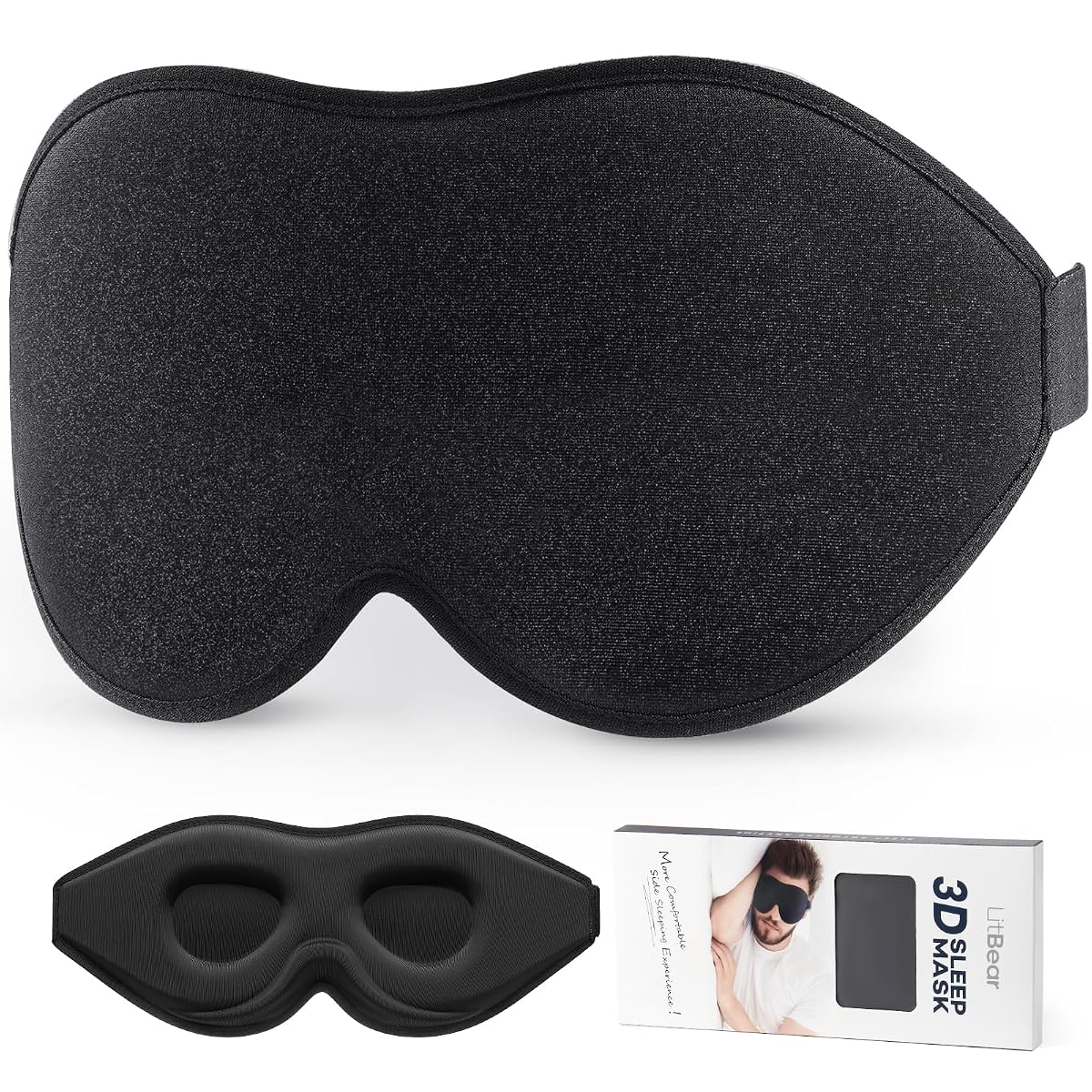
Manta Original Sleep Mask
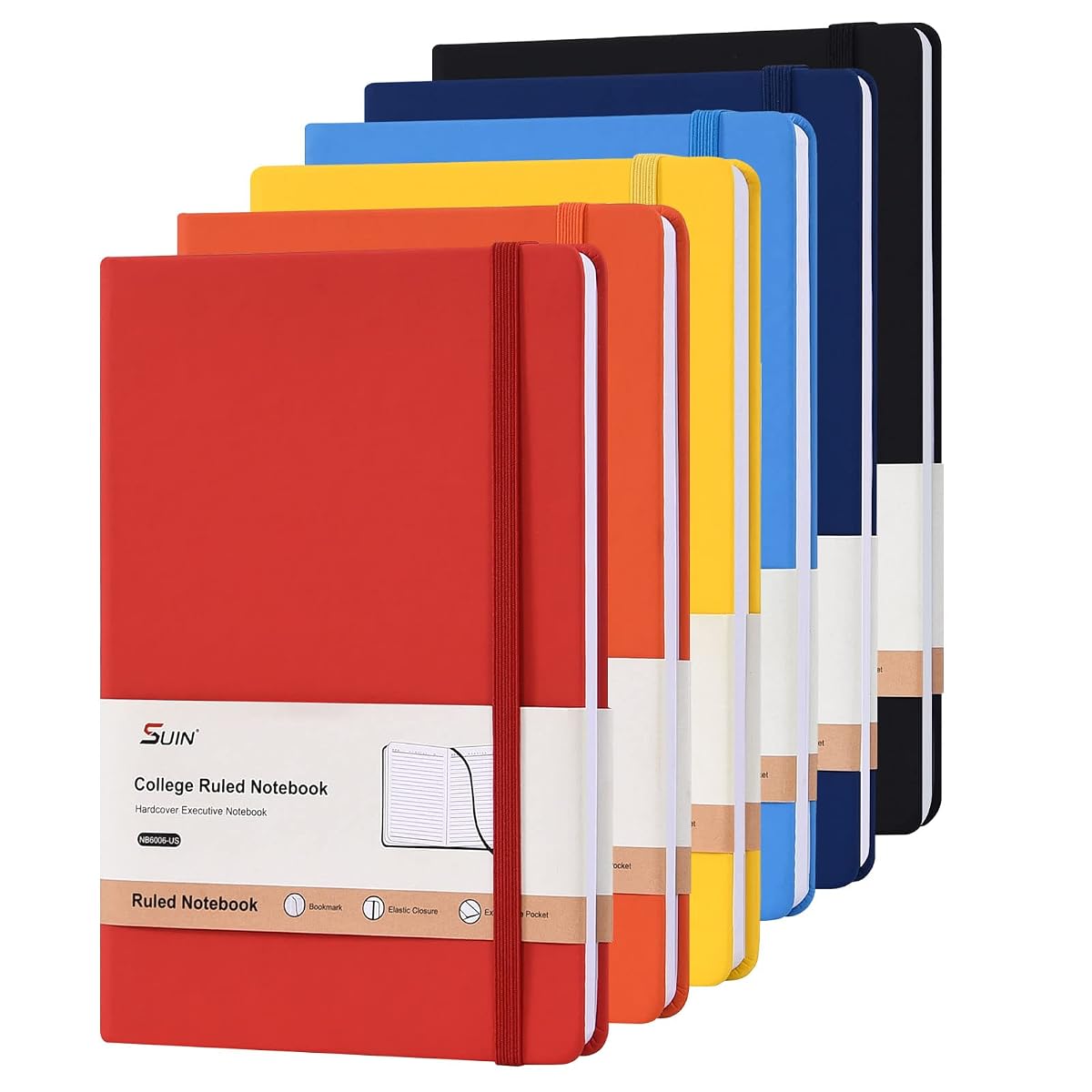
The 5-Minute Journal
beingvela is reader-supported. Some links are affiliate links, we may earn a small commission at no extra cost to you.
Prices are snapshots and change over time.
Shop the Everyday Essentials
The tools and gear we actually use, curated and tested by our editors.
Browse essentialsGo deeper with a guide
The Sleep Reset
A 14-day protocol to fix your circadian rhythm, deepen your sleep, and help you wake up rested without relying on supplements.
Read the guide GuideFoundations of Strength
The beginner-friendly framework to build lifelong strength with just three movements, twice a week.
Read the guide GuideEat for Energy
A practical nutrition guide to stabilise blood sugar, sharpen focus, and eat well without counting anything.
Read the guideKeep reading
 Mental Health
The Anxiety-Sleep Loop: How to Break the Cycle in Two Weeks
Poor sleep amplifies anxiety, and anxiety wrecks sleep. Here's the neuroscience behind the feedback loop and the specific protocol that interrupts it.
 Mental Health
Burnout Isn't a Vacation Problem: The Real Recovery Protocol
A week off in the sun fixes fatigue. It doesn't fix burnout. Here's how to tell the difference, and the 6-week deload that actually works when you're past the tired stage.
 Recovery
HRV: What It Actually Measures and How to Move the Number
Heart rate variability is the most misunderstood metric in wearable fitness. Here's what the number really means, what moves it, and how to use it without becoming a slave to a morning notification.