
The Anxiety-Sleep Loop: How to Break the Cycle in Two Weeks
Poor sleep amplifies anxiety, and anxiety wrecks sleep. Here's the neuroscience behind the feedback loop and the specific protocol that interrupts it.
There is a specific kind of exhaustion that anxious sleepers know well. It's the fog that arrives at 2 p.m. and doesn't lift, the flatness at dinner, the small dread that starts building around 9 p.m. because you know what's coming: another hour of lying in the dark with a brain that refuses to switch off. In the morning, you're more anxious than you were the day before, which guarantees the next night will be worse. That's not a personality trait. It's a physiological loop, and it has a name.
Researchers who study the intersection of sleep and mood call it the anxiety-insomnia cycle. It's one of the most well-documented feedback loops in behavioral neuroscience, and it's also one of the most treatable, but only if you interrupt it at the right point. Trying to force yourself to sleep never works, because effort is the opposite of what sleep requires. Trying to force yourself to stop being anxious never works either, for the same reason. What does work is a specific set of environmental and behavioral changes that gradually convince the nervous system it's safe to power down. That's what this protocol is.
The physiology of the loop
When you don't sleep enough, the amygdala, the brain's threat-detection center, becomes hyperreactive. Neuroimaging studies show a sleep-deprived amygdala responds to neutral faces the same way a rested amygdala responds to genuinely threatening ones. At the same time, the prefrontal cortex, which normally puts the brakes on emotional reactivity, loses connectivity with the amygdala. You're running on threat detection with no editor. That's what it feels like to be anxious after a bad night: the world hasn't gotten scarier, your filter has gotten thinner.
The next night, that heightened baseline shows up as trouble falling asleep. Your sympathetic nervous system, the fight-or-flight branch, is elevated at bedtime, resting heart rate is 5-10 bpm higher than usual, and your body reads that state as 'not safe to sleep deeply yet.' You get less deep sleep and less REM, which are the exact stages that regulate emotional memory and consolidate the day's stress. In the morning, your amygdala is even more reactive. The loop tightens by 5-10% each night. After a week, most people are functioning on a nervous system that's stuck in the top gear it can't get out of.
"You cannot think your way out of an anxious body. You have to move the body into a state where sleep becomes possible, and the mind will follow."
, Dr. Andrew Huberman
Why sleep hygiene alone usually fails anxious sleepers
Standard sleep hygiene, no caffeine after noon, cool dark room, consistent bedtime, is necessary but not sufficient for people trapped in the loop. It gives your body a chance to sleep. It doesn't convince a hypervigilant nervous system to take that chance. If you've tried the standard advice and still lie awake at 1 a.m., the issue isn't that you need to try harder. It's that the intervention needs to happen at the nervous-system level, not the calendar level.
Cognitive Behavioral Therapy for Insomnia (CBT-I) is the gold-standard first-line treatment for chronic insomnia, and it works precisely because it targets the loop instead of the symptom. The elements you can apply at home, without a therapist, are the ones that follow. They will not feel dramatic in the first three nights. By night 10, most people notice they're falling asleep before they've realized they were trying to.
Step 1: Get out of bed when you can't sleep
This is the single most counterintuitive rule in insomnia treatment, and it works better than almost anything else. If you're in bed and awake for more than 20 minutes, get up. Go to a dimly lit room. Read a boring paper book. Do not check your phone, do not turn on bright lights, do not eat. When you feel sleepy, really sleepy, not just tired, go back to bed. If you're still awake 20 minutes later, get up again.
The mechanism is classical conditioning. When you lie in bed anxious for hours night after night, your brain learns that the bed is the place where you feel anxious. It becomes an anxiety cue. Getting up breaks the association. Within a week or two, your bed goes back to being a sleep cue, and falling asleep starts happening on its own. This is the step everyone hates and everyone who does it consistently reports as the turning point.
Step 2: Anchor the wake time, not the bedtime
Most people trying to fix their sleep obsess over what time they go to bed. Reverse the emphasis. Pick a wake time and hold it, same time, every day, weekends included, regardless of how badly you slept the night before. The circadian system is anchored by morning light and wake time, not by bedtime. When wake time drifts, everything drifts. When it holds, sleep pressure builds cleanly through the day and delivers itself at the same time each night without you having to negotiate.
Step 3: Build a real wind-down, not a screen wind-down
'I unwind by watching Netflix' is the phrase of someone whose sleep is quietly getting worse. Screens in the last hour before bed do two things: they deliver blue-spectrum light that suppresses melatonin, and, more importantly, they deliver a steady stream of unresolved emotional content that keeps your brain in problem-solving mode. Even a 'relaxing' show is 45 minutes of characters your brain is tracking. The nervous system doesn't distinguish fictional stress from real stress well enough to actually calm down.
The wind-down that works looks boring on paper. Sixty minutes before bed, screens off. Lights dimmed to warm and low. Something with your hands, cooking a simple thing, tidying a small space, a shower, stretching on the floor. Something with your mind that has a natural ending, a short chapter, a crossword, a page in a journal. The point isn't the activity; it's the signal you're sending your body: nothing more is being demanded of you tonight. It takes about 10 days for a nervous system to actually believe this signal. Give it that long before deciding it doesn't work.
Step 4: Down-regulate the body in the last 20 minutes
By the time you're in bed, the game is largely over, either your nervous system is already calming or it isn't. The last 20 minutes is where a small physical intervention makes a large difference. The single most reliable one: extended exhales. Breathe in through the nose for 4 counts, out through the nose for 8. Do it for 5-10 minutes. The exhale is what activates the parasympathetic nervous system; the longer you make it relative to the inhale, the harder you're pushing that lever.
A second reliable move: cool the room. Core body temperature has to drop about 1°C for sleep onset to happen cleanly, and a room above 20°C fights that process. 17-19°C is the sweet spot for most people. If your partner runs warm and you run cold, a lighter blanket on your side plus socks solves it without a thermostat war. The socks part sounds strange until you realize warm feet promote heat loss through the extremities, which is exactly what your body is trying to do.
Step 5: Un-catastrophize the bad nights
The final piece is mental, not physical. Every anxious sleeper has the same story running in their head at 2 a.m.: 'I'm going to be wrecked tomorrow. This is going to ruin my week. Why can't I just sleep like a normal person.' That story is more damaging than the missed sleep itself, because it's what turns one bad night into a week of bad nights. Your body can handle a bad night. Your relationship with sleep can't handle the narrative that follows one.
The reframe is boring but true. One bad night is a data point, not a trend. You've functioned on less sleep before and will again. Tomorrow will be slightly harder than usual and you will get through it. Tonight is just tonight. That's the entire mental technique, refusing to let a single night become a story about who you are as a sleeper. People who recover from chronic insomnia almost always describe this shift as the one that made everything else stick.
When to bring in professional help
This protocol reliably helps mild-to-moderate anxiety-driven insomnia. It does not replace treatment for a diagnosed anxiety disorder, PTSD, major depression, or clinical insomnia lasting more than three months despite consistent effort. If you've been in the loop for a season or longer, the fastest path out is a course of CBT-I with a trained therapist, usually 6-8 sessions, often covered by insurance, and with better long-term outcomes than sleep medication. Medication has a place in acute crises; behavior change is what holds the gains.
The one-line version
Anchor the wake time. Get out of bed when you can't sleep. Kill screens an hour before bed. Dump the open loops onto paper. Long exhales in a cool dark room. Refuse to tell yourself a story about a single bad night. Two weeks in, the loop breaks, not because you tried harder, but because you stopped fighting a nervous system that was waiting for a reason to stand down.
Tools referenced in this piece
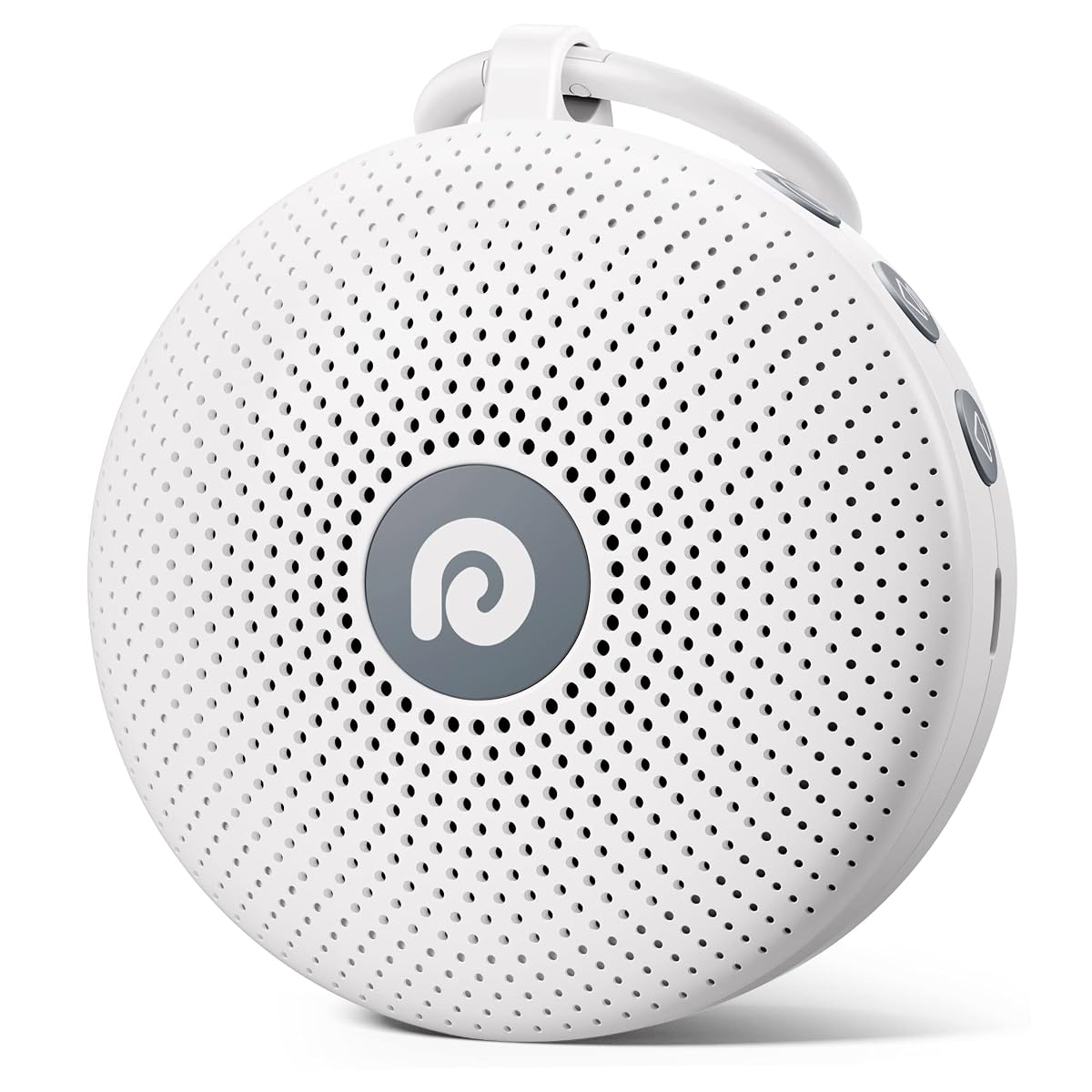
Hatch Restore 3 Sunrise Alarm
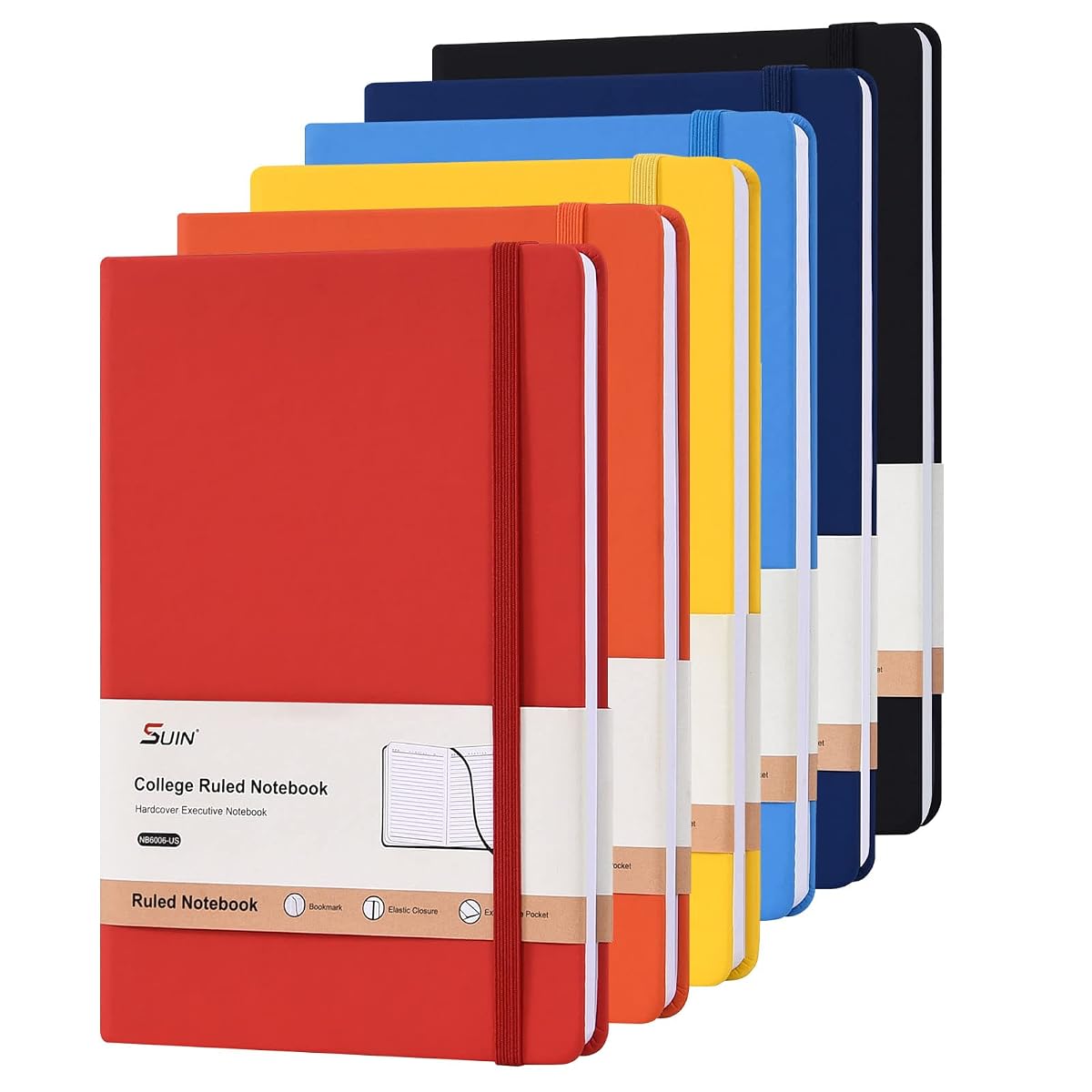
The 5-Minute Journal
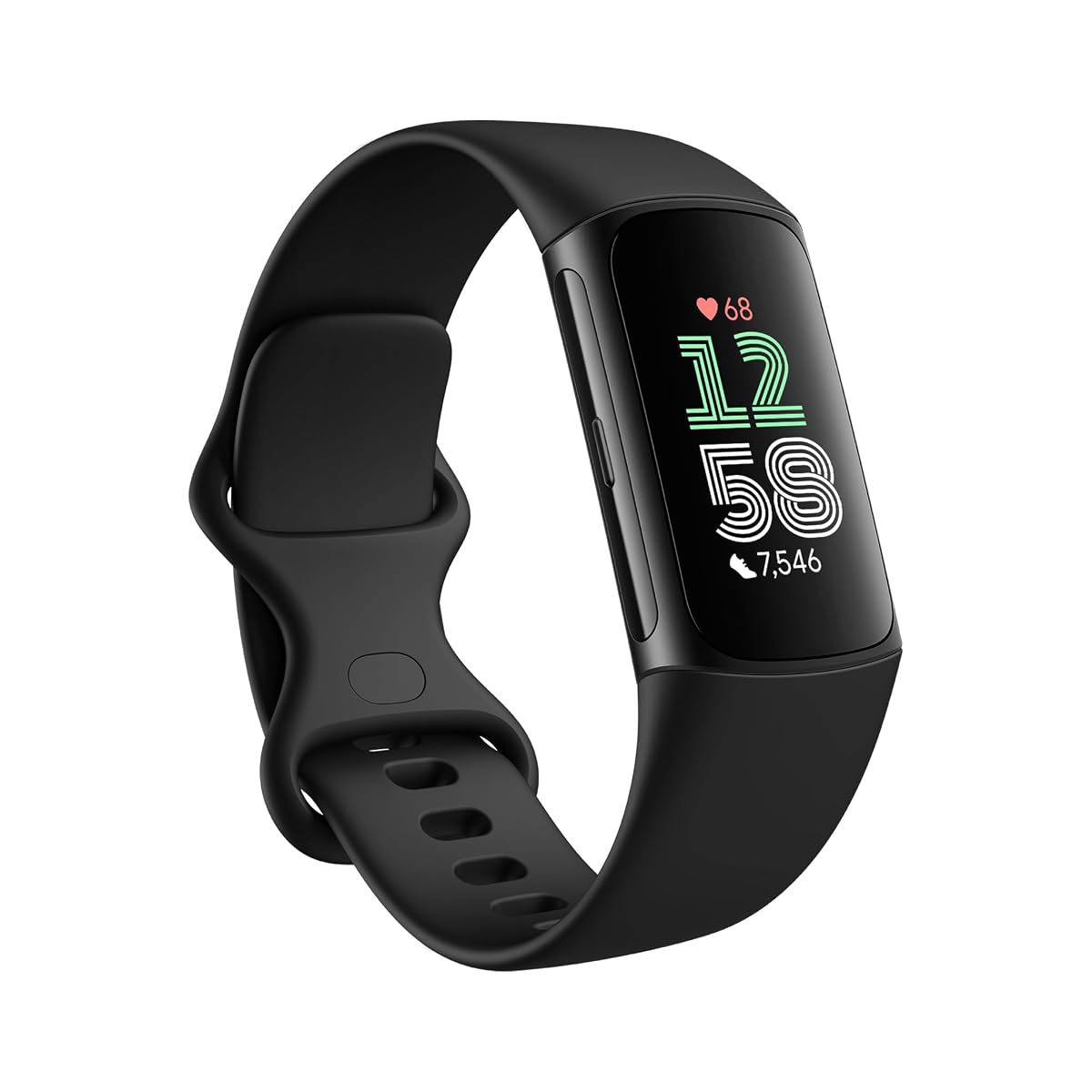
Oura Ring Gen 3
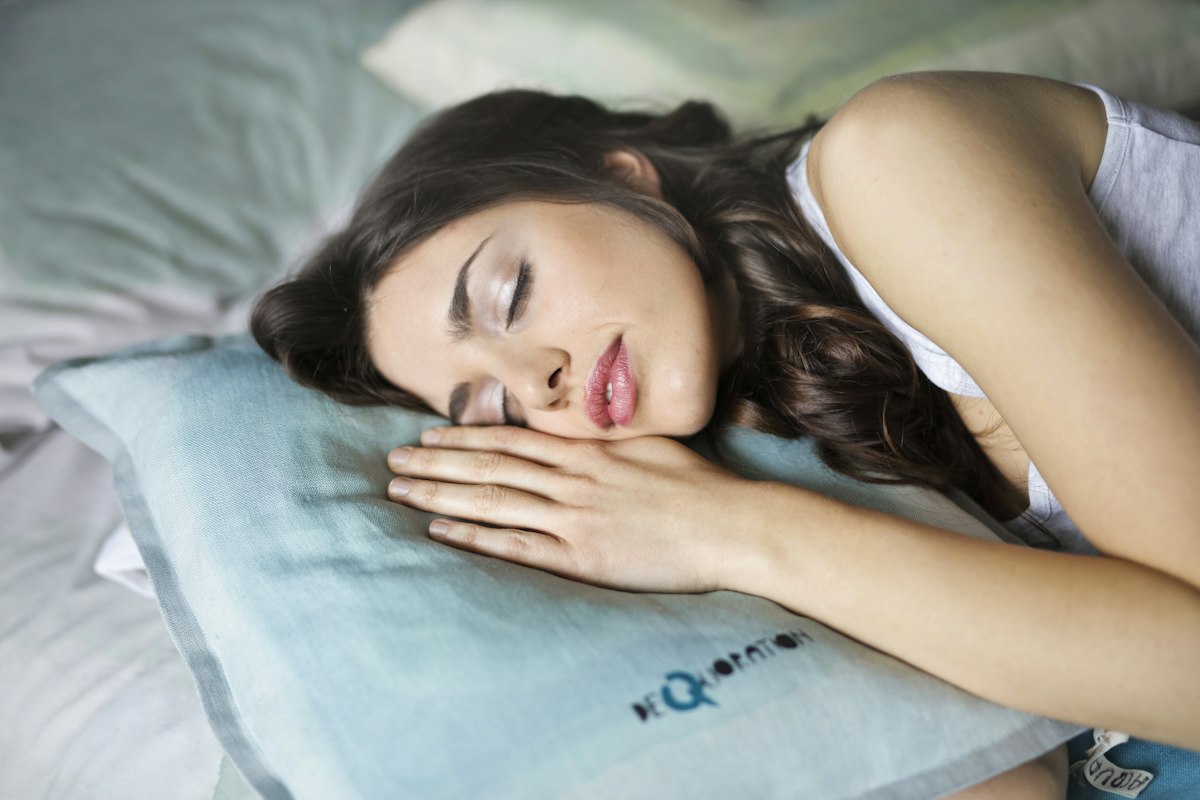
Hostage Tape, Mouth Tape for Better Sleep
beingvela is reader-supported. Some links are affiliate links, we may earn a small commission at no extra cost to you.
Prices are snapshots and change over time.
Shop the Everyday Essentials
The tools and gear we actually use, curated and tested by our editors.
Browse essentialsGo deeper with a guide
The Sleep Reset
A 14-day protocol to fix your circadian rhythm, deepen your sleep, and help you wake up rested without relying on supplements.
Read the guide GuideFoundations of Strength
The beginner-friendly framework to build lifelong strength with just three movements, twice a week.
Read the guide GuideEat for Energy
A practical nutrition guide to stabilise blood sugar, sharpen focus, and eat well without counting anything.
Read the guideKeep reading
 Mental Health
Regulate Your Nervous System: A Field Guide to Calm
Stress isn't a personality trait, it's a physiological state you can measure and change. Here's how to actually shift out of it, on the days you need it most.
 Recovery
HRV: What It Actually Measures and How to Move the Number
Heart rate variability is the most misunderstood metric in wearable fitness. Here's what the number really means, what moves it, and how to use it without becoming a slave to a morning notification.
 Mental Health
Meditation for People Who Hate Sitting Still
If the standard meditation advice, sit cross-legged, empty your mind, breathe, has never worked for you, you're not broken. Here's a practical approach for restless brains that actually builds the underlying skill.