
HRV: What It Actually Measures and How to Move the Number
Heart rate variability is the most misunderstood metric in wearable fitness. Here's what the number really means, what moves it, and how to use it without becoming a slave to a morning notification.

If you own a modern fitness tracker, you've probably had the experience of waking up feeling fine and being greeted by a red HRV score, or waking up feeling wrecked and being told your recovery is a 98. The metric that was supposed to give you a scientific window into your nervous system often feels like it's making decisions based on a dice roll. It isn't, HRV is one of the more rigorously validated physiological markers we have, but the way it's presented on a phone screen creates almost as much confusion as it clears up.
This piece is the version of the HRV explainer I wish existed when I bought my first tracker: what the number actually measures at the physiological level, what factors legitimately move it, what factors are noise, and how to build a decision rule that uses HRV without letting it govern your mood. If you've ever changed a workout plan because of a morning notification, this is for you.
What the number actually is
Heart rate variability is the millisecond-level variation between consecutive heartbeats. Even at a steady resting heart rate of 60 beats per minute, your heart isn't beating exactly once every 1000 milliseconds, the gap between beats varies. Sometimes it's 950 ms, sometimes 1070 ms, sometimes 990 ms. That variation is HRV, and it's a direct readout of the balance between your sympathetic ('fight or flight') and parasympathetic ('rest and digest') nervous systems.
A well-recovered nervous system produces more variation between beats because the parasympathetic branch, the vagus nerve, specifically, is actively modulating heart rate on a moment-by-moment basis. A stressed, tired, sick, or under-recovered nervous system suppresses that modulation, and the beats become more evenly spaced. Higher HRV = more parasympathetic tone = more recovery capacity available. Lower HRV = more sympathetic dominance = your body is currently allocating resources to stress response instead of restoration.
Why your number is not comparable to anyone else's
This is the single most important thing to understand about HRV, and every social media graphic gets it wrong. HRV is highly individual. A perfectly healthy 30-year-old might have a baseline HRV of 45. A perfectly healthy 30-year-old sitting next to her might have a baseline of 110. Neither is 'better recovered' than the other, they simply have different nervous system architectures, and comparing absolute numbers between people is like comparing shoe sizes to predict who's a better runner.
The only meaningful comparison is you against your own rolling baseline. If your average HRV over the last 60 days is 62, then a morning score of 45 is a meaningful drop and a score of 78 is a meaningful spike. If a friend with a baseline of 100 tells you their HRV was 62 this morning and you feel smug, you have both misunderstood the metric. The trend within your own data is the entire signal; the absolute number is almost meaningless in isolation.
"HRV is a personal weather report, not a shared temperature. Trends inside your own data mean everything. Comparisons to other people mean nothing."
, Marco Altini, HRV researcher
What legitimately moves HRV
The interventions with the largest and most reproducible effects on HRV are the ones that also predict long-term health: sleep quality and quantity, aerobic fitness (particularly Zone 2 base work), respiratory training (slow nasal breathing, box breathing), and time-restricted eating windows that stop food at least three hours before bed. Alcohol is the single biggest negative lever, even one drink can suppress HRV for 24-48 hours, and the effect is dose-dependent enough that you can watch it play out on a chart if you're consistent about tracking.
The interventions that have smaller but real effects: cold exposure (raises HRV over weeks if done consistently), meditation and vagal breathing exercises, chronic hydration status, and consistent wake times. The interventions that people obsess over but which move the needle less than they think: specific supplements, meal timing changes of less than an hour, and the exact time you went to bed if you slept your usual duration.
- Sleep 7-9 hours consistently, the single largest lever, and it stacks with itself over weeks
- Build a Zone 2 aerobic base, 150+ minutes a week of easy cardio raises baseline HRV over months
- Practice slow nasal breathing, 5 minutes of 6-second inhales and 6-second exhales spikes HRV within days
- Cap alcohol at 0-2 drinks per week if you actually care about the number
- Stop eating 3 hours before bed, food digestion is a low-grade sympathetic activation
- Get 10 minutes of morning sunlight, anchors your circadian rhythm, which underpins HRV
The measurement matters as much as the number
HRV is a fragile measurement. Small changes in when, how, and in what position you take it can move the number by 20% without any physiological change. The two reliable options: an overnight-average measurement from a wearable that samples continuously (Oura, Whoop, Apple Watch's overnight metric), or a controlled morning reading taken in the same position, at the same time, for the same duration, using the same device. Anything else is measuring noise on top of noise.
The overnight approach is what most people should use, because it averages hundreds of measurement windows across a full sleep cycle and removes the day-to-day variability caused by whether you happened to stand up too fast that morning. It's also the version that lines up best with the research literature, which is mostly built on overnight or 5-minute controlled measurements, not on spot checks taken after two cups of coffee and a stressful email.
How to actually use the number
Here's the framework that keeps HRV useful without letting it run your life. Look at the 7-day rolling average, not the daily number. A single low day is noise. Three low days in a row is a signal, usually pointing at sleep debt, an infection ramping up, or accumulated training stress. A downward trend over two weeks is a clear message that whatever you're doing to your body isn't sustainable, and adjusting sleep, alcohol, or training volume before the trend becomes a full crash is the whole value proposition of the metric.
Use the daily number as a rough tiebreaker, not a command. If you were planning a hard workout and your HRV is down but you feel fine, do a modified version, same movement, less intensity or volume. If your HRV is up and you were planning to rest, still rest; the goal isn't to spend every recovered day cashing in the recovery. If your HRV is down and you feel bad, that's the day to actually rest, or to substitute a walk for the planned session. The signal that means the most is when subjective feel and objective HRV agree.
The mental trap to avoid
The biggest failure mode of HRV tracking isn't the data, it's the psychology. There's a well-documented pattern where people who track HRV daily become emotionally reactive to the number, and the anxiety of a bad score itself suppresses HRV further, creating a self-reinforcing spiral where the tool designed to reduce stress is now the source of it. If you've noticed yourself feeling anxious to check the app in the morning, that's the signal to stop looking daily and switch to a weekly review.
The metric works best as a background check-in, not a foreground judge. Look at it once a week. Notice trends. Adjust behavior when you see a clear pattern. Ignore the day-to-day noise. This is how the research on HRV was designed to be used, as a longitudinal window into recovery capacity over weeks and months, and it's the only way it stays useful long enough to matter.
The one-line version
HRV measures how well your nervous system is currently balancing rest and stress. Higher relative to your own baseline is better. Ignore other people's numbers. Sleep, aerobic base, breathing practice, and less alcohol are the four levers that actually move it. Look at your weekly average, not your morning score, and use it as a background check-in rather than a daily judge.
Tools referenced in this piece
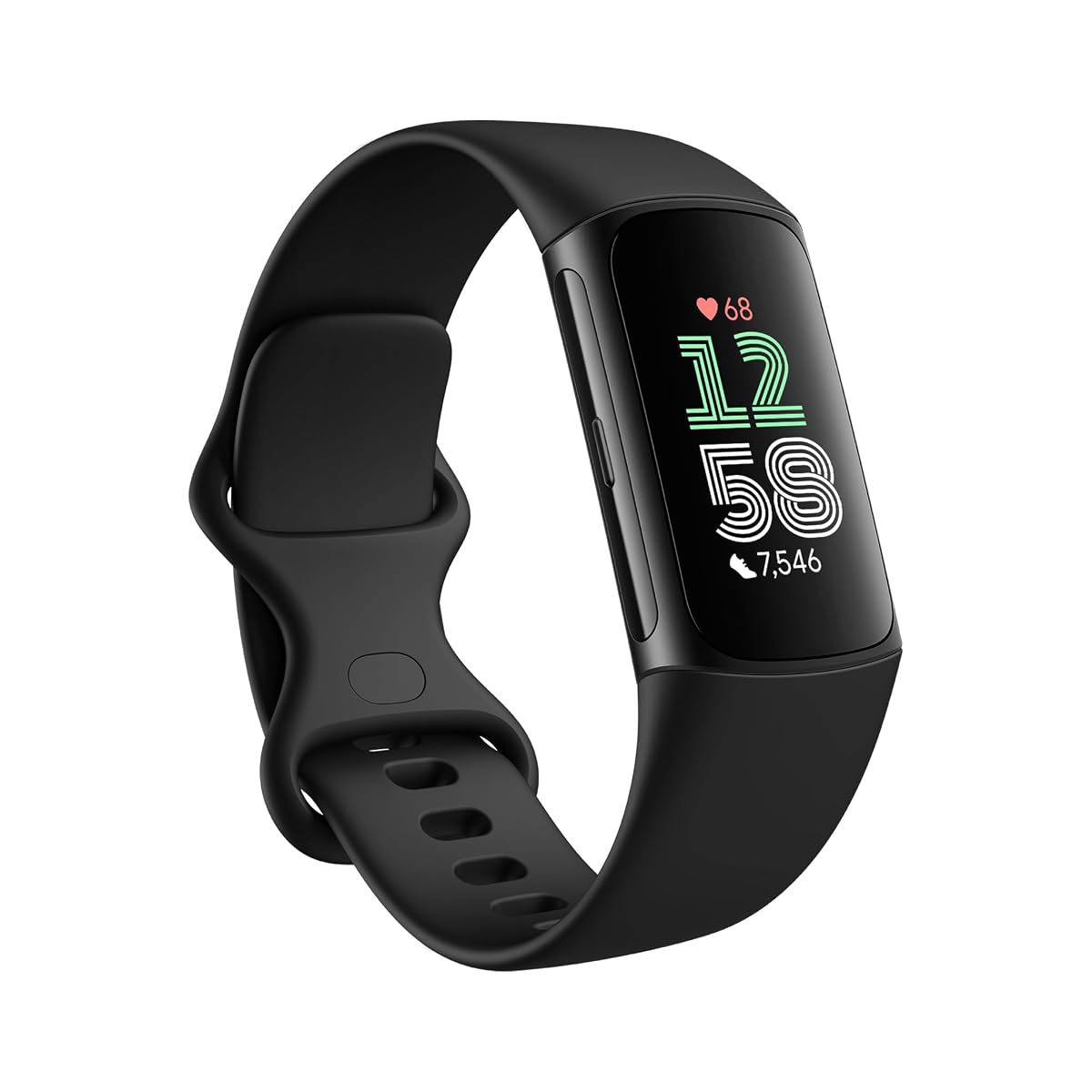
Oura Ring Gen 3
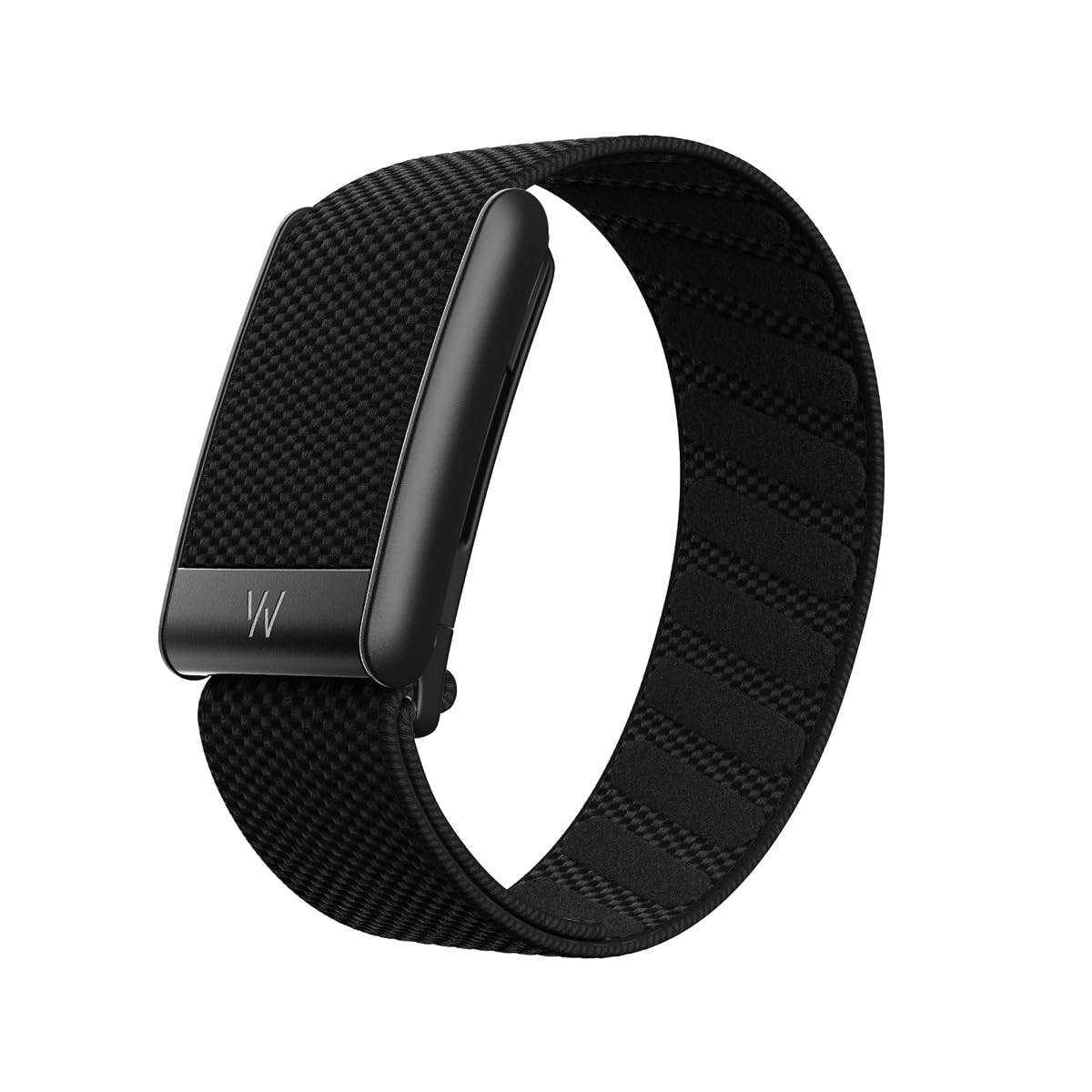
WHOOP 5.0 Activity Tracker
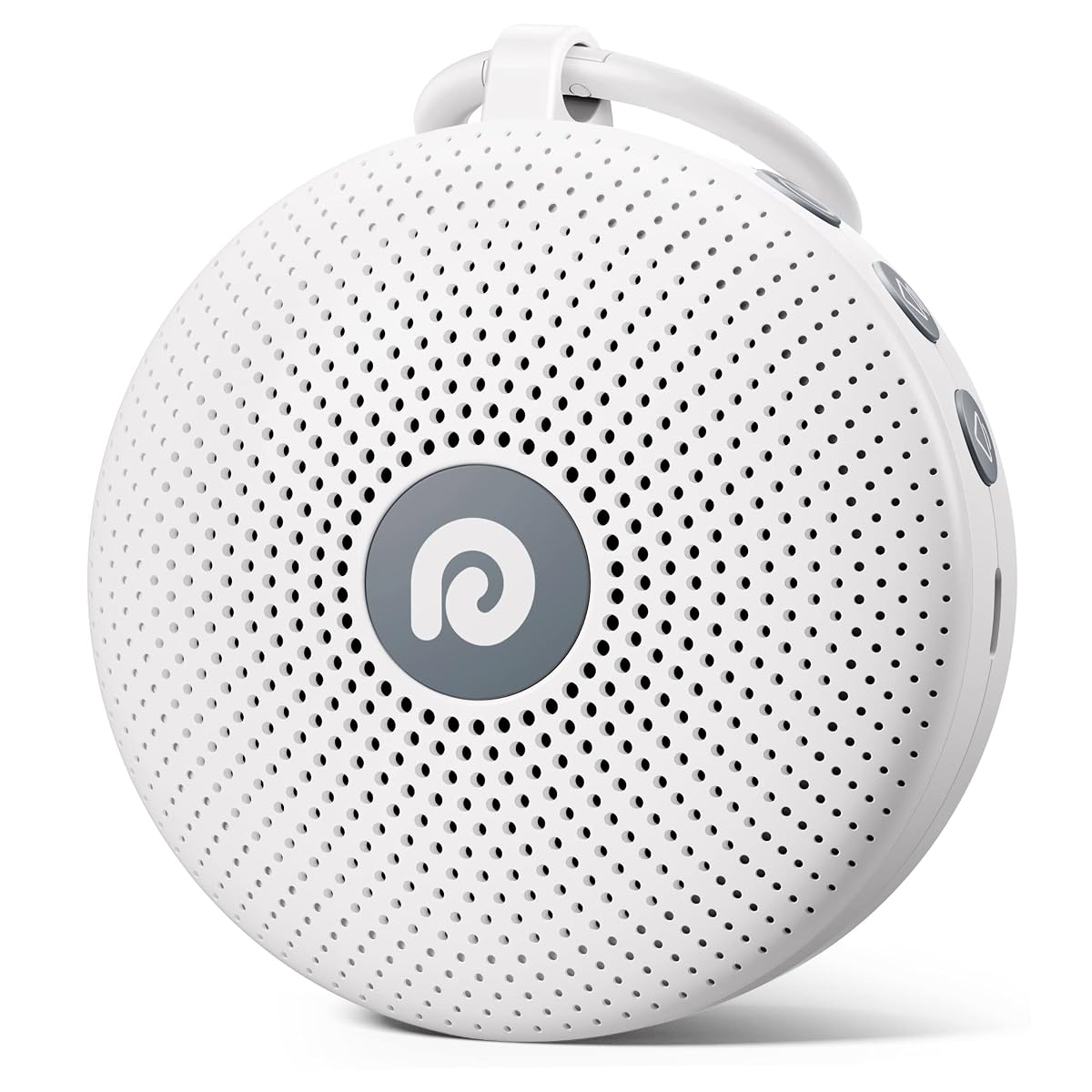
Hatch Restore 3 Sunrise Alarm

LMNT Zero Sugar Electrolytes, Watermelon Salt (30-count)
beingvela is reader-supported. Some links are affiliate links, we may earn a small commission at no extra cost to you.
Prices are snapshots and change over time.
Shop the Everyday Essentials
The tools and gear we actually use, curated and tested by our editors.
Browse essentialsGo deeper with a guide
The Sleep Reset
A 14-day protocol to fix your circadian rhythm, deepen your sleep, and help you wake up rested without relying on supplements.
Read the guide GuideFoundations of Strength
The beginner-friendly framework to build lifelong strength with just three movements, twice a week.
Read the guide GuideEat for Energy
A practical nutrition guide to stabilise blood sugar, sharpen focus, and eat well without counting anything.
Read the guideKeep reading
 Recovery
Nasal Breathing at Night: The Overlooked Lever for Deeper Sleep
Mouth breathing quietly wrecks recovery, HRV, and morning energy. Here's the physiology, the evidence, and the simple bedroom protocol that fixes it in about a week.
 Mental Health
Regulate Your Nervous System: A Field Guide to Calm
Stress isn't a personality trait, it's a physiological state you can measure and change. Here's how to actually shift out of it, on the days you need it most.
 Mental Health
The Anxiety-Sleep Loop: How to Break the Cycle in Two Weeks
Poor sleep amplifies anxiety, and anxiety wrecks sleep. Here's the neuroscience behind the feedback loop and the specific protocol that interrupts it.