
Nasal Breathing at Night: The Overlooked Lever for Deeper Sleep
Mouth breathing quietly wrecks recovery, HRV, and morning energy. Here's the physiology, the evidence, and the simple bedroom protocol that fixes it in about a week.

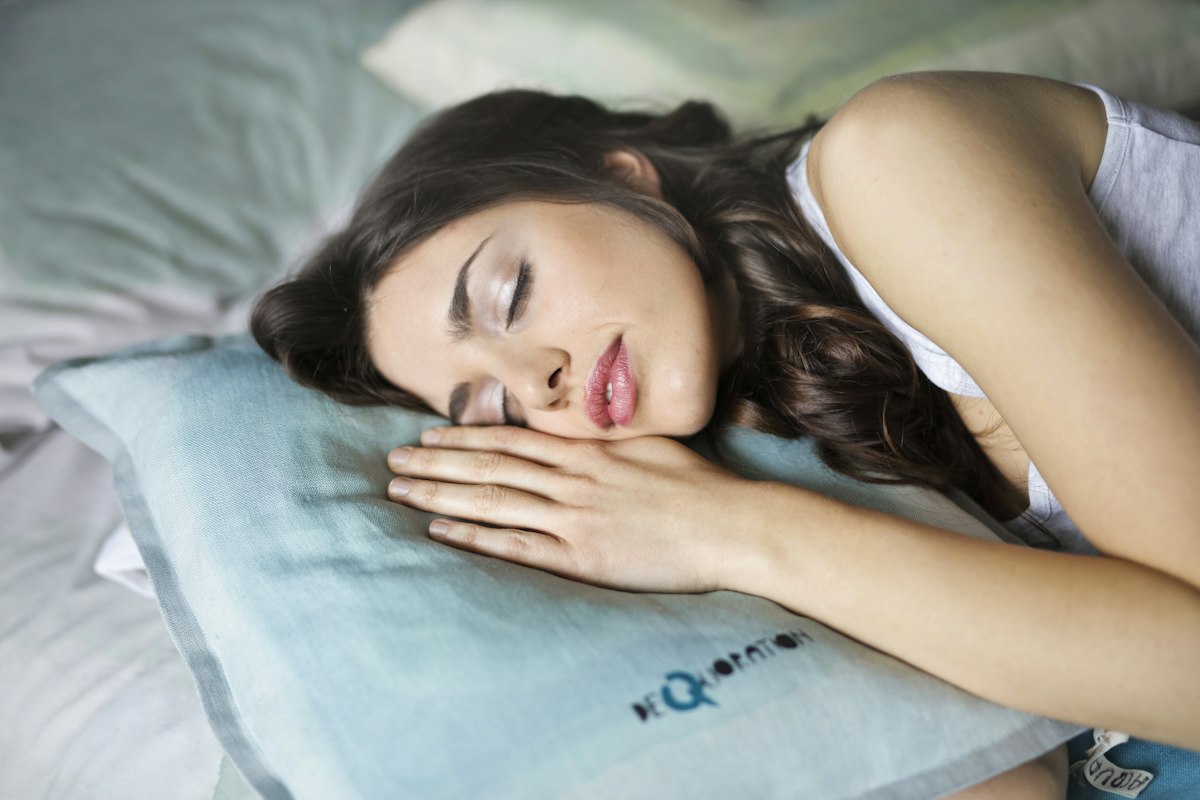
You can get eight hours in bed, avoid caffeine after noon, keep the room cold and dark, and still wake up feeling like you barely slept. If that pattern sounds familiar, the culprit almost always turns out to be something nobody thinks to check: how you're breathing while you're unconscious. Specifically, whether your mouth is open.
Mouth breathing at night is one of the most under-diagnosed drains on recovery in otherwise healthy adults. It fragments sleep architecture, tanks heart rate variability, dries out your airway, and leaves you waking up thirsty and foggy with no obvious explanation. The fix costs less than a coffee and takes about a week to feel. But the reason it works is worth understanding first, because doing the protocol without the physiology is how people quit after three nights.
Why your nose is not optional equipment
The nose is not a redundant airway. It's a piece of specialized respiratory hardware that does at least four things the mouth cannot. It filters particulates and pathogens through the mucosal lining and cilia. It humidifies and warms incoming air to body temperature before it reaches the lungs, protecting the delicate alveoli. It generates nitric oxide in the paranasal sinuses, a molecule that dilates blood vessels and improves oxygen uptake in the lungs by roughly 10-15%. And it slows the breath, which is the single most important input to the parasympathetic nervous system that governs deep sleep.
When you breathe through your mouth for 6-8 hours a night, you bypass every one of those systems. You inhale colder, drier, dirtier air directly into the lungs. You get less oxygen per breath because you're skipping the nitric oxide boost. You breathe faster and shallower, which keeps sympathetic tone elevated and prevents you from dropping cleanly into the deep stages of sleep. And you dehydrate the tissues of the mouth and throat, which is why chronic mouth breathers wake up with dry lips, a coated tongue, and morning breath that could wake the neighbors.
"The nose is for breathing. The mouth is for eating. When we breathe through the mouth chronically, we are running the body on a backup system that was never designed for continuous use."
, Dr. Steven Park, sleep surgeon
How to tell if you're a nighttime mouth breather
Most people underestimate this. If any two of the following are true, you're almost certainly breathing through your mouth for a meaningful portion of the night:
- You wake up with a dry mouth, cracked lips, or a raspy voice.
- Your partner reports snoring, even light snoring, most nights.
- You wake up 1-3 times to drink water or use the bathroom.
- Your morning HRV on a wearable trends stubbornly low despite 'good' sleep hours.
- You get more than one sinus infection or cold per year.
- Your resting heart rate at night sits noticeably higher than during the day.
The mouth-taping protocol, without the drama
Mouth taping has picked up a slightly unhinged reputation online, partly because early adopters used surgical tape or duct tape and looked terrifying doing it, and partly because a small subset of people genuinely shouldn't do it (more on that below). Done correctly, with tape designed for the job, it's one of the lowest-risk, highest-leverage sleep interventions available.
The mechanism is boring. A small strip of hypoallergenic tape across the lips is a gentle physical reminder that keeps the mouth closed while you sleep. It does not seal the mouth like a vacuum, you can still open it if you need to, cough through it, or peel it off in your sleep if something's wrong. What it does is remove the path of least resistance. Given the option to breathe through an easy open mouth or a slightly congested nose, the sleeping brain defaults to the mouth every time. Take that option away and the nose reopens within a night or two.
The one-week protocol
Do not tape for eight hours on night one. That's the version everyone tries, hates, and quits. Build tolerance the same way you'd build tolerance for anything else the nervous system needs to trust.
- Nights 1-2: Wear the tape for 30-60 minutes on the couch in the evening while you watch TV. Get used to the sensation. Practice nasal breathing at rest.
- Nights 3-4: Tape on for the first hour of sleep, then remove before you actually try to fall asleep. This trains the association without the panic.
- Nights 5-6: Tape on and try to fall asleep with it. If you wake up in the night and it's still on, leave it. If it's off, don't worry about it.
- Night 7+: Tape on for the full night. By now the nose has done most of its clearing work and it feels normal.
The people who describe mouth taping as 'life-changing' aren't exaggerating, but they also aren't telling you they spent a week ramping up. Skip the ramp and you'll spend three nights fighting the tape, decide it's not for you, and miss the actual benefit that was two nights away.
What actually changes when you stop mouth breathing
The subjective changes show up first. Within 3-5 nights, most people report waking up without a dry mouth for the first time in years. Morning breath softens noticeably. The first-thing-in-the-morning thirst goes away. Snoring drops or disappears entirely for people whose snoring was driven by open-mouth airway collapse rather than true obstructive sleep apnea.
The objective changes show up next, and this is where a wearable pays for itself. Overnight HRV rises. Resting heart rate during sleep drops 3-8 bpm on average. Sleep efficiency, the percentage of time in bed you're actually asleep, climbs. Deep sleep and REM stages lengthen. The graph on your Oura or WHOOP app looks like someone finally connected the wires that were loose.
The bedroom setup that makes nose breathing easier
Two environmental changes make nasal breathing dramatically more comfortable, especially in the first two weeks. First: bedroom air quality. If your nose is congested every morning, the air in the room is doing something to it, usually dust, dry heat in winter, or fine particulates from cooking that never quite cleared. A HEPA purifier running on low overnight solves this quietly, and the difference is immediate for anyone with even mild allergies.
Second: humidity. Bedroom air below 30% relative humidity, common in heated winter rooms and dry climates, makes nasal breathing genuinely unpleasant and drives you back toward the mouth. Aim for 40-50%. A basic cool-mist humidifier or a bowl of water on a radiator works. This is the single most common reason people say 'I can't breathe through my nose at night' when their nose is actually fine, the room is just too dry.
When mouth taping is not the answer
Some people should not tape without talking to a doctor first. If you have diagnosed obstructive sleep apnea, are actively congested from a cold or allergies, have severe deviated septum, are prone to nausea or reflux at night, or have any condition that could cause vomiting in your sleep, mouth taping is either the wrong tool or something you should only try under medical supervision. It is a support for otherwise-healthy people who breathe through their mouth by habit, not a fix for actual airway pathology.
If you tape for two weeks and see no improvement in HRV, resting heart rate, or subjective morning energy, and you're doing the rest of sleep hygiene reasonably well, the mouth wasn't the problem. That's actually useful information. It means the next thing to investigate is likely an obstructed airway or undiagnosed sleep apnea, and it's worth a proper sleep study. Mouth taping is diagnostic as well as therapeutic: it either fixes the issue quickly or it tells you the issue is bigger than breathing.
The one-line version
Breathe through your nose all night. Use a small piece of tape to remind your unconscious mouth to stay closed. Ramp up over a week so the nervous system stops fighting it. Add clean, humidified bedroom air so the nose has an easy job. Watch your HRV climb. Almost nothing else you can do for sleep is this cheap, this fast, or this reversible if it doesn't work, which is precisely why it belongs at the top of the recovery-lever list, not the bottom.
Tools referenced in this piece
Hostage Tape, Mouth Tape for Better Sleep
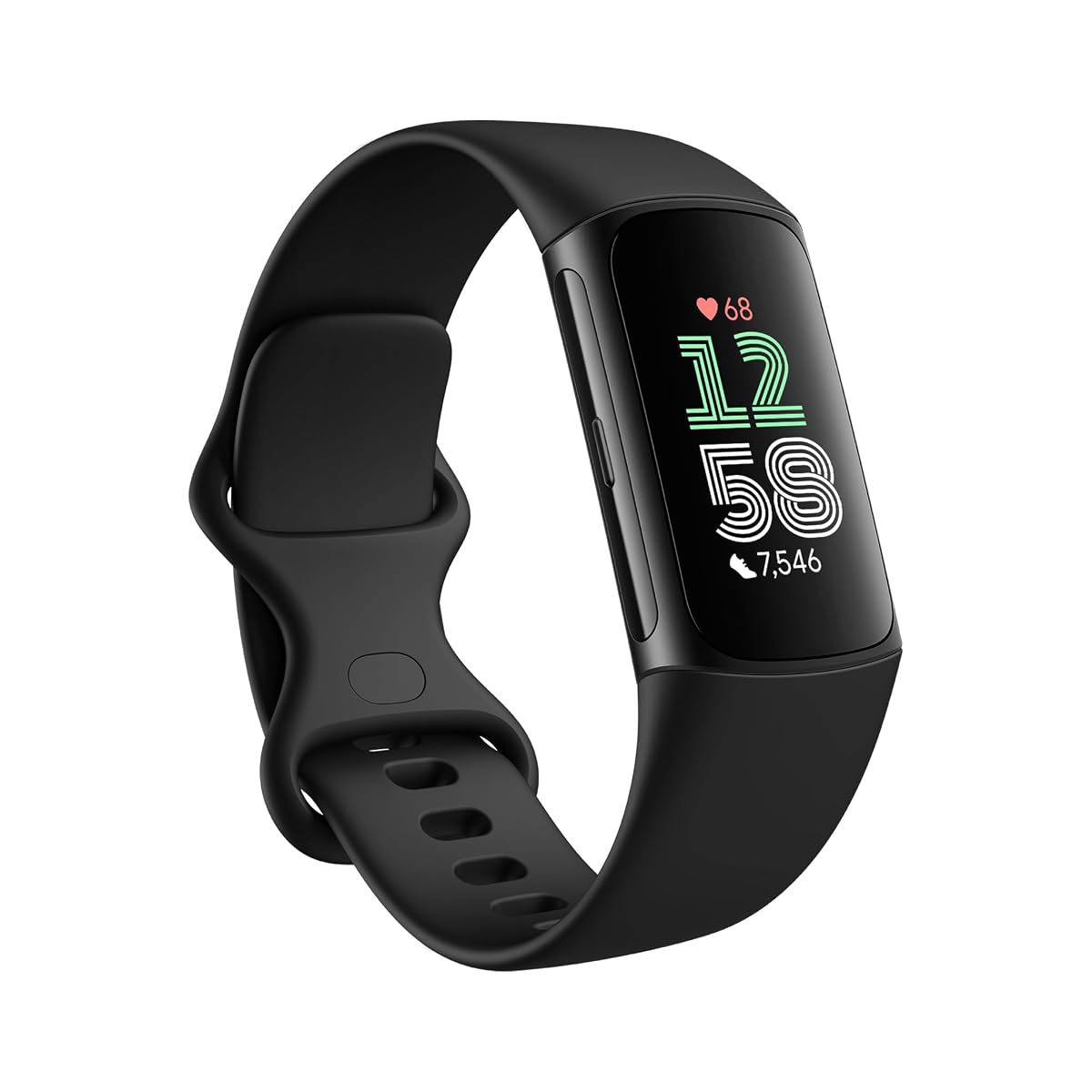
Oura Ring Gen 3
Hatch Restore 3 Sunrise Alarm
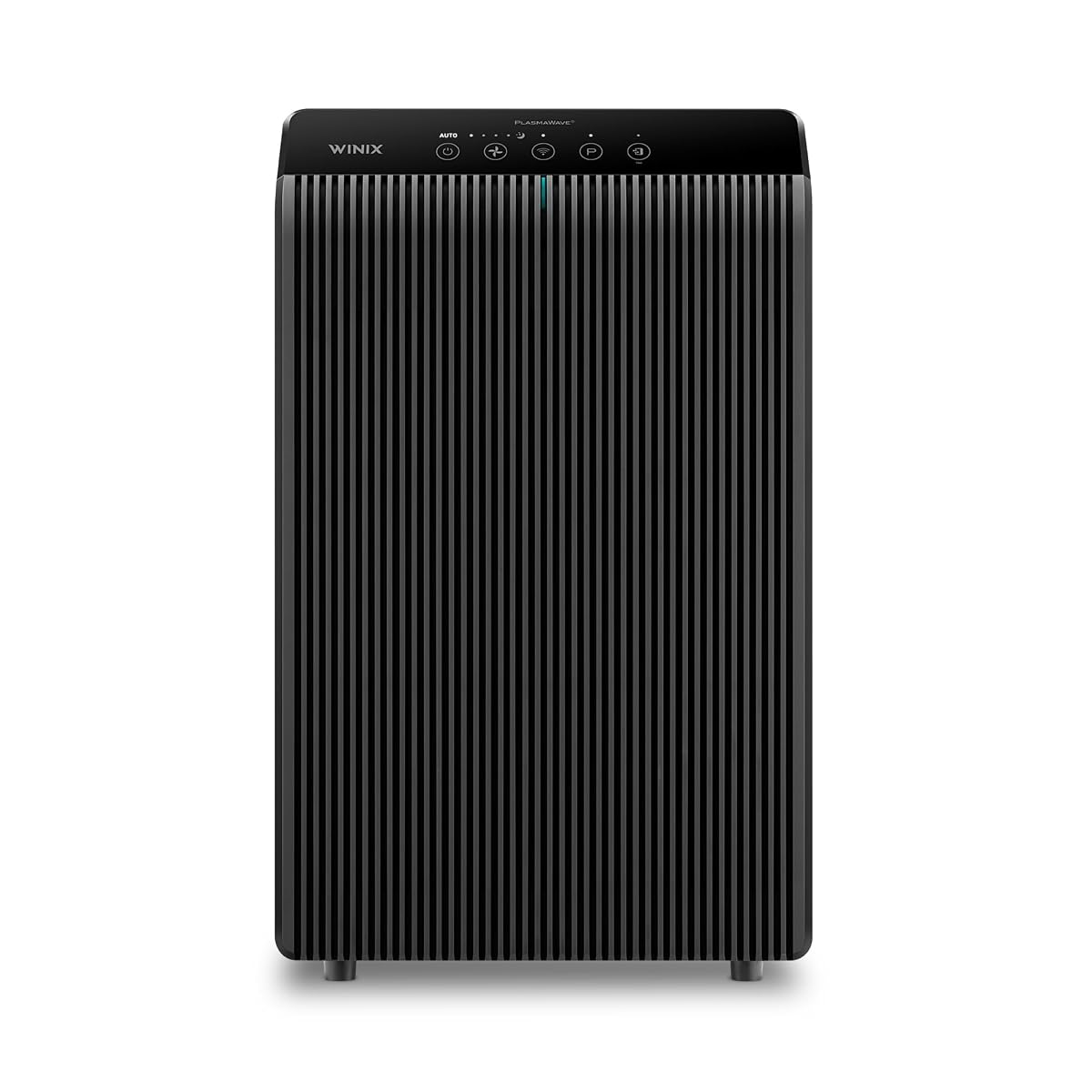
Blueair Blue Pure 511i Max
beingvela is reader-supported. Some links are affiliate links, we may earn a small commission at no extra cost to you.
Prices are snapshots and change over time.
Shop the Everyday Essentials
The tools and gear we actually use, curated and tested by our editors.
Browse essentialsGo deeper with a guide
The Sleep Reset
A 14-day protocol to fix your circadian rhythm, deepen your sleep, and help you wake up rested without relying on supplements.
Read the guide GuideFoundations of Strength
The beginner-friendly framework to build lifelong strength with just three movements, twice a week.
Read the guide GuideEat for Energy
A practical nutrition guide to stabilise blood sugar, sharpen focus, and eat well without counting anything.
Read the guideKeep reading
 Recovery
HRV: What It Actually Measures and How to Move the Number
Heart rate variability is the most misunderstood metric in wearable fitness. Here's what the number really means, what moves it, and how to use it without becoming a slave to a morning notification.
 Recovery
The Science of Cold Exposure: Benefits and Protocols
Discover how intentional cold exposure can boost metabolism, resilience, and recovery. Our comprehensive guide covers the protocols for peak results.
 Recovery
Post-Workout Recovery: The 20-Minute Window That Actually Matters
The 'anabolic window' isn't 30 minutes wide, and it isn't about protein powder. Here's what the last decade of recovery research actually says, and what to do in the hour after training.