
The Science of Cold Exposure: Benefits and Protocols
Discover how intentional cold exposure can boost metabolism, resilience, and recovery. Our comprehensive guide covers the protocols for peak results.

You don't need an ice bath, a Nordic sauna, or a $5,000 tub in your garage to get most of the benefits of cold exposure. A 60-second cold rinse at the end of your normal shower delivers the majority of what the research points to: better mood, sharper focus, lower baseline inflammation, and a nervous system that stays calmer under load.
The internet has turned cold plunging into a lifestyle Olympics. That's a shame, because the entry-level version is so accessible and so effective that most of the extremes are unnecessary. Here's what to actually do, why it works, and where the diminishing returns kick in.
The minimum effective dose
- 3 exposures per week, spread across non-consecutive days
- 60-90 seconds at the coldest your tap will go, or ~50°F/10°C in a plunge
- Breathe slowly through the nose. No gasping, no panic breathing
- Total weekly cold exposure of roughly 11 minutes
Eleven minutes per week is the number Dr. Susanna Søberg's research keeps landing on for measurable metabolic adaptation. You can get there in one long session or, more realistically, in four short ones. Distribution seems to matter more than any single hero exposure.
What it actually does
Cold exposure spikes norepinephrine 2-5x within seconds, and that elevation lasts for hours afterward. Norepinephrine is why people describe feeling clear-headed, alert, and strangely calm for the rest of the morning. It also gently trains your parasympathetic and sympathetic systems to trade cleanly, which shows up over time as higher heart rate variability and a slower resting heart rate.
The mood effect is where most people first notice results. A single 2-minute cold exposure raises dopamine by roughly 250%. A rise that unlike caffeine or sugar doesn't crash but tapers gently over 2-3 hours. That's a mood tool with no hangover and no tolerance build-up, which is rare.
"The willingness to do a hard thing on purpose is a muscle. Cold builds it faster than almost anything else."
, Dr. Susanna Søberg
Cold after training: when to skip it
Here's the nuance most enthusiasts miss. Cold exposure immediately after resistance training blunts the muscle-building signal your body just spent an hour creating. If your goal is hypertrophy or strength, wait at least 6 hours after a lifting session before you get cold, or move your cold exposure to a completely separate day.
For endurance training, the picture is more forgiving. Cold after a long run can actually help perceived recovery without meaningfully blunting adaptation. And on complete rest days, cold is pure upside.
How to build tolerance without hating your life
Week 1: end your shower with 15 seconds of cold. Week 2: 30 seconds. Week 3: 60 seconds. Week 4: 90 seconds. That's it. You've now built more cold tolerance than 95% of people, and the whole ramp took a month with no equipment.
The single hardest part is the first 10 seconds. Your instinct will be to gasp and tense. Fight both. Slow nasal exhales, drop your shoulders, and remind yourself that in 40 more seconds you'll be back in warm water and feeling amazing. That practice, staying calm inside a spike of discomfort, is arguably the whole point. It transfers to hard conversations, hard workouts, and hard days.
Where the diminishing returns kick in
Beyond about 3 minutes per session or 15 minutes per week, the mood and metabolic benefits plateau fast. The stories of people plunging for 20 minutes are usually about identity and community, not additional physiology. Longer isn't safer either: prolonged exposure raises the risk of afterdrop, where your core temperature keeps falling after you exit the water.
Start small, stay consistent, and let the habit compound. The cold isn't the point. What you learn about your own reaction to discomfort is.
The breathing pattern that changes everything
The single technique that separates people who love cold exposure from people who quit after week two is nasal breathing. When you enter cold water, your instinct is to gasp. Shallow, mouth-open, chest-high breaths that trigger a sympathetic panic response. That response is the reason your first cold plunge feels traumatic and the reason your heart pounds for ten minutes afterward. Close your mouth. Breathe in slowly through the nose for a count of four; breathe out through the nose or pursed lips for a count of six. Longer exhales than inhales down-regulate your nervous system in real time. Within three or four sessions, you'll be able to step into water that used to lock your chest and stay calm inside it.
This isn't wellness-industry flourish. It's the whole point of the practice. Cold water is a controlled dose of a stressor you can't argue your way out of. Learning to stay slow and nasal-only through it teaches you to do the same thing in traffic, in meetings, and in the first ten seconds of any conversation you didn't see coming.
Sauna, contrast, and where cold fits in the bigger picture
If you have access to heat as well as cold, the combination is genuinely more powerful than either alone. A rough protocol most saunas support: 15-20 minutes hot, 2-3 minutes cold, repeat two to three times, always ending on cold. Contrast therapy improves circulation, boosts recovery from training, and produces a mood effect that lasts most of the day. If you only have a shower, alternating 60 seconds hot / 30 seconds cold for three cycles at the end of your normal shower is a passable home version.
One important caveat: nothing in cold exposure is worth injuring yourself over. Never plunge alone in open water, never in currents, and never after drinking. If you have a heart condition, uncontrolled blood pressure, or Raynaud's, talk to your doctor first. The norepinephrine spike that makes cold exposure useful is the same spike that can be dangerous in the wrong body. Everyone else: start with a 15-second cold rinse tomorrow morning, then decide from there.
When to skip it entirely
Two situations where cold exposure isn't the right tool. First, when you're actively sick or under-recovered. Cold adds a stressor to a system that's already dealing with one, and it can drag out illness. Give yourself a week. Second, when you're using it to feel something rather than to build something. If your cold habit has become the only way you can start the day, or you're chasing a bigger dose to get the same rush, that's the same trap that eats caffeine and cardio users. Cold is a supplement to a life, not a substitute for one. Keep it in that role and it stays useful for years.
Tools referenced in this piece
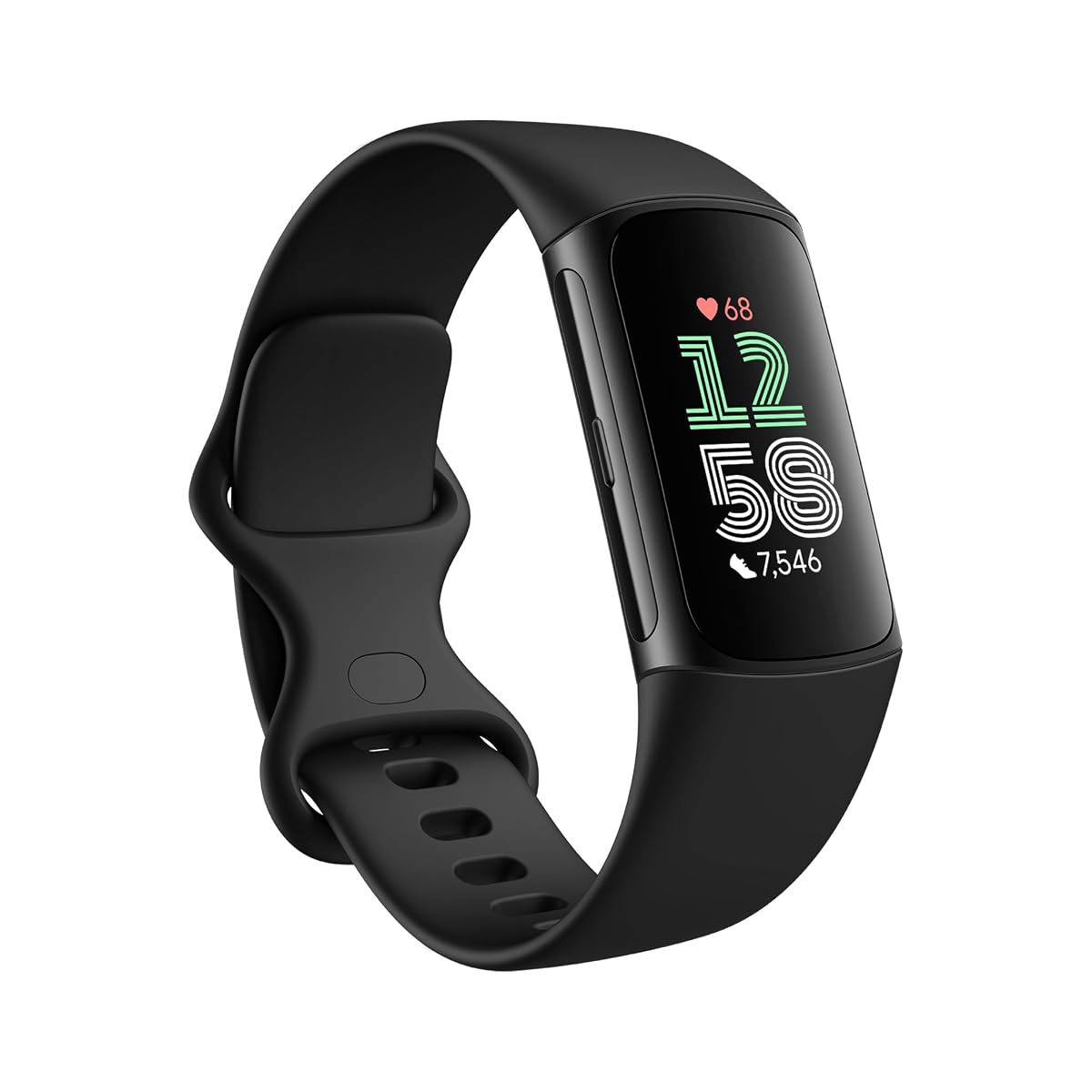
Oura Ring Gen 3
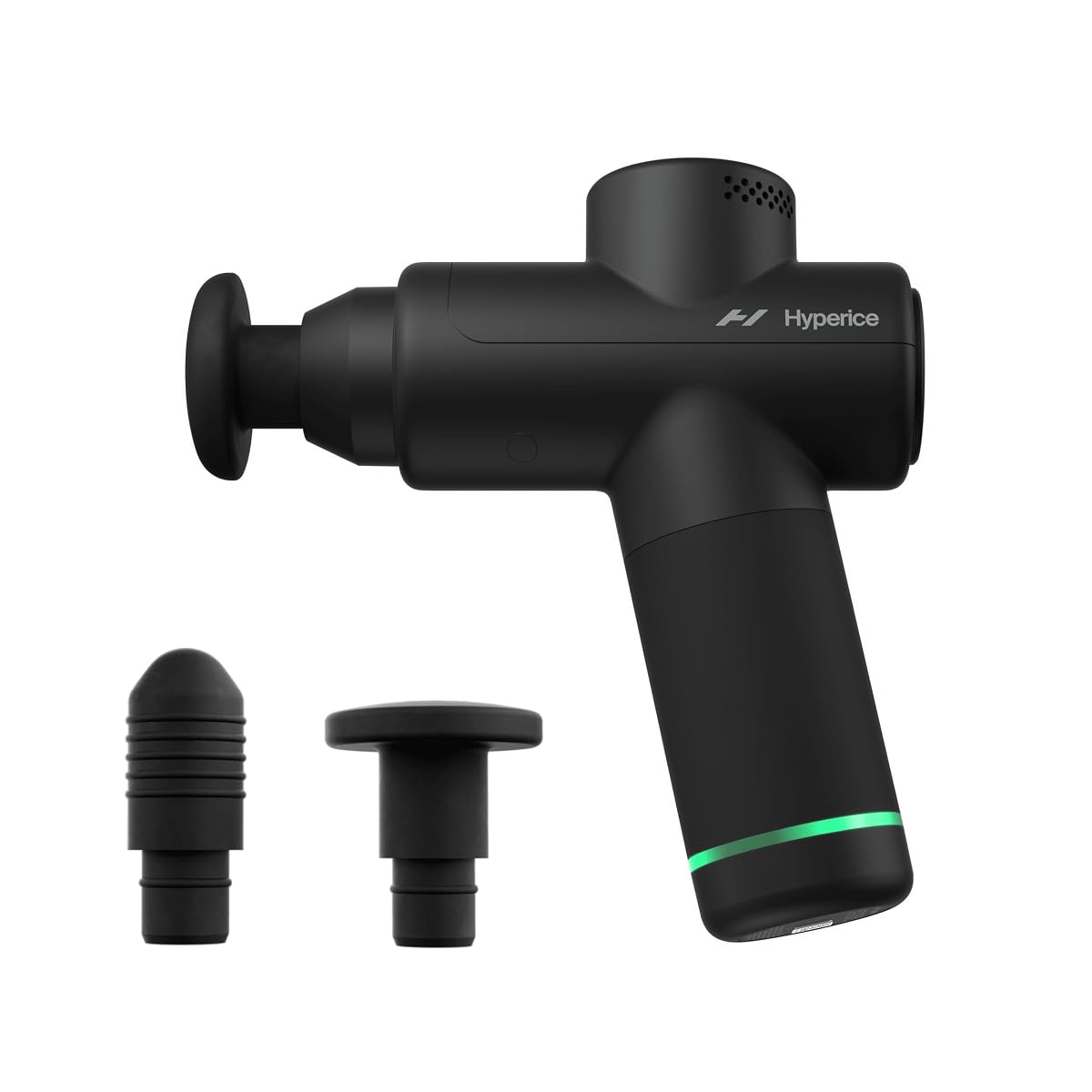
Theragun Mini (3rd Gen)
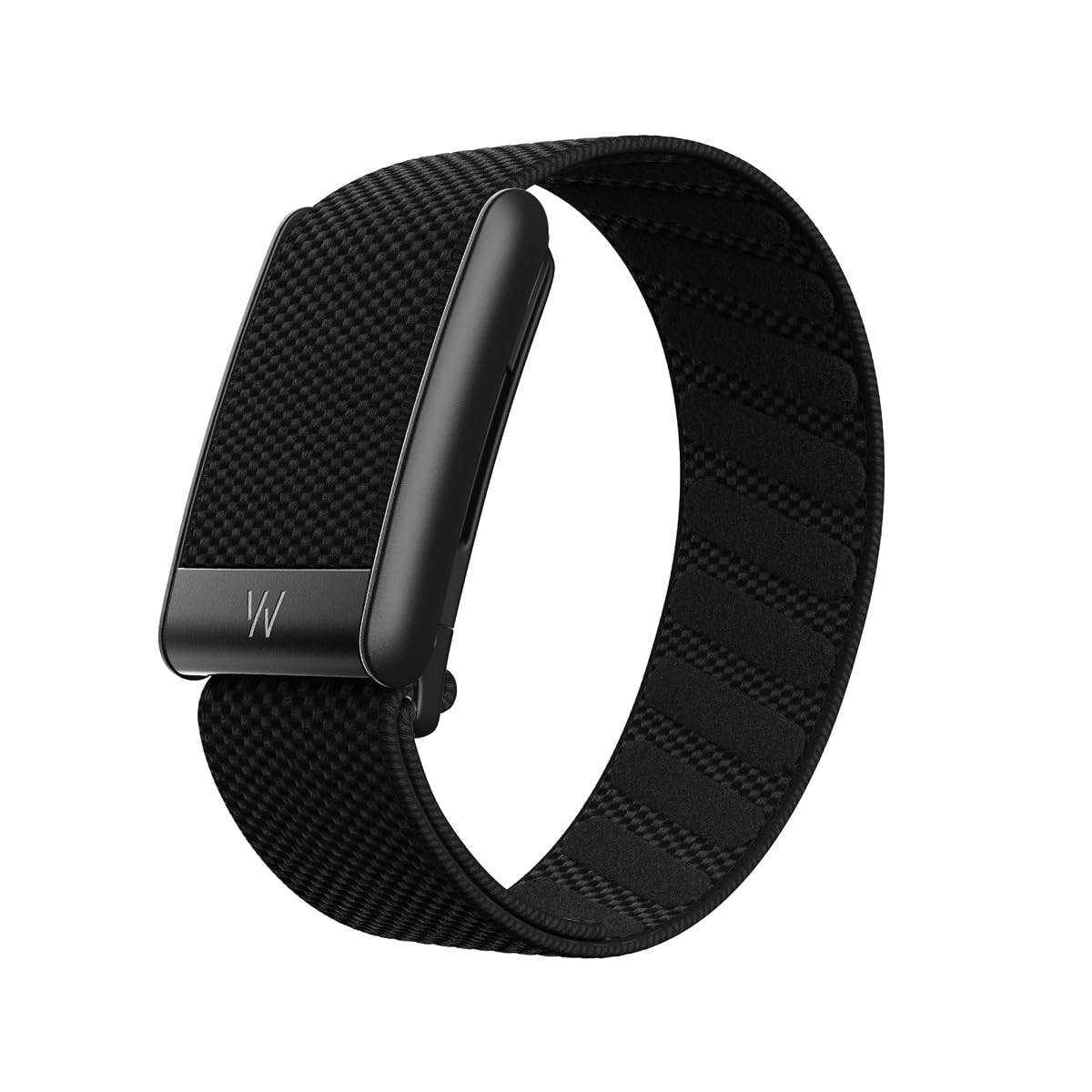
WHOOP 5.0 Activity Tracker
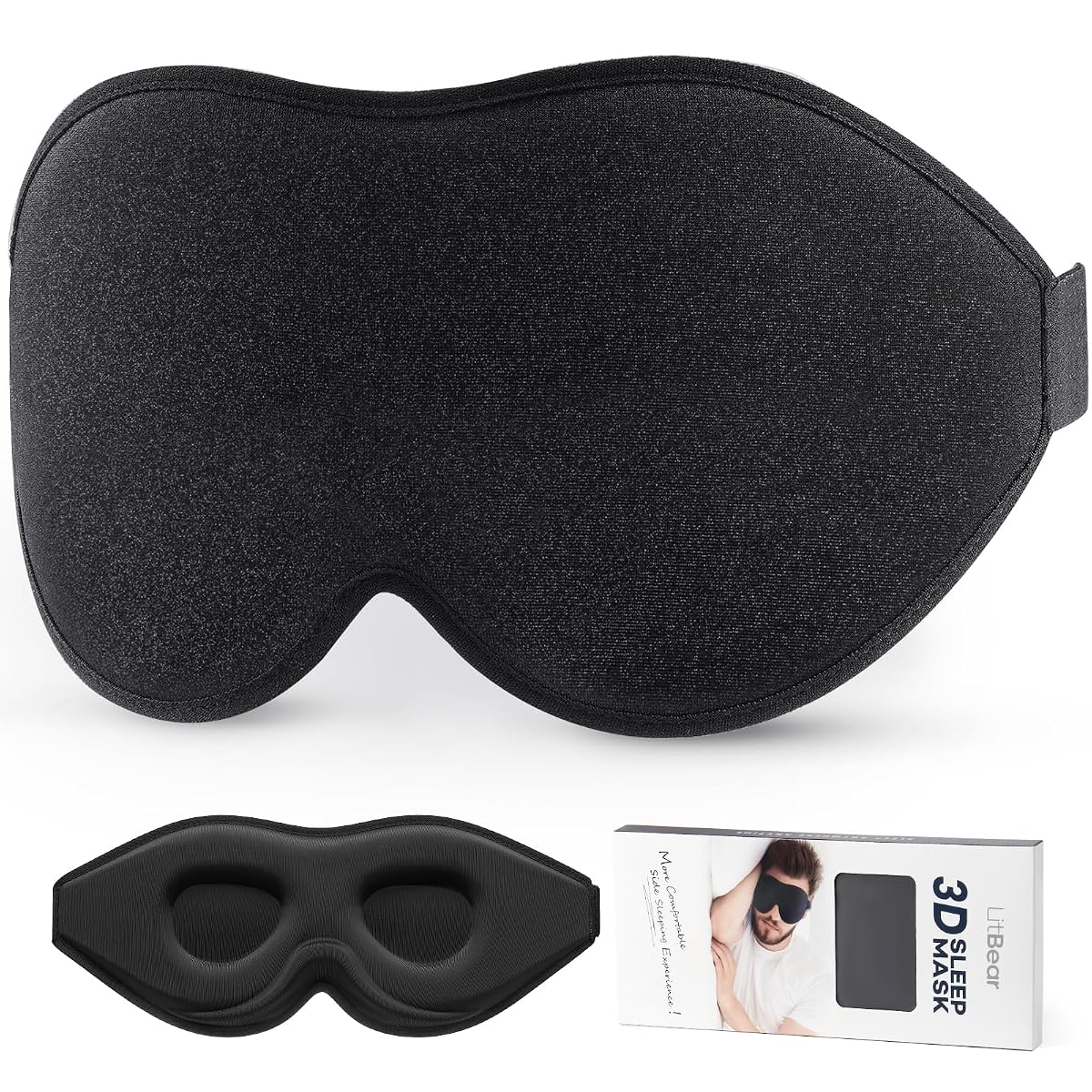
Manta Original Sleep Mask
beingvela is reader-supported. Some links are affiliate links, we may earn a small commission at no extra cost to you.
Prices are snapshots and change over time.
Shop the Everyday Essentials
The tools and gear we actually use, curated and tested by our editors.
Browse essentialsGo deeper with a guide
The Sleep Reset
A 14-day protocol to fix your circadian rhythm, deepen your sleep, and help you wake up rested without relying on supplements.
Read the guide GuideFoundations of Strength
The beginner-friendly framework to build lifelong strength with just three movements, twice a week.
Read the guide GuideEat for Energy
A practical nutrition guide to stabilise blood sugar, sharpen focus, and eat well without counting anything.
Read the guideKeep reading
 Recovery
Post-Workout Recovery: The 20-Minute Window That Actually Matters
The 'anabolic window' isn't 30 minutes wide, and it isn't about protein powder. Here's what the last decade of recovery research actually says, and what to do in the hour after training.
 Recovery
Nasal Breathing at Night: The Overlooked Lever for Deeper Sleep
Mouth breathing quietly wrecks recovery, HRV, and morning energy. Here's the physiology, the evidence, and the simple bedroom protocol that fixes it in about a week.
 Recovery
The 5-4-3-2-1 Deload: A Simple Weekly Rhythm That Prevents Overreach
Athletes deload every few weeks. Knowledge workers train year-round without one and wonder why November feels like collapse. Here's a weekly framework that combines training and work stress into one rhythm.