
Zone 2 Cardio: The Longevity Workout You're Skipping
The unsexy, low-intensity cardio that reshapes your mitochondria, drops resting heart rate, and adds years to your healthspan, done right, and done often.

Ask a top longevity researcher what a middle-aged human should be doing for their heart, brain, and metabolism, and you'll get a surprisingly boring answer. Not sprints. Not HIIT. Not marathon training. Three to four hours a week of easy cardio, an effort so gentle you can hold a full conversation through it. This is Zone 2, and it's the training band with the deepest research base for adding both years to your life and life to your years. It's also the band almost nobody trains, because it doesn't feel like exercise, doesn't post well, and doesn't leave you sore.
That's exactly why it works. Zone 2 targets a set of adaptations, mitochondrial density, fat oxidation, capillary growth in muscle tissue, resting heart rate, that only respond to long, easy volume. You can't shortcut it with harder sessions. You can only stack the minutes.
What Zone 2 actually is
Zone 2 is defined physiologically, not by a heart-rate zone on a watch. It's the highest intensity at which your body still clears lactate as fast as it produces it, meaning you're burning primarily fat, and your muscles aren't accumulating fatigue byproducts. In practice, that lands most people at 60-70% of max heart rate, but the more reliable field test is the talk test: you can speak in full sentences, but singing feels awkward. If you're gasping for breath between words, you've drifted into Zone 3. If you can recite a monologue effortlessly, you're in Zone 1 and need to push a little harder.
For most healthy adults under 50, that means a heart rate somewhere between 115 and 145 bpm. If you're a lifelong runner or cyclist, it may be higher; if you're deconditioned, it may be lower. The number matters less than the feeling. Nasal breathing is another honest signal, if you can nose-breathe throughout, you're almost certainly in the right zone.
"Zone 2 is the training band your mitochondria have been begging for. Everything else is dessert."
, Dr. Iñigo San Millán
Why it matters more than harder workouts
Your mitochondria are the small organelles inside every cell that turn food and oxygen into usable energy. As you age, they get fewer, smaller, and less efficient, a process tied directly to almost every chronic disease of aging: type 2 diabetes, cardiovascular disease, neurodegeneration, muscle loss. The single most powerful training stimulus for building new mitochondria and improving the ones you already have is sustained low-intensity aerobic work. Not intervals. Not lifting. Zone 2.
The downstream effects are large and measurable. A well-developed aerobic base drops your resting heart rate by 5-15 bpm within a few months, which alone correlates with a meaningful reduction in all-cause mortality risk. It improves insulin sensitivity, so the same meal produces a smaller glucose spike. It grows the capillary network in your muscles, which is why trained aerobic athletes recover faster from everything, including hard weight training. And it raises your VO2 max ceiling, the single best predictor of lifespan we currently have. People in the top quartile of VO2 max live substantially longer than those in the bottom quartile, and the gap widens with age.
The dose that actually moves the needle
The research consensus, roughly aligned across Peter Attia, Iñigo San Millán, and the endurance-training literature, lands around 3-4 hours per week of Zone 2, split across 3-4 sessions of 45-60 minutes each. Sessions shorter than 30 minutes work, but produce meaningfully smaller adaptations, the mitochondrial machinery takes time to kick on. Sessions longer than 90 minutes give you diminishing returns unless you're training for an endurance event.
- Minimum viable dose: 3 x 30 minutes per week, enough to see resting heart rate drop within 6-8 weeks
- Optimal dose for general health: 3 x 45-60 minutes per week
- Advanced dose for longevity: 4 x 60 minutes per week
- Diminishing returns above ~5 hours per week for a non-athlete
The modality is up to you. Brisk incline walking, easy cycling on a stationary bike, slow jogging, rowing at a conversational pace, the elliptical, even a long hike. What matters is that the effort is steady, sustained, and easy enough to nose-breathe through. Team sports don't count, they're too stop-and-start. Neither does a spin class, which almost always pulls you into Zone 3 or 4.
Why most people train Zone 2 wrong
The near-universal mistake is going too hard. Zone 2 feels almost insultingly easy for the first ten minutes, which triggers the internal voice that says 'this can't be doing anything.' That voice is wrong, and it's expensive, every bpm you drift above Zone 2 shifts the adaptation away from mitochondria and toward glycolytic capacity, which is a different (still useful, but different) training goal.
The fix is boring: watch your heart rate, cap the effort, and trust the process. If you don't have a heart-rate strap, use the nasal-breathing test as your governor. The moment you have to open your mouth to breathe, back off until you can close it again. The other common mistake is doing all your cardio at 'medium-hard', the gray zone above easy but below actually-hard, which is where most recreational runners and cyclists spend 80% of their time. It's the least productive intensity in the entire training spectrum. Push the easy days down; save the hard days for one or two focused sessions a week.
How to fit it into a real week
Three hours of anything is a lot when your calendar is already full. Two structural tricks make it possible for people who insist they don't have time. First: stack Zone 2 onto things you already do. A weekly phone call with your mother becomes a 45-minute walk on an incline treadmill. A podcast you'd listen to on the couch becomes a slow bike session. Zone 2 is the only training intensity you can genuinely multitask through, you can read, take non-critical meetings, or watch a movie without meaningfully compromising the workout.
Second: split sessions if you have to. Two 30-minute sessions in a day are almost as effective as one 60-minute session, and vastly easier to schedule. A 30-minute walk after lunch and a 30-minute easy bike after work is a full daily dose without ever asking your calendar for a continuous block. On weeks where even that fails, protect one longer weekend session and take whatever weekday minutes you can get. Consistency across months beats optimization within any single week.
The tracking question
You do not need a lab lactate test. A chest strap or a modern wearable's continuous heart rate is close enough for 95% of people. Set an alarm at the top of your Zone 2 range, for a healthy 40-year-old with a max HR near 180, that's around 135 bpm, and treat it as a hard ceiling. Every time it buzzes, back off until it stops. Within a few sessions, you'll know the effort by feel and stop needing the alert.
What happens after 12 weeks
The first month feels like nothing. Your resting heart rate hasn't budged much, your times haven't dropped, the workouts still feel too easy to matter. This is the phase where almost everyone quits. Push through it. Somewhere between week 6 and week 10, you'll notice you can hold a slightly faster pace at the same heart rate. Your morning HRV starts climbing. Stairs feel easier. Sleep gets deeper. By week 12, your resting heart rate has dropped 5-10 bpm and the effort that used to sit at 140 bpm now sits at 128. You've grown mitochondria, and it shows.
That's the aerobic base talking. Once it's built, every other kind of training you do, strength, sprints, sports, hiking, chasing a toddler, runs on a better engine. This is what elite endurance coaches mean when they say aerobic base is the foundation of everything else. It's also what longevity researchers mean when they say VO2 max is the most powerful lever we know of for healthspan. The base is Zone 2. The base is boring. The base works.
Common questions and edge cases
Can you combine Zone 2 with strength training? Yes, and you should. The two adaptations don't compete meaningfully, a Zone 2 session and a lifting session on the same day, separated by at least 6 hours, produces both benefits without interference. If you're forced to pick which comes first, lift first when your goal is strength or muscle; do Zone 2 first when your goal is aerobic base. On separate days is cleaner if your schedule allows it.
Does fasted Zone 2 do anything special? A small metabolic bonus, not a life-changing one. Training in a fasted state slightly amplifies fat-oxidation adaptations, which is why many endurance athletes bookend their base phase with fasted morning sessions. For general health, do it fasted only if it fits your day, never at the cost of hitting the weekly volume. A fed Zone 2 session is dramatically better than a skipped one.
What about older adults or people with heart conditions? Zone 2 is the single safest training band in existence, it's what cardiac rehab programs prescribe. The only real caveat is start conservatively, get a baseline check with a physician if you're over 60 or symptomatic, and progress volume by no more than 10-15% per week. The people who benefit the most from Zone 2 are precisely the ones who feel they can't afford harder training. That's a feature, not a limitation.
The one-line version
Three to four sessions a week, 45-60 minutes each, at an effort easy enough to hold a conversation and nose-breathe through, on any modality that keeps your heart rate steady. Do that for a year and you will be measurably younger, biologically, than the version of you that didn't. There is no supplement, no protocol, no piece of gear that comes close to matching what this training does. And the only reason more people don't do it is that it's too simple to feel important.
Tools referenced in this piece
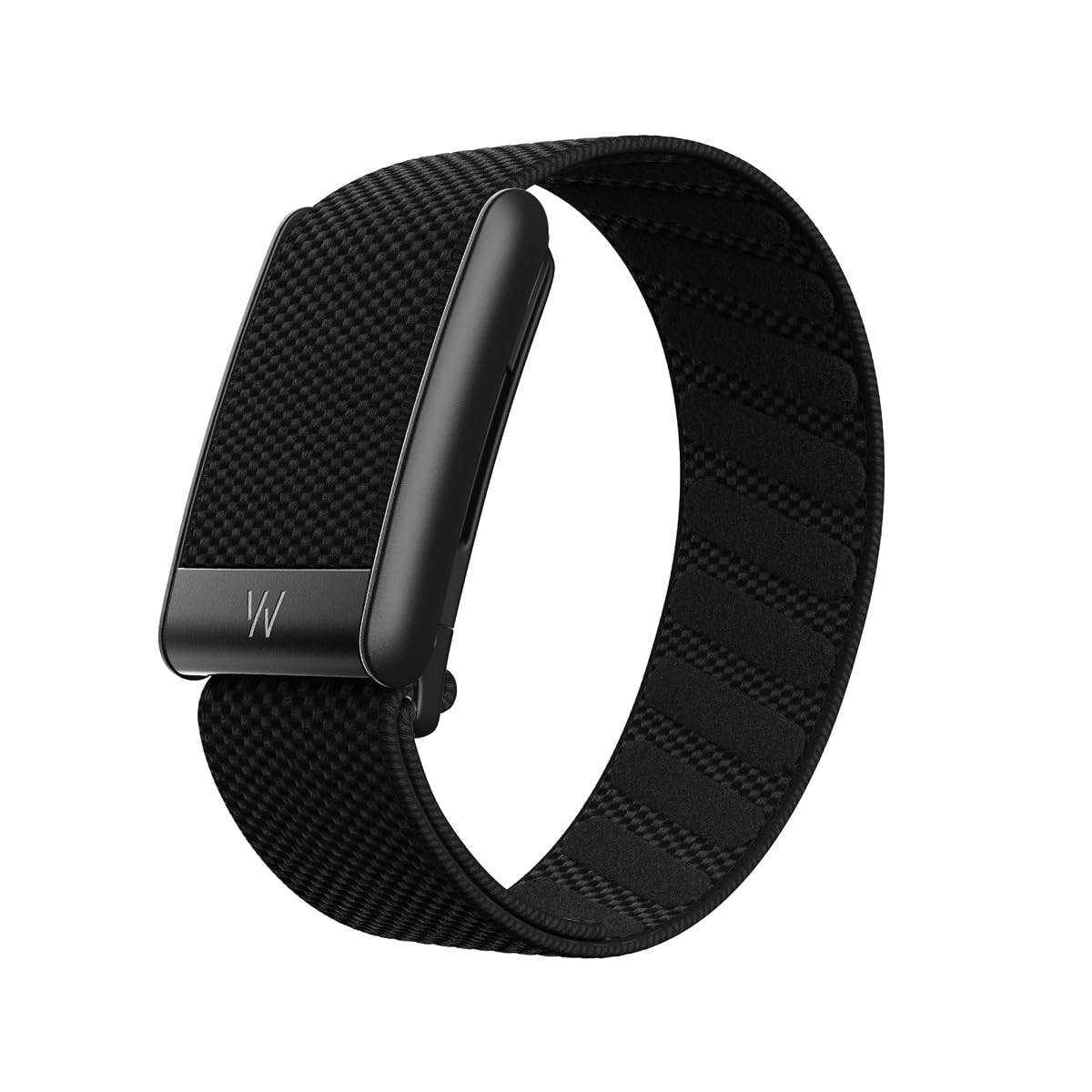
WHOOP 5.0 Activity Tracker
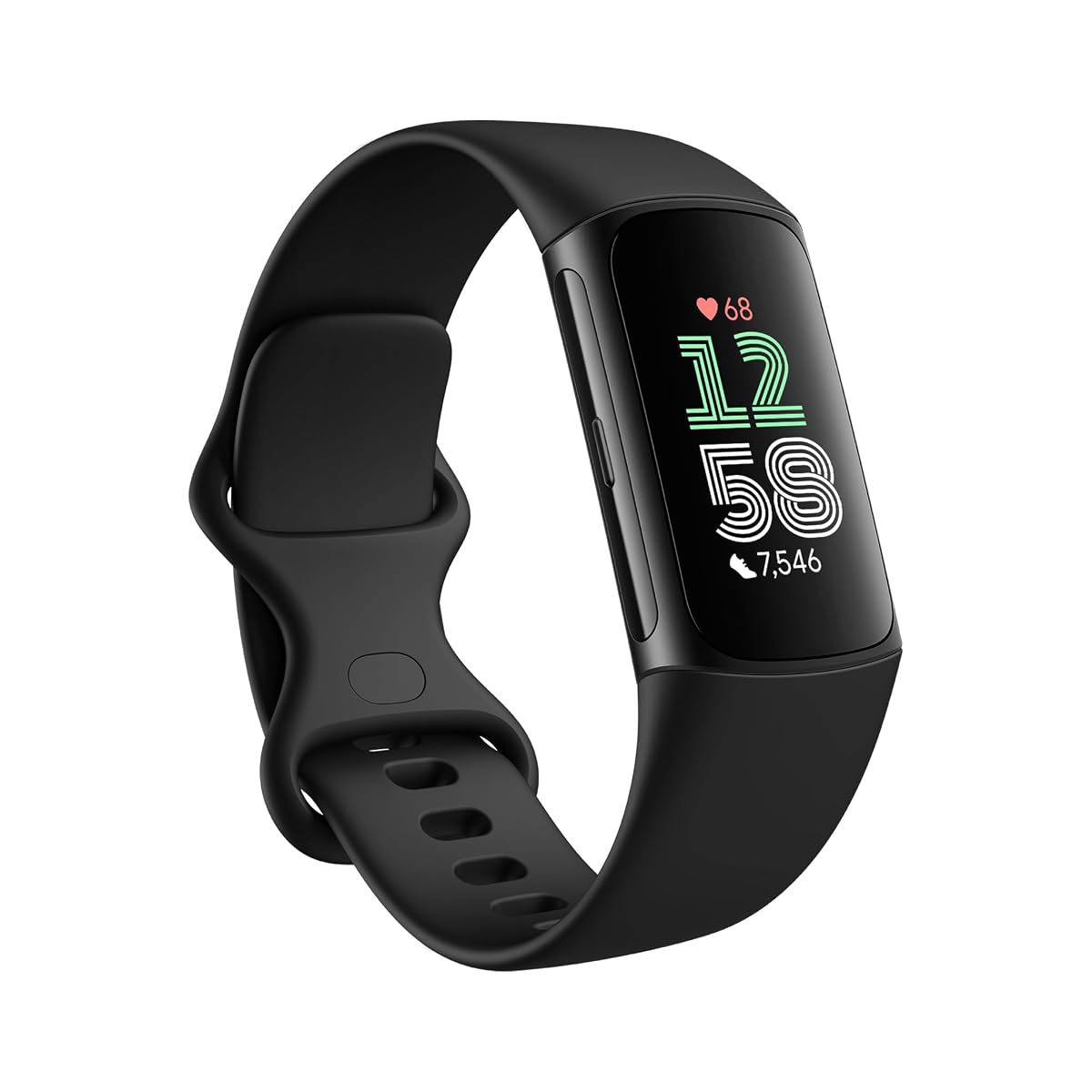
Oura Ring Gen 3
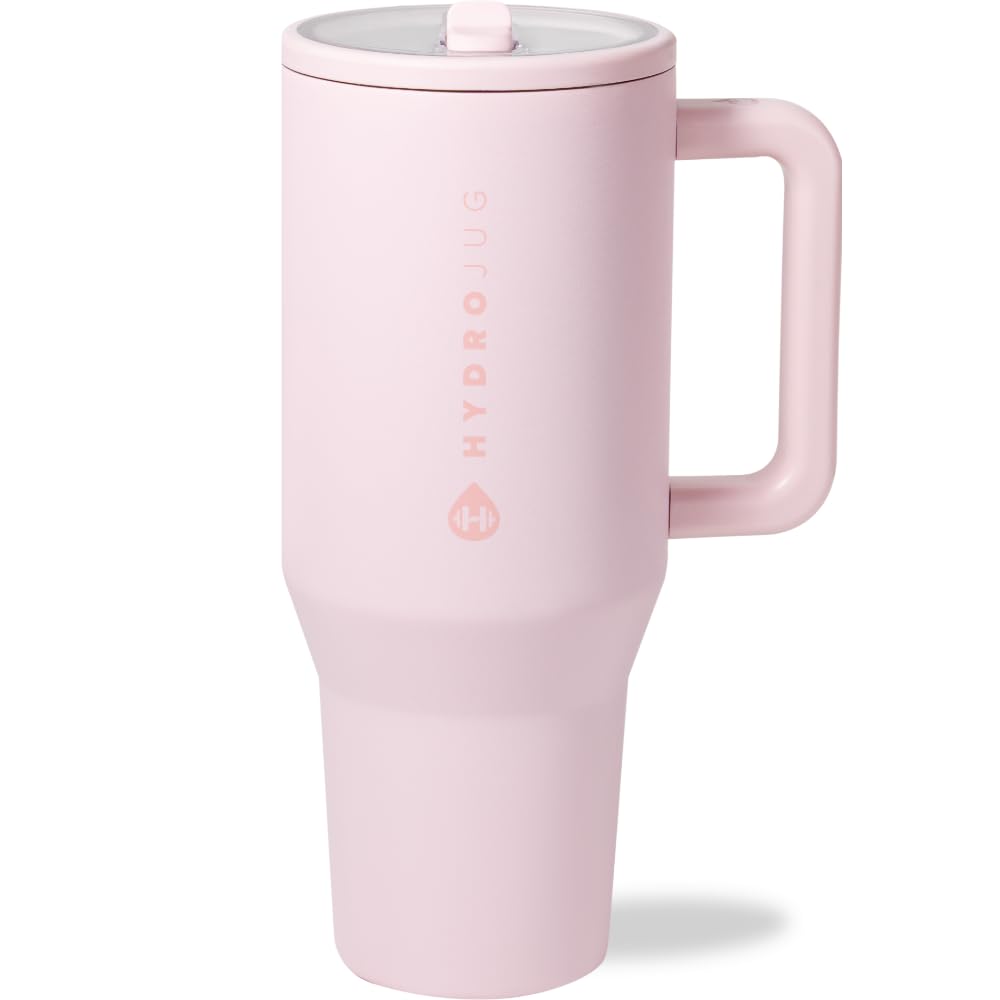
Hydro Flask 32oz Wide Mouth
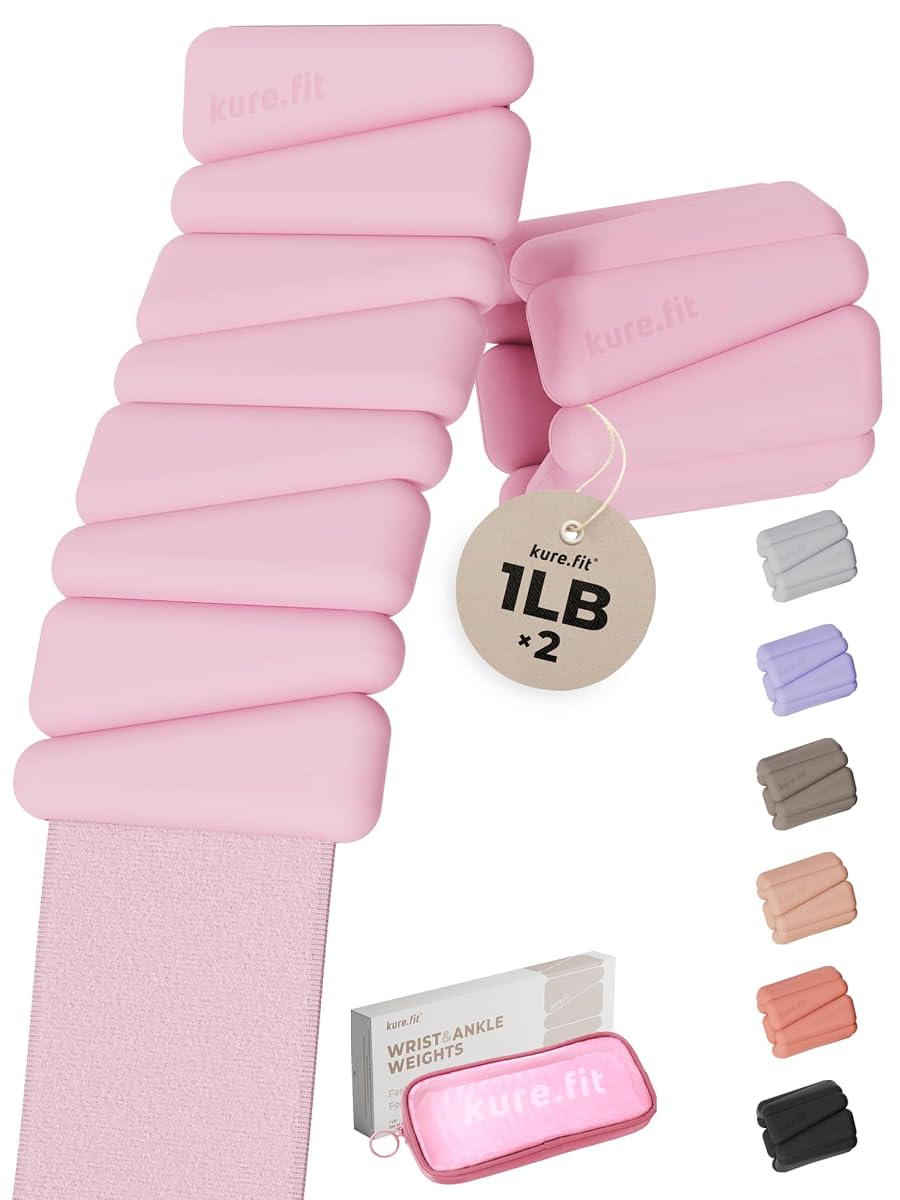
Bala Bangles (1lb pair)
beingvela is reader-supported. Some links are affiliate links, we may earn a small commission at no extra cost to you.
Prices are snapshots and change over time.
Shop the Everyday Essentials
The tools and gear we actually use, curated and tested by our editors.
Browse essentialsGo deeper with a guide
Foundations of Strength
The beginner-friendly framework to build lifelong strength with just three movements, twice a week.
Read the guide GuideThe Sleep Reset
A 14-day protocol to fix your circadian rhythm, deepen your sleep, and help you wake up rested without relying on supplements.
Read the guide GuideEat for Energy
A practical nutrition guide to stabilise blood sugar, sharpen focus, and eat well without counting anything.
Read the guideKeep reading
 Longevity
VO2 Max: The Single Best Predictor of How Long You'll Live
A 2018 JAMA study found that low cardiorespiratory fitness carries more mortality risk than smoking, diabetes, and heart disease combined. Here's what VO2 max actually is, why it matters more than any other biomarker, and the training that reliably moves the number.
 Fitness
Why Walking Is the Most Underrated Longevity Habit
Forget 10,000 steps. The science on walking is more nuanced, and the benefits are more absurd, than most people realize.
 Longevity
Five Blood Markers Worth Tracking (and What to Ignore)
Your annual GP panel probably measures the wrong things. Here are the five markers with the strongest evidence for long-term health, and exactly what to ask for at your next appointment.