
Why Walking Is the Most Underrated Longevity Habit
Forget 10,000 steps. The science on walking is more nuanced, and the benefits are more absurd, than most people realize.

The largest meta-analyses of walking data land on a consistent, boring, deeply useful finding: benefits start at just 2,500 steps a day and plateau around 7,500. Anything above that is bonus, not required. The 10,000-step number was made up by a Japanese pedometer company in the 1960s. It has no scientific basis, and pretending it does has probably discouraged more people from walking than any other single piece of health folklore.
The real story is more interesting. Walking, done in a few specific ways, does more for long-term health than almost any other single habit you could pick up. It's free, it needs no equipment, it doesn't require recovery days, and it works whether you're 22 or 82.
The 3 walks a day that changed my energy
- 10 minutes right after breakfast. Blunts the morning blood sugar spike
- 20 minutes at lunch, ideally outside. Mood, creativity, and midday circadian light exposure
- 10 minutes after dinner. Improves digestion and drops evening glucose
Forty minutes total, distributed. None of it is 'exercise' in the way most people think about exercise. But together they hit roughly 5,000 steps, spread the metabolic benefit across three different meal windows, and get you outside three times a day. Which is a huge deal for mood and sleep.
Why post-meal walking is disproportionately valuable
When you contract skeletal muscle, it pulls glucose out of your blood directly, without needing insulin. A 10-minute walk within 30 minutes of finishing a meal reduces the peak glucose response by roughly 20-30%, and the trough afterward, the crash that produces the food coma, is proportionally smaller. You feel sharper the entire afternoon from a single small habit that costs you no equipment and about nine minutes of your day.
This is why office workers who take walking meetings report feeling more energetic than those who eat lunch at their desks. It isn't the meeting. It's the walk after eating.
Zone 2 walking. The longevity dose
Beyond daily step counts, there's an emerging body of research on zone 2 cardio, training at a heart rate where you can just barely hold a conversation, as the most robust longevity intervention available. For most adults, brisk walking on a slight incline (or hilly terrain) is exactly zone 2. You don't need a bike, a treadmill, or a heart rate monitor. If you can talk but not sing, you're in the zone.
The dose the research keeps pointing to is 150-180 minutes per week, split across 3-4 sessions of 45-60 minutes. That sounds like a lot until you realize a long walk with a partner or a podcast covers most of a session, and doing it three times a week is completely reasonable for the vast majority of adults.
How to make it stick when it feels boring
Walking is the easiest habit in the world to build and the easiest one to skip. Two rules that seem to work: pair it with something you already do (podcast, phone call with a friend, morning coffee), and make it non-negotiable at one specific time (right after lunch, right after dinner). Willpower fails. Anchoring to an existing routine doesn't.
Also: get shoes that don't hurt. Sounds obvious, is not. The number one reason people stop walking daily is that their feet hurt after week two. A pair of shoes that actually fits is a $120 investment that pays back for years.
Ignore the number, keep the habit
Ignore anyone selling you a specific step count. The habit is what matters, and the habit is downstream of getting outside and moving your body several times a day. Once walking is non-negotiable, everything else in your fitness stack, strength training, mobility, cardio, works better on top of it. Fitness on a base of daily walking looks completely different from fitness bolted onto a sedentary lifestyle.
Two weeks of three short walks a day is the fastest way to feel this yourself. You'll notice steadier energy, better sleep, and a strange, quiet baseline calm that's hard to attribute to anything specific. That's the walking working exactly as advertised, doing what humans have done for 300,000 years, and doing it well.
Common walking mistakes that quietly cap your results
Most people who walk daily and don't feel a difference are running into one of four issues. First, pace: strolling and looking at your phone barely moves the needle. Walk with intent, arms swinging, eyes up, a pace you'd use to catch a train, for at least half of any walk over 15 minutes. Second, terrain: flat, smooth pavement is easier on the body but produces smaller cardiovascular and joint benefits than mixed terrain or a modest incline. Third, sitting immediately after: a 20-minute walk followed by four hours of unbroken sitting still leaves you sedentary on the metrics that matter. Fourth, hidden ankle and hip stiffness: chronic tightness slowly reshapes your gait, and the workaround patterns cause the knee and back pain most people blame on 'getting older.'
A five-minute weekly maintenance routine solves the fourth one: ankle circles, a deep squat hold, a couch stretch for the hip flexors, and a handful of glute bridges. Do it Sunday evening. That's the maintenance tax on walking a lot without accumulating restrictions.
Walking in bad weather, dark evenings, and no time
The three excuses that kill a walking habit are weather, darkness, and calendar. Each has a small, honest workaround. For cold or rain, own one pair of waterproof shoes and a shell, cheap fixes that turn 'I can't go' into 'I don't feel like it,' which is a much weaker objection. For dark evenings, move the longer walk to a lunch break and keep only a short walk after dinner; safety and mood both benefit. For 'no time,' stack walks onto things you already do: take calls walking, walk to a coffee instead of ordering delivery, get off the bus one stop early. Ten minutes here and ten minutes there is not inferior to a single 20-minute walk, the metabolic data is agnostic about distribution.
Consistency beats intensity for this specific habit. A person who walks 30 minutes a day, 6 days a week, for a year is measurably healthier than someone who does a hard 90-minute hike once a week and calls it fitness. Choose the version you'll actually still be doing in October.
Tools referenced in this piece
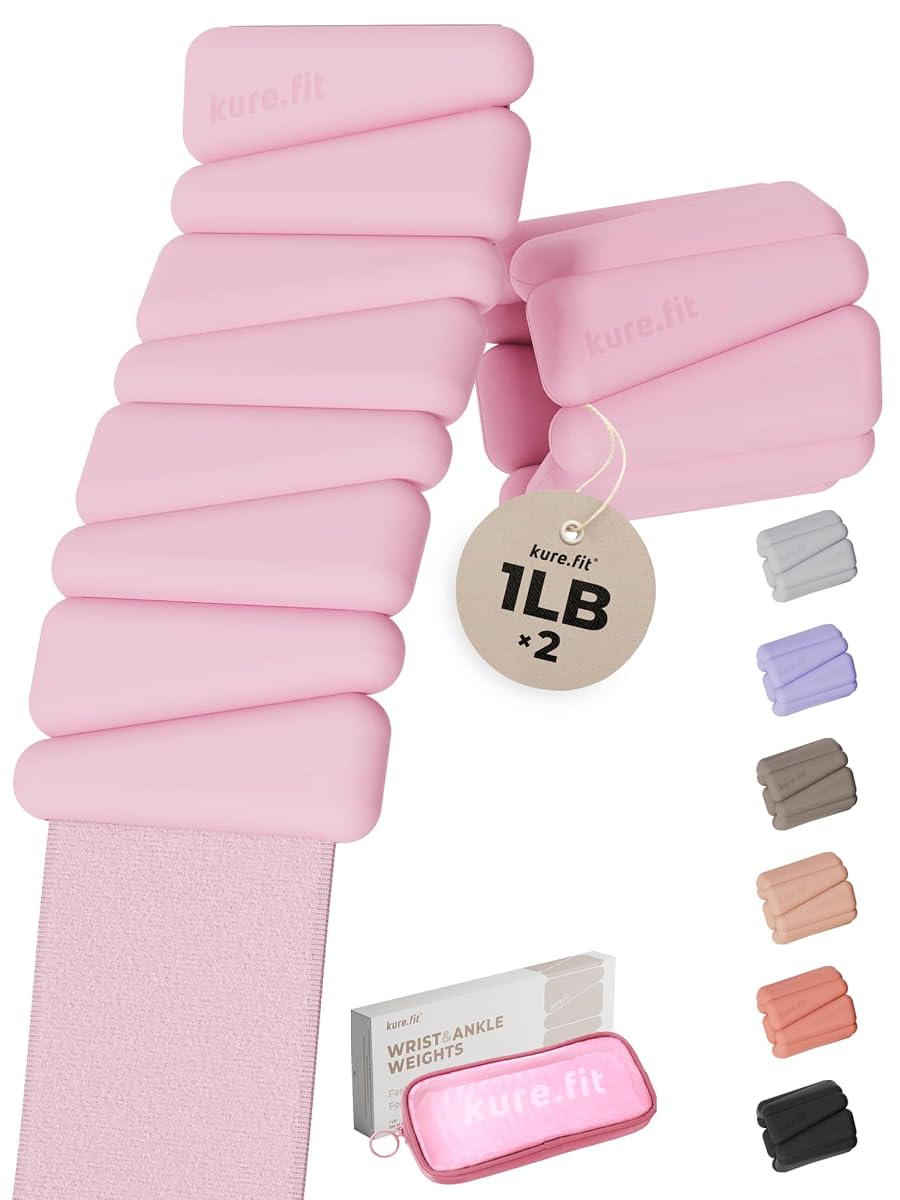
Bala Bangles (1lb pair)
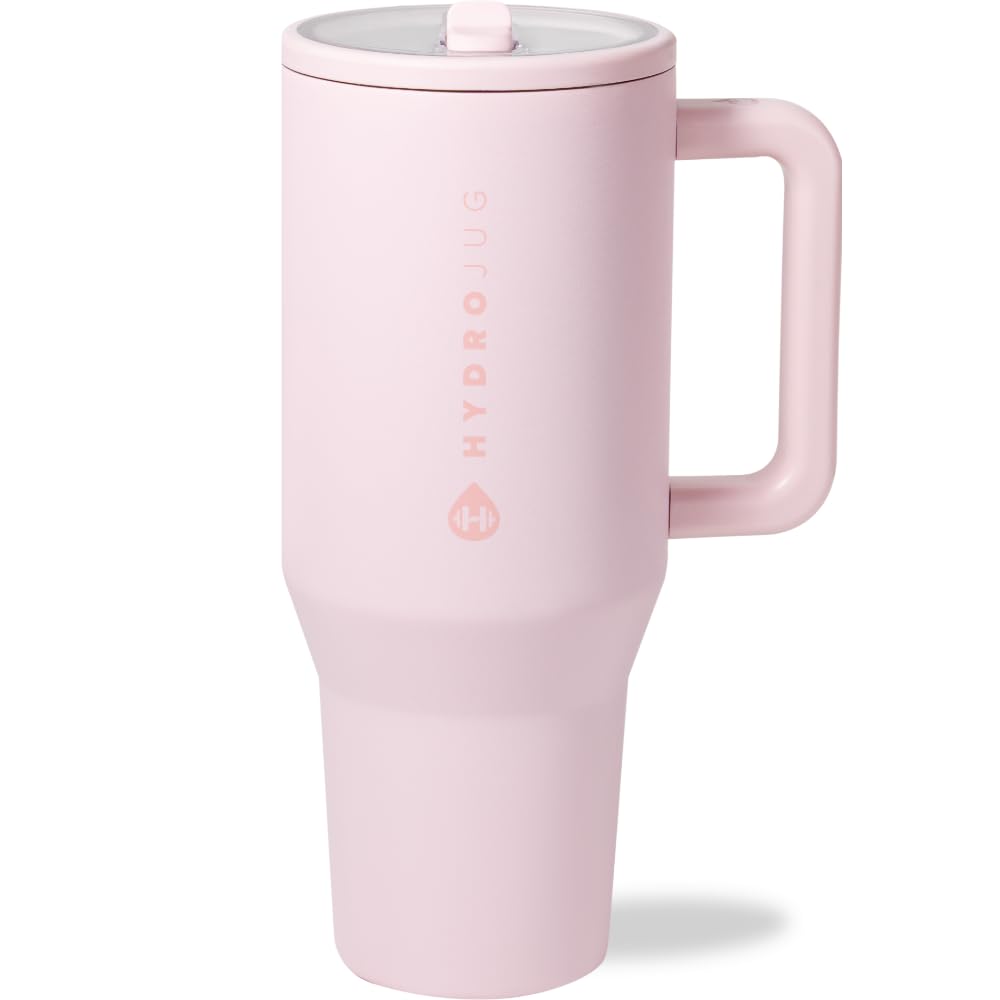
Hydro Flask 32oz Wide Mouth
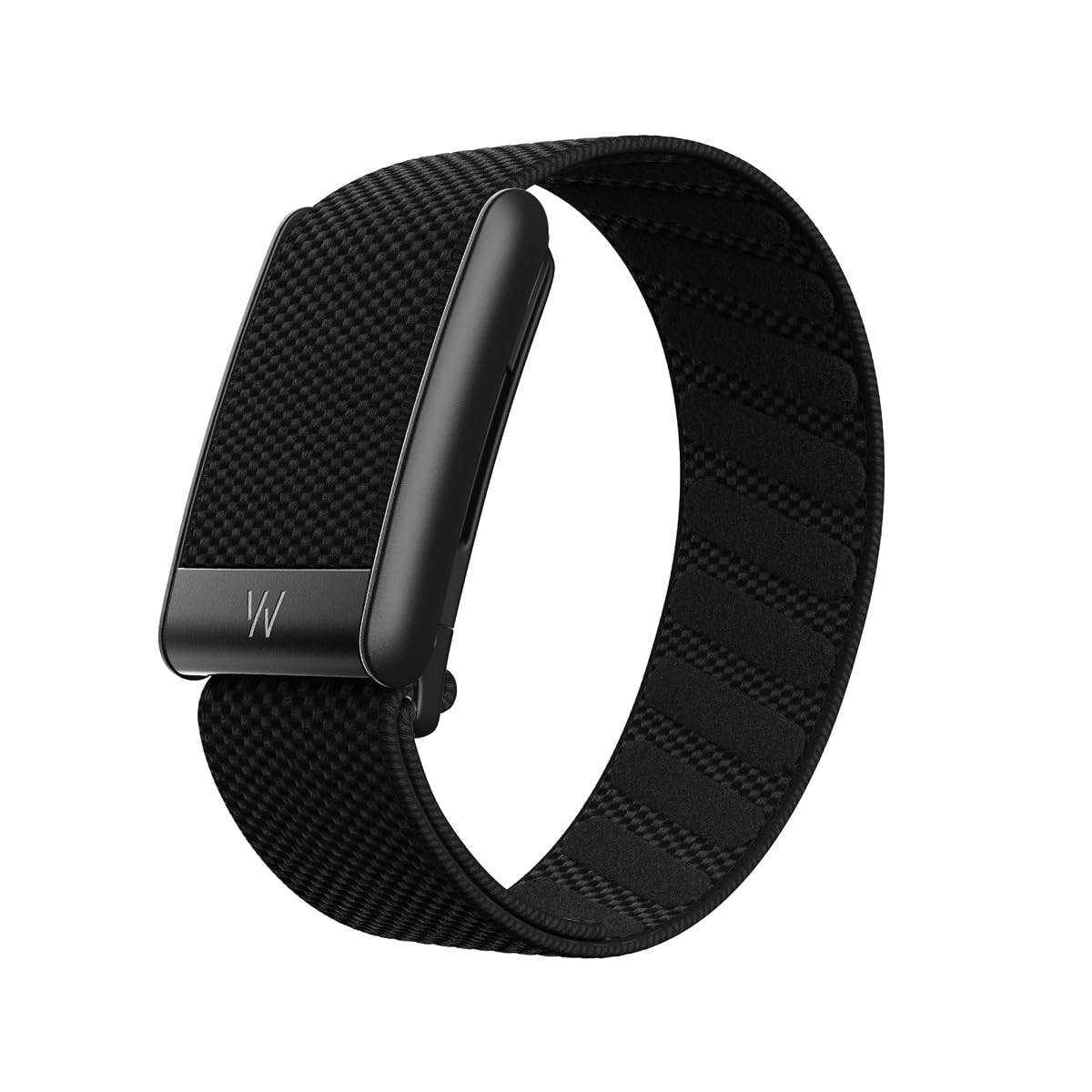
WHOOP 5.0 Activity Tracker
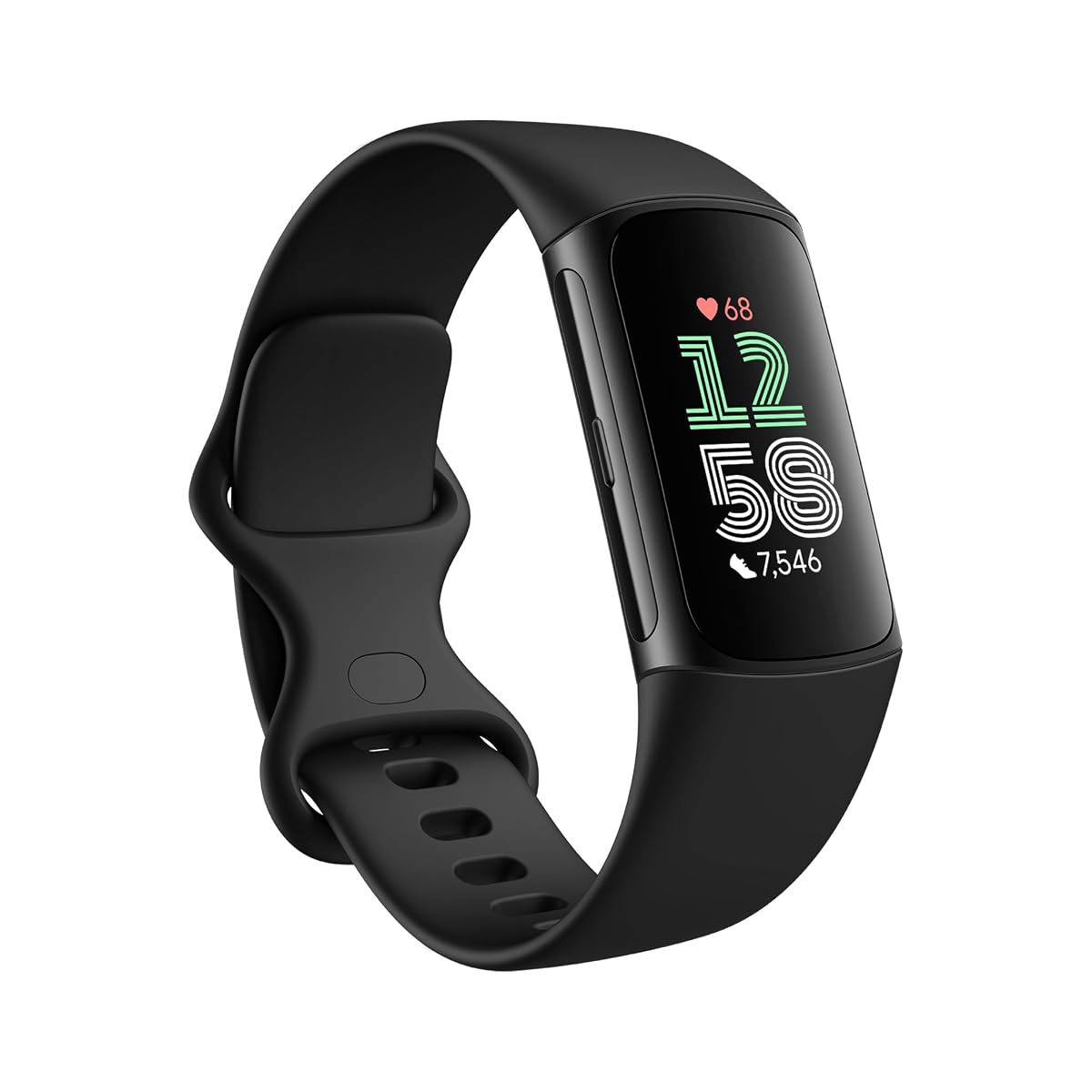
Oura Ring Gen 3
beingvela is reader-supported. Some links are affiliate links, we may earn a small commission at no extra cost to you.
Prices are snapshots and change over time.
Shop the Everyday Essentials
The tools and gear we actually use, curated and tested by our editors.
Browse essentialsGo deeper with a guide
Foundations of Strength
The beginner-friendly framework to build lifelong strength with just three movements, twice a week.
Read the guide GuideThe Sleep Reset
A 14-day protocol to fix your circadian rhythm, deepen your sleep, and help you wake up rested without relying on supplements.
Read the guide GuideEat for Energy
A practical nutrition guide to stabilise blood sugar, sharpen focus, and eat well without counting anything.
Read the guideKeep reading
 Longevity
Zone 2 Cardio: The Longevity Workout You're Skipping
The unsexy, low-intensity cardio that reshapes your mitochondria, drops resting heart rate, and adds years to your healthspan, done right, and done often.
 Longevity
VO2 Max: The Single Best Predictor of How Long You'll Live
A 2018 JAMA study found that low cardiorespiratory fitness carries more mortality risk than smoking, diabetes, and heart disease combined. Here's what VO2 max actually is, why it matters more than any other biomarker, and the training that reliably moves the number.
 Recovery
Sauna Protocols: What the Finnish Data Actually Shows
A 20-year study of 2,300 Finnish men found that frequent sauna use cut cardiovascular mortality nearly in half. Here's what the research actually says, the protocol that produced the effect, and why 'more heat is better' is dangerously wrong.