
Master Your Blood Sugar for Sustained Energy
Avoid the mid-afternoon crash and maintain laser focus throughout the day by understanding and optimizing your glucose response.

Every afternoon slump, every 3 p.m. sugar craving, every foggy Zoom call: most of them trace back to one thing. Your blood sugar is riding a rollercoaster you didn't sign up for, and the highs and lows are dictating how sharp, patient, and hungry you feel for the rest of the day.
The good news is that blood sugar is one of the most trainable systems in the body. You don't need to eliminate carbs, join a keto tribe, or count grams for the rest of your life. A handful of small, evidence-backed adjustments to what you already eat can flatten most of the volatility inside two weeks.
What actually happens after you eat
Carbohydrates break down into glucose, which enters your bloodstream. Your pancreas responds by releasing insulin, which shuttles that glucose into cells to be used or stored. The steeper the spike, the more insulin gets released, and the harder the crash that follows. That crash is what you experience as brain fog, sudden hunger, irritability, and the strange, non-negotiable desire for something sweet 90 minutes after lunch.
Some spike is normal and healthy. The goal isn't a flat line. The goal is to avoid the huge peaks and valleys that hijack your afternoon. A well-designed meal produces a gentle rise and a gentle return; a poorly designed one produces a mountain and a canyon.
Four small habits that flatten your curve
- Eat vegetables first, protein second, starch last. The fiber and protein slow how quickly glucose hits your bloodstream
- Walk for 10 minutes after any meal above 400 calories. Your muscles pull glucose from blood directly, without insulin
- Add 1 tablespoon of vinegar to your salad dressing. Acetic acid delays gastric emptying and blunts the post-meal spike by up to 30%
- Never eat carbs alone, always with fat or protein. A slice of bread with butter behaves very differently than a slice of bread on its own
None of these require cutting anything out. You're just changing the order and pairing of foods you already eat. Most people notice steadier energy within a week, and by three weeks, mid-afternoon cravings have often disappeared entirely.
The order-of-food trick, in more detail
If we had to pick one habit from that list, this one wins. Studies pairing continuous glucose monitors with identical meals eaten in different orders consistently show 30-70% lower peak glucose when fiber and protein precede starch. The mechanism is straightforward: vegetables create a mesh in the stomach that literally slows how fast starch reaches the small intestine, and protein triggers hormones that further delay gastric emptying.
The practical version: start your meal with the salad or roasted veg, then eat the chicken, then eat the rice or pasta. It feels strange for about three days and then becomes automatic.
Track it once, then trust the rules
You don't need to wear a continuous glucose monitor for the rest of your life. Two weeks of data is enough to learn which specific foods spike you personally. Because responses are surprisingly individual. One person's oatmeal is another person's white bread. Once you know your handful of personal offenders, the four habits above cover 90% of the day-to-day benefit without any device.
What to eat when you want to feel sharp for hours
A useful mental template for any meal where focus matters afterwards: half the plate non-starchy vegetables, a palm-sized portion of protein, a thumb of fat, and, only if you actually need it, a cupped-hand of complex carbs. Skip the sugary drink. Choose water or unsweetened tea. Walk for ten minutes as soon as you finish.
Do this before an important afternoon and you'll notice the 3 p.m. wall disappears. Do it consistently for a month and your baseline energy climbs to a level you'd forgotten was even available.
The mistakes that undo everything
Two habits sabotage most people. The first is liquid sugar, juice, sweetened lattes, kombucha with 14g of added sugar, cocktails, because liquids bypass every mechanical delay in your digestive tract and slam glucose in like an IV. The second is skipping breakfast and then eating a giant carb-heavy lunch. The overnight fast primes you for an outsized spike; a big bowl of pasta at 1 p.m. is a chemistry experiment you don't want to run.
Get the four habits stable, avoid those two traps, and you've done more for your energy than any supplement stack could deliver.
How to spot your personal blood-sugar offenders in two weeks
Glucose responses are surprisingly individual. Two people can eat the same bowl of oatmeal and one gets a gentle rise while the other spikes to 180. The only way to know your own list is to spend two weeks paying attention. You don't strictly need a continuous glucose monitor, though a two-week rental is genuinely eye-opening, you can get 80% of the same information by tracking your energy for 90 minutes after each meal on a 1-5 scale in a notes app. Foods that consistently produce a 3 or below at the 90-minute mark are the ones spiking and crashing you.
Common personal offenders that surprise people: white rice for some, oats for others, most 'healthy' granolas, morning fruit juice, and any wrap or sandwich made with a large tortilla. Once you've named your top three, you're not banning them forever. You're pairing them differently (add protein, add vinegar, walk after) or moving them to earlier in the day when your insulin sensitivity is highest. That's the whole game.
The morning that sets up a stable day
If you fix nothing else, fix breakfast. A high-carb, low-protein breakfast (bagel and orange juice, pastry and latte, sweetened cereal) sets a curve you're chasing for the next eight hours: mid-morning crash, mid-afternoon crash, evening cravings. A protein-forward breakfast (three eggs and greens, Greek yogurt with berries and nuts, tofu scramble) flattens the entire day's response, not just the morning's. Aim for 30g of protein before you touch caffeine. This one change eliminates 3 p.m. slumps for a majority of people inside a week. No other habit on this list has that hit rate.
Consider this a floor, not a ceiling. Get the four habits and the protein breakfast in place, and you'll have solved most of what people spend hundreds of dollars a month on supplements trying to fix.
Tools referenced in this piece
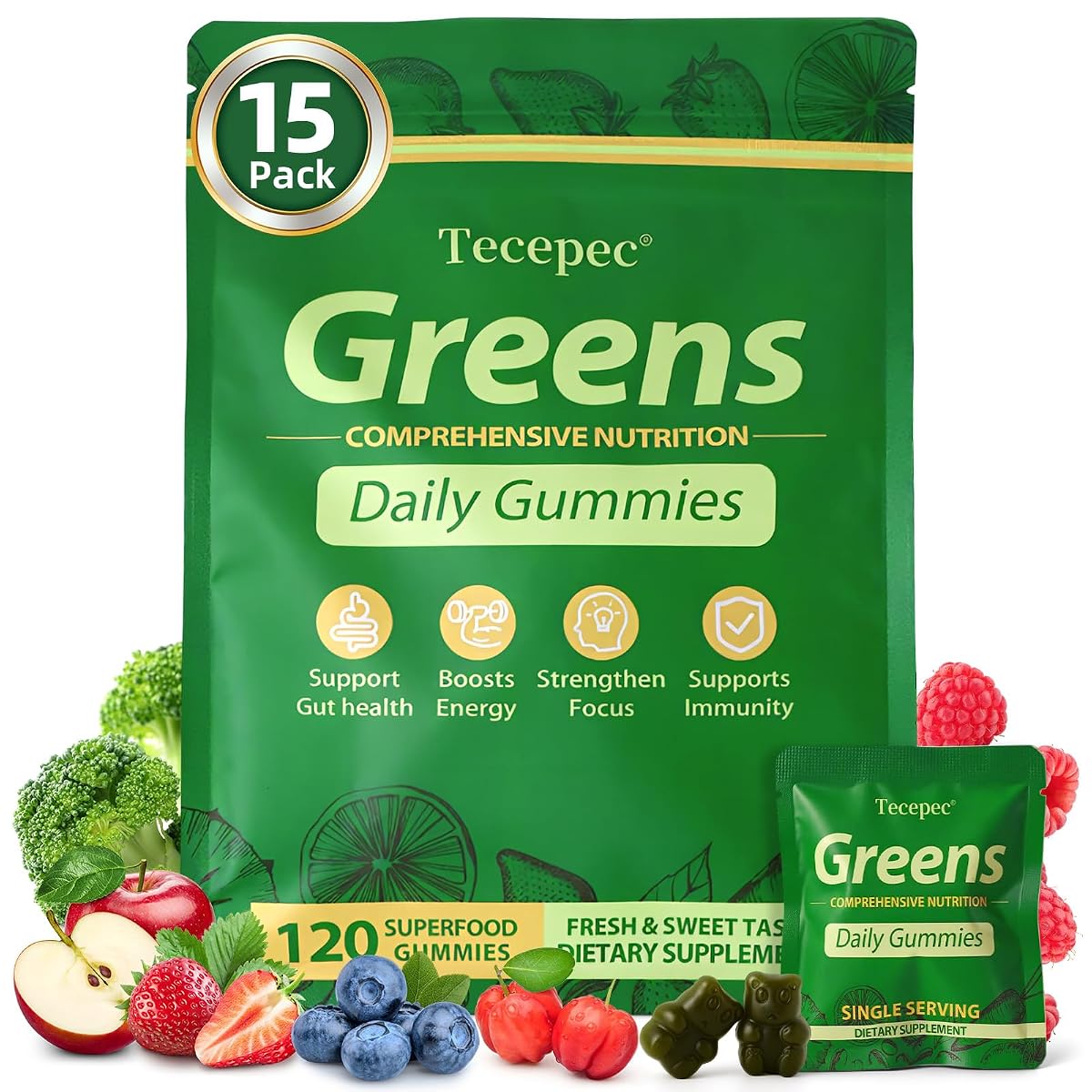
AG1 Athletic Greens (Travel Packs)
Hydro Flask 32oz Wide Mouth
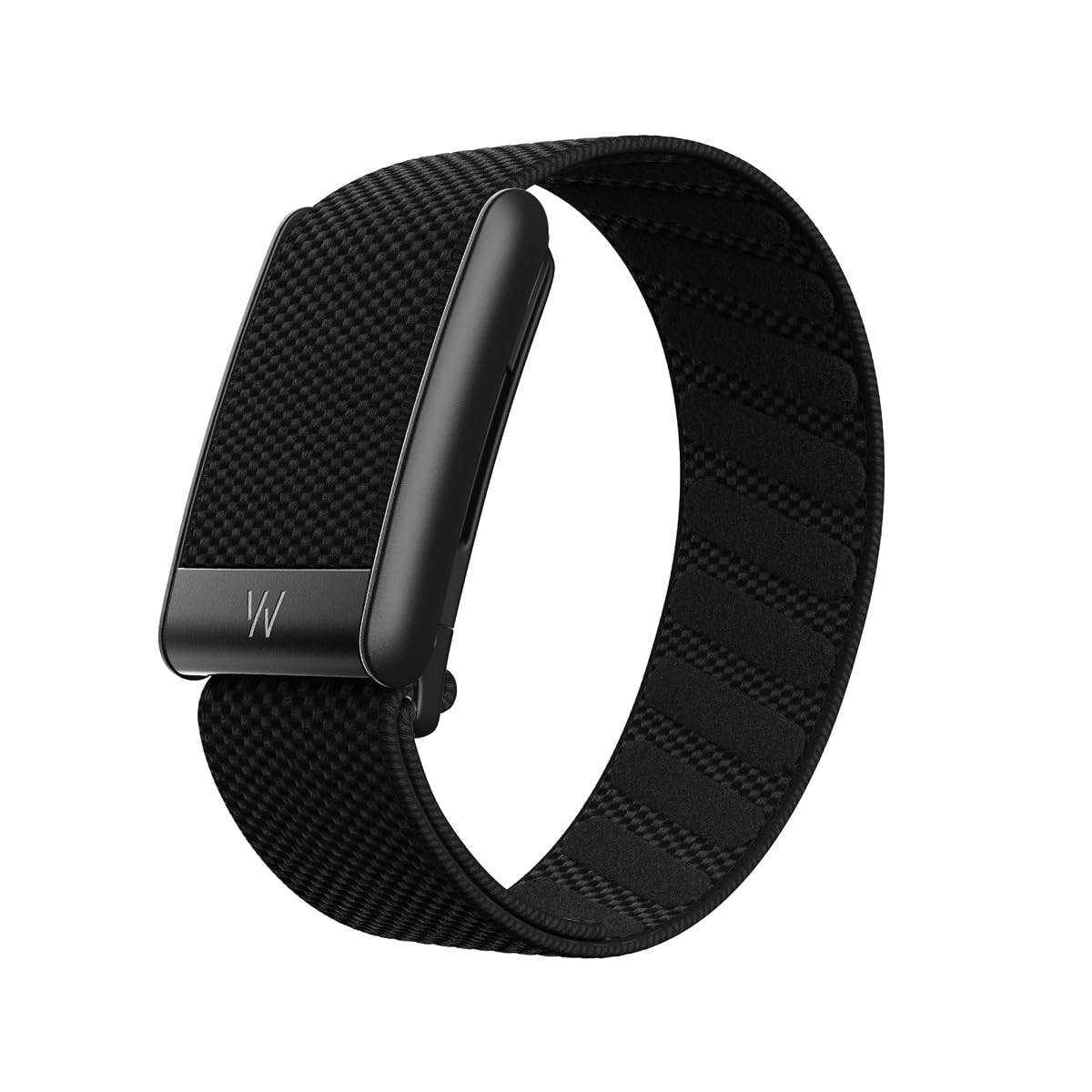
WHOOP 5.0 Activity Tracker
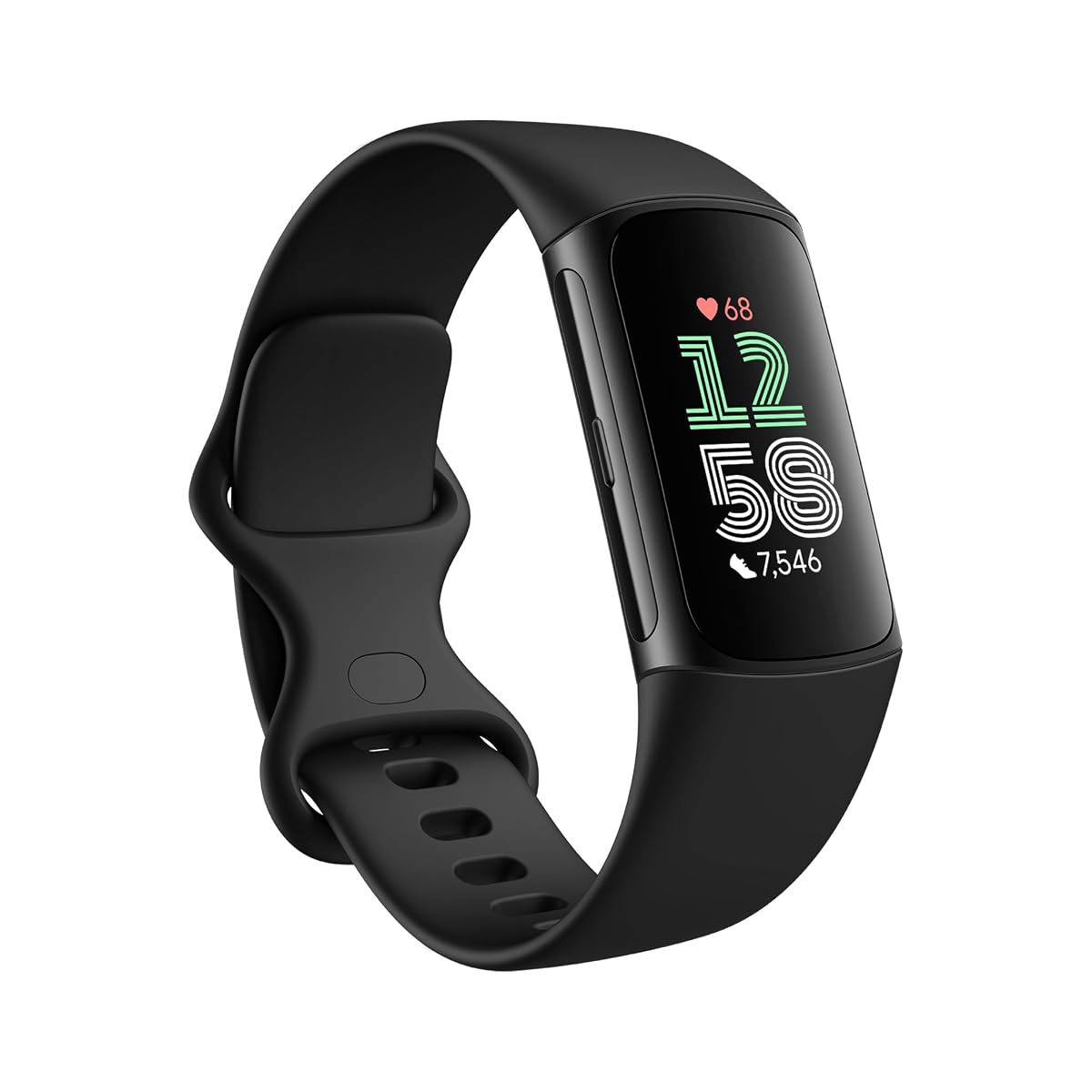
Oura Ring Gen 3
beingvela is reader-supported. Some links are affiliate links, we may earn a small commission at no extra cost to you.
Prices are snapshots and change over time.
Shop the Everyday Essentials
The tools and gear we actually use, curated and tested by our editors.
Browse essentialsGo deeper with a guide
Eat for Energy
A practical nutrition guide to stabilise blood sugar, sharpen focus, and eat well without counting anything.
Read the guide GuideThe Sleep Reset
A 14-day protocol to fix your circadian rhythm, deepen your sleep, and help you wake up rested without relying on supplements.
Read the guide GuideFoundations of Strength
The beginner-friendly framework to build lifelong strength with just three movements, twice a week.
Read the guideKeep reading
 Nutrition
Fiber: The Forgotten Nutrient Behind Half Your Health Problems
Ninety-five percent of adults don't hit the daily fiber target, and the downstream consequences show up as gut issues, blood sugar spikes, low energy, and stubborn weight. Here's what fiber actually does and how to hit 30+ grams a day without effort.
 Nutrition
Protein Timing: What Actually Matters (and What Doesn't)
The anabolic window is smaller than the supplement industry wants you to believe, and larger than most skeptics admit. Here's what the research actually says about when to eat protein.
 Nutrition
Eating Out Without Wrecking Your Week: A Field Guide
You don't need calorie math to eat well at restaurants. You need three or four repeatable orders per cuisine that you actually enjoy. Here's how to build them.