
Protein Timing: What Actually Matters (and What Doesn't)
The anabolic window is smaller than the supplement industry wants you to believe, and larger than most skeptics admit. Here's what the research actually says about when to eat protein.

Protein timing is one of those nutrition topics where the internet has managed to be both hysterical and dismissive at the same time. In one corner: the shake-immediately-after-lifting crowd, convinced that a missed 30-minute window will erase the workout. In the other: the it's-all-about-total-daily-protein crowd, insisting timing is a marketing invention. Both are partially right and mostly wrong, and the truth turns out to be more useful than either extreme.
The last decade of research has settled the question more clearly than most people realize. Timing matters, but not in the panicked minute-by-minute way the supplement industry sells it. It matters in the same boring, structural way that most nutrition matters: through daily patterns that are easy to hit if you know what you're aiming for, and easy to miss if you don't. Here's what the actual literature, not the Instagram version, says about when to eat protein for muscle growth, recovery, and satiety.
The anabolic window, properly sized
The idea of a 30-minute post-workout 'anabolic window' comes from a handful of studies in the early 2000s that showed rapid protein synthesis in the hours after resistance training. Those studies were real. The 30-minute number was a marketing extrapolation. Follow-up research using more careful methodology has consistently shown the window is more like 3-6 hours on either side of a workout, a much wider band that dramatically changes what you should actually do about it.
The practical implication: if you eat a protein-containing meal within 2-3 hours before training and another within 2-3 hours after, you've captured essentially all of the timing benefit that exists. There is no meaningful advantage to slamming a shake in the parking lot before the sweat is dry. There is a meaningful disadvantage to training fasted and then not eating for another five hours because you got busy.
Total daily protein still wins
If you had to rank the levers that determine muscle growth, they'd sort like this: 1) total daily protein, 2) sufficient training stimulus, 3) distribution across meals, 4) post-workout timing, 5) everything else. The first two are 80% of the outcome. The next two are the polish. If you're not hitting your daily protein target, roughly 0.7-1.0 g per pound of goal bodyweight for people who train, then obsessing over the post-workout window is like arguing about paint colors on a house with no foundation.
The daily target is the number to defend first. For a 160-pound person, that's 110-160 g of protein per day. For most people, that's more than they think, and dramatically more than they're currently eating. The most common failure mode is a coffee-and-toast breakfast, a mediocre-protein lunch, and then trying to make up the entire day at dinner. It doesn't work, for reasons we'll get to.
"You cannot out-time a low-protein diet, and you cannot out-supplement a poorly-timed one. Total intake and even distribution, that's the whole game."
, Dr. Stuart Phillips, muscle metabolism researcher
The distribution question
Here's where timing genuinely does matter. Muscle protein synthesis has a threshold: roughly 25-40 g of high-quality protein at once, containing 2.5-3 g of leucine (the amino acid that flips the anabolic switch). Below that threshold, protein synthesis barely responds. Above it, it maxes out, eating 80 g in one sitting doesn't produce more muscle than eating 40 g, it just produces more expensive urine.
Which means the shape of your day matters. Four meals of 30 g each will build measurably more muscle than one meal of 120 g, even at the same total intake. The mechanism is that each meal of 25-40 g triggers a fresh protein-synthesis event lasting 3-5 hours, and spacing those events across the day gives you more anabolic time than compressing them. This is the timing rule that actually matters, and it's the one the internet talks about least.
- Breakfast: 30-40 g (eggs + Greek yogurt, or a protein smoothie)
- Lunch: 30-40 g (chicken, fish, tofu, or beans + grain)
- Snack: 20-30 g if there's a long gap (cottage cheese, jerky, protein shake)
- Dinner: 30-40 g (any protein + vegetables + starch)
- Optional pre-bed: 20-30 g slow-digesting protein (Greek yogurt, cottage cheese, casein) if training hard
Around training specifically
For someone lifting seriously 3-5 times per week, the pre- and post-workout meals are the two most valuable protein events of the day. Not because they're magic, but because trained muscle is more sensitive to amino acids for hours after a session, the same 30 g of protein does more work when it lands on a stimulated muscle than on a resting one.
The practical protocol: eat a meal with 30-40 g of protein and some carbs 1-3 hours before training. Eat another meal with 30-40 g of protein and carbs within 2 hours after training. That's it. If you can only manage one, prioritize the post-workout meal. If you trained fasted, prioritize hitting protein and carbs within 60-90 minutes after. If you always train after eating a normal meal and follow it with another meal later, you're already doing the protocol without thinking about it.
Fasted training and protein timing
Fasted training has genuine metabolic benefits for fat oxidation and insulin sensitivity, but it does place higher priority on the post-workout meal. When you train fasted, muscle protein breakdown climbs during the session, and net muscle growth depends on eating within a reasonable window afterward. 'Reasonable' here means 1-2 hours, not 15 minutes, but not 5 hours either. If you fast-trained and then didn't eat until dinner because a meeting ran long, you've meaningfully blunted the training stimulus.
The workaround for people who genuinely love fasted training and can't always eat soon after: an intra-workout amino acid drink (5-10 g of essential amino acids or 3 g of leucine) preserves most of the muscle-building signal without breaking the fast in any meaningful metabolic sense. It's not necessary if you can eat within 90 minutes. It's useful insurance if your schedule is unpredictable.
The pre-bed question
Should you eat protein right before bed? The research says yes, for one specific reason: overnight is the longest fasting window in the day, and giving your muscles a slow drip of amino acids during sleep meaningfully improves overnight protein synthesis. Studies using casein, a slow-digesting milk protein, 30 minutes before sleep have consistently shown better muscle gains than the same daily protein without the pre-bed dose.
The catch: it only matters if you're training hard and near your genetic ceiling for muscle growth. For a beginner or intermediate trainee eating enough protein at four meals, the pre-bed dose is a small nudge, not a game-changer. For an advanced lifter squeezing the last few percentage points out of the system, it's worth the 20 g of cottage cheese. For most readers of this post, hitting 30 g at breakfast is a much bigger fix than adding a snack at bedtime.
What doesn't matter
A quick list of things you can stop worrying about. The exact minute you consume your post-workout shake. Whether your protein comes from whey, casein, egg, soy, or a blended source (all work at sufficient dose). Whether you take BCAAs (if you're hitting daily protein, they add nothing). Whether you 'front-load' or 'back-load' protein in the day (only distribution across 3-5 meals matters). Whether you consume protein with or without carbs post-workout (matters marginally for glycogen replenishment, not for muscle growth).
The industry sells complexity because complexity sells. The actual protocol is boring, and it works: hit your daily total, spread it across 3-5 meals of at least 25-30 g each, eat one of those meals near your training session, and stop reading blog posts about protein timing.
The one-line version
Total daily protein is 80% of the answer. Distribution across 3-5 meals with 25-40 g each is most of the remaining 20%. Pre- and post-workout meals within 2-3 hours capture the timing effect that exists. Everything else is noise dressed up as science by companies selling powder.
Tools referenced in this piece

LMNT Zero Sugar Electrolytes, Watermelon Salt (30-count)
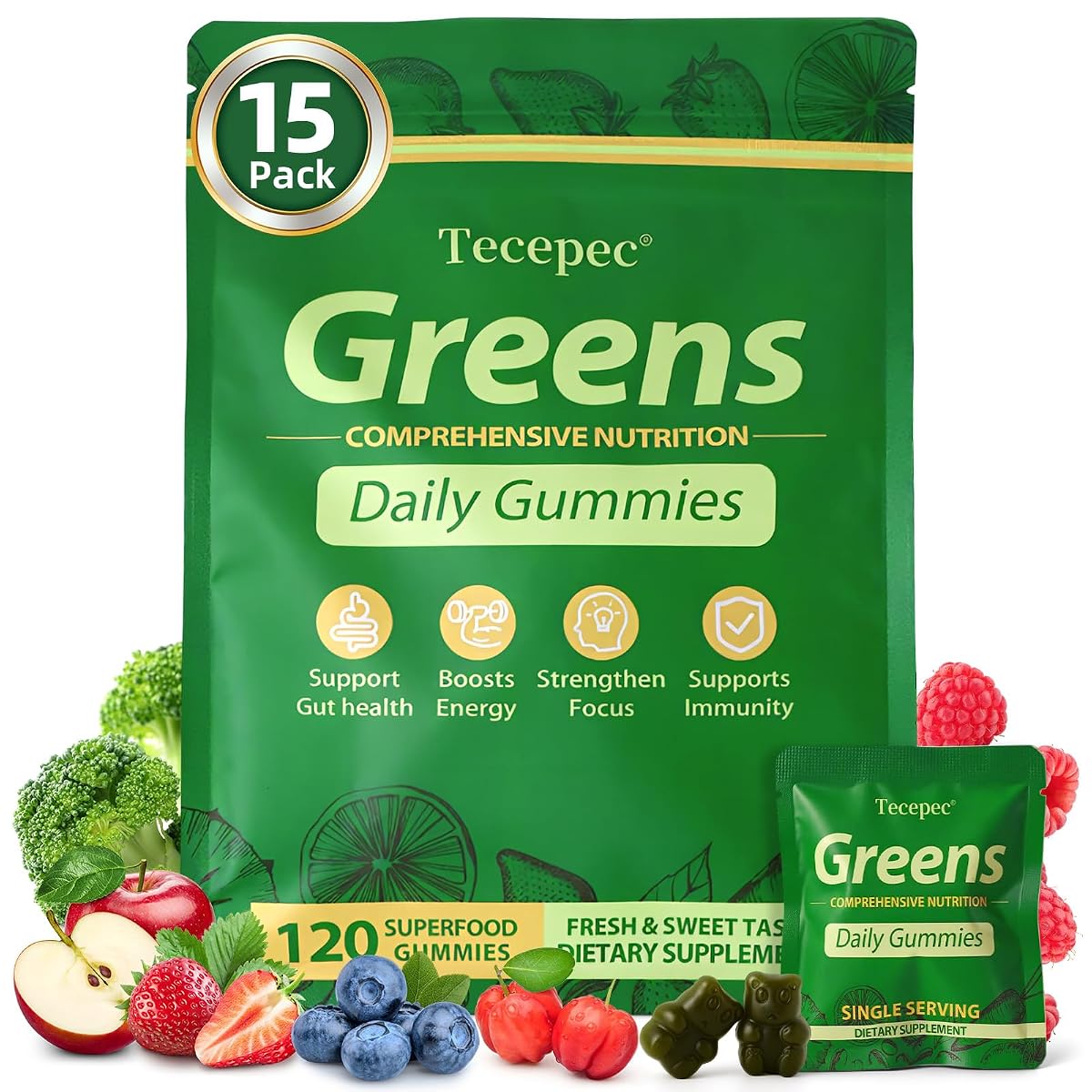
AG1 Athletic Greens (Travel Packs)
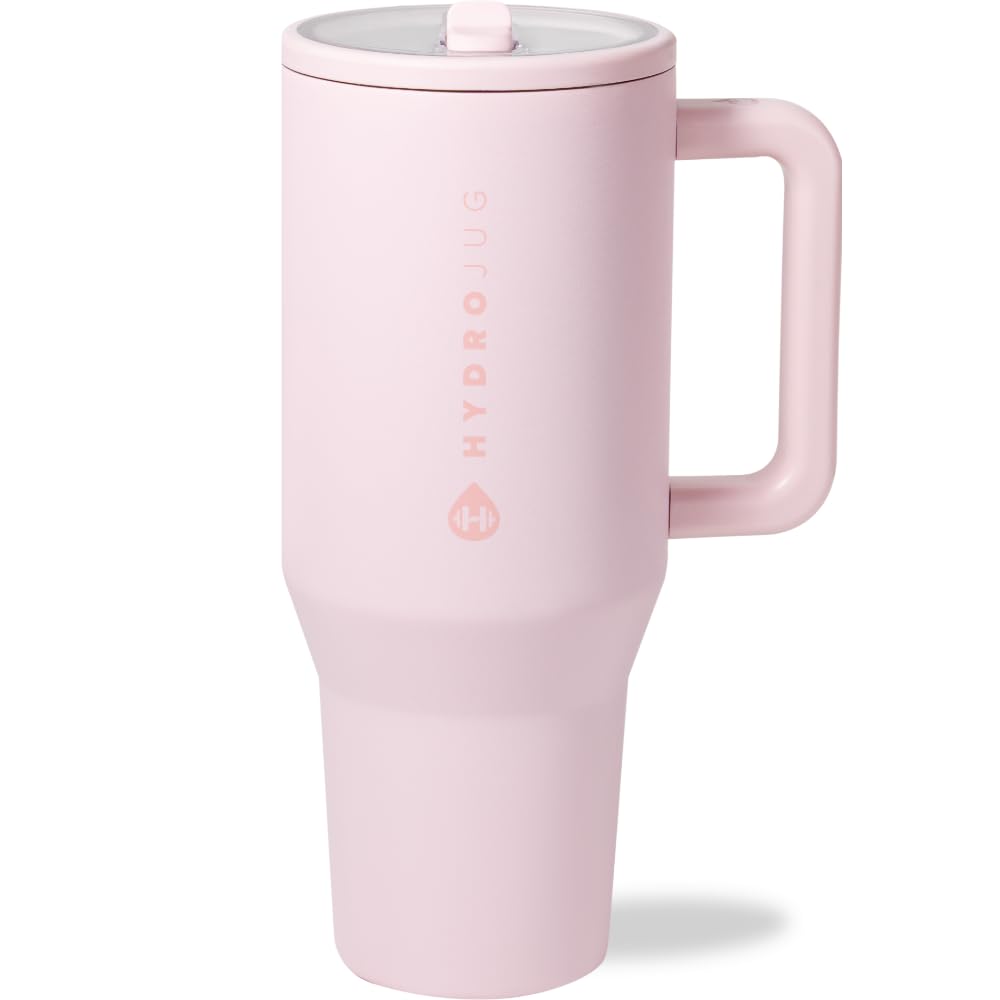
Hydro Flask 32oz Wide Mouth
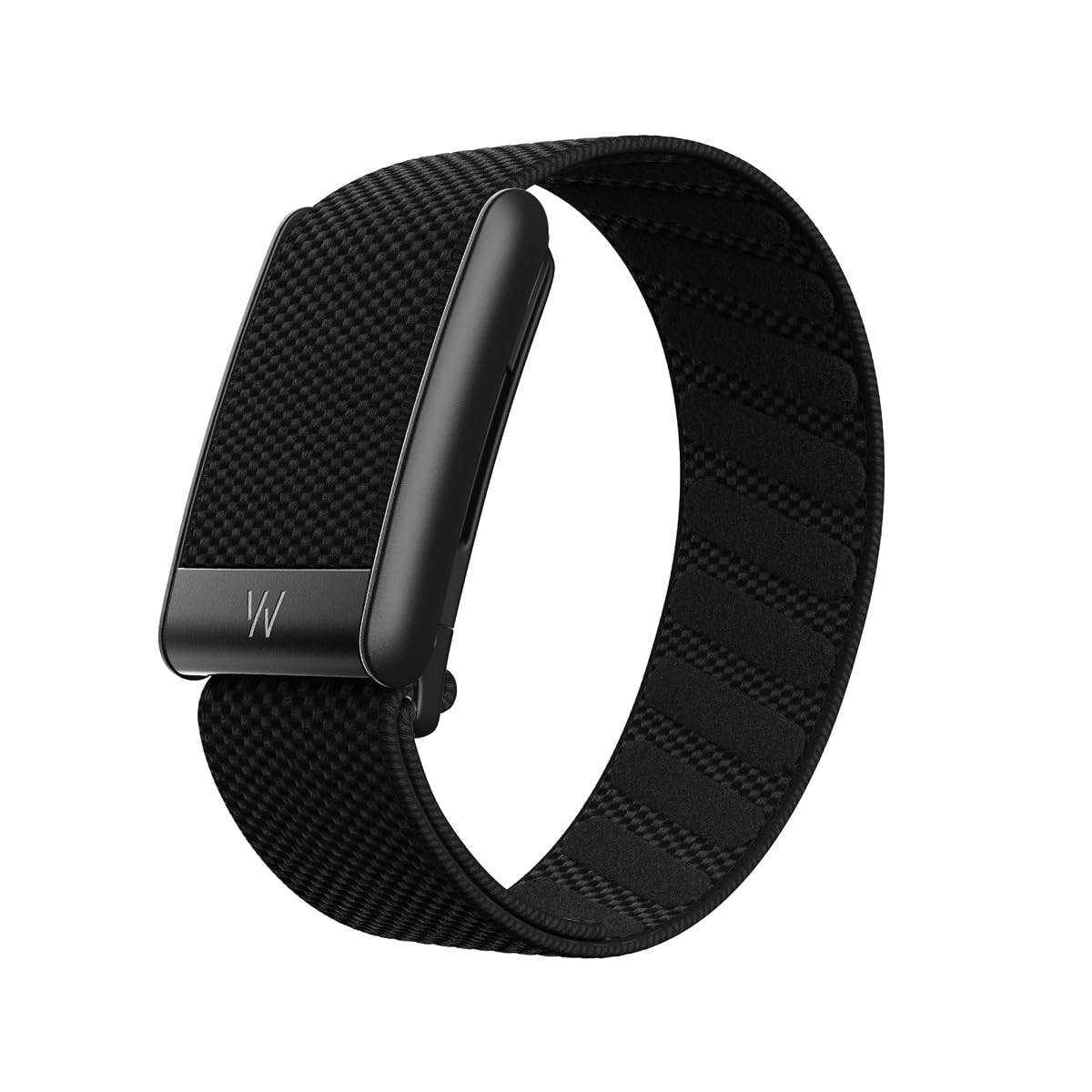
WHOOP 5.0 Activity Tracker
beingvela is reader-supported. Some links are affiliate links, we may earn a small commission at no extra cost to you.
Prices are snapshots and change over time.
Shop the Everyday Essentials
The tools and gear we actually use, curated and tested by our editors.
Browse essentialsGo deeper with a guide
Foundations of Strength
The beginner-friendly framework to build lifelong strength with just three movements, twice a week.
Read the guide GuideEat for Energy
A practical nutrition guide to stabilise blood sugar, sharpen focus, and eat well without counting anything.
Read the guide GuideThe Sleep Reset
A 14-day protocol to fix your circadian rhythm, deepen your sleep, and help you wake up rested without relying on supplements.
Read the guideKeep reading
 Recovery
Post-Workout Recovery: The 20-Minute Window That Actually Matters
The 'anabolic window' isn't 30 minutes wide, and it isn't about protein powder. Here's what the last decade of recovery research actually says, and what to do in the hour after training.
 Nutrition
Eating Out Without Wrecking Your Week: A Field Guide
You don't need calorie math to eat well at restaurants. You need three or four repeatable orders per cuisine that you actually enjoy. Here's how to build them.
 Recovery
The 5-4-3-2-1 Deload: A Simple Weekly Rhythm That Prevents Overreach
Athletes deload every few weeks. Knowledge workers train year-round without one and wonder why November feels like collapse. Here's a weekly framework that combines training and work stress into one rhythm.