
The Digital Sunset: How to Actually End Your Workday
Remote work erased the commute that used to close your workday. Here's a 20-minute ritual that recreates the psychological boundary, and why your evenings depend on it.
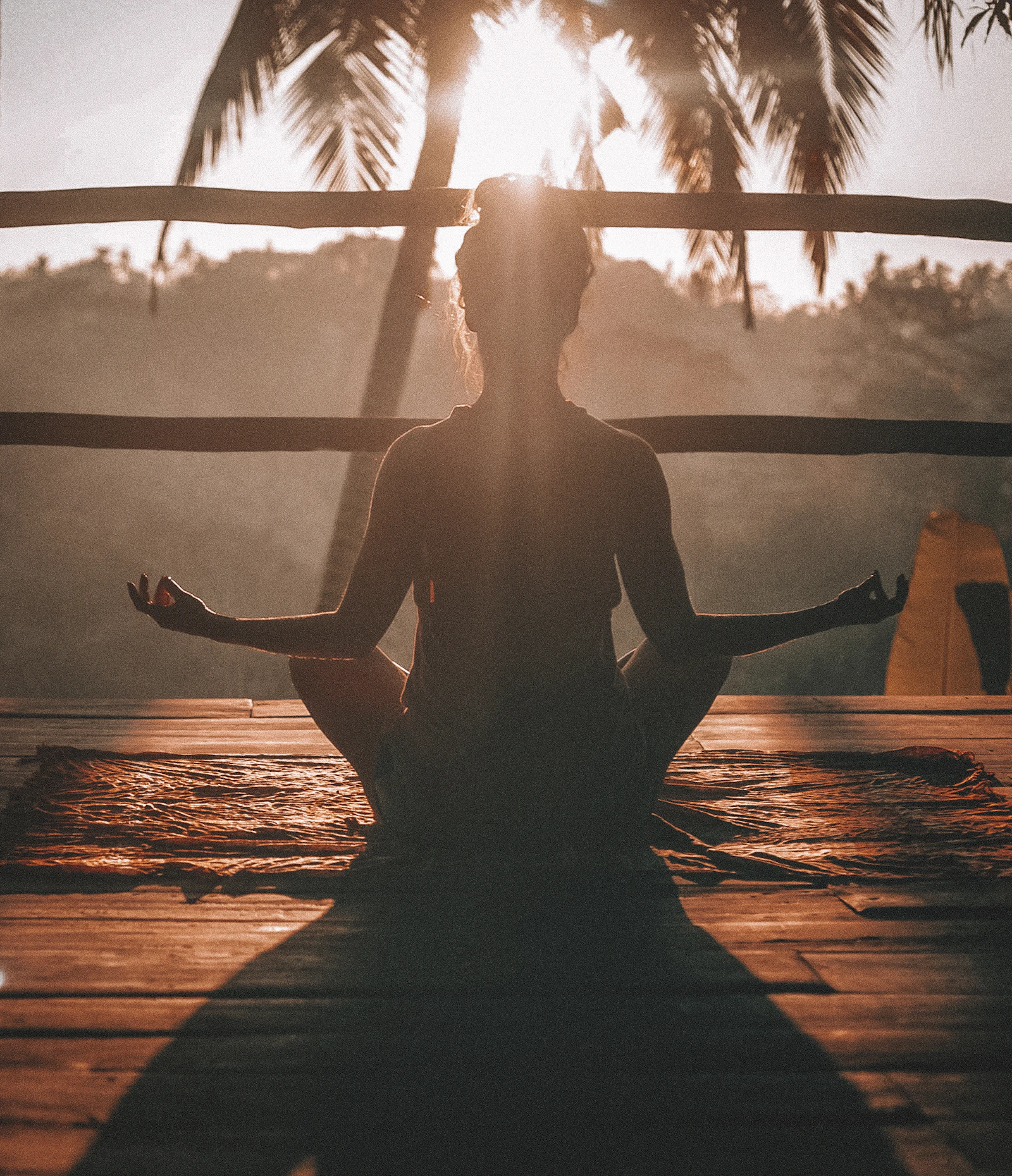
There used to be a physical, unavoidable event that ended the workday: you stood up, walked out of a building, sat on a train or in a car for 30 minutes, and arrived home a slightly different person than the one who'd been at work. The commute wasn't just transportation. It was a decompression chamber, a mental airlock between two versions of you. Remote and hybrid work quietly deleted that chamber and never replaced it, and most of us are still trying to figure out why our evenings feel worse than they used to.
The problem isn't that we work more hours (though many people do). It's that the work never ends. It bleeds into dinner, sits on the couch with you, sends a Slack notification during a movie, and lies next to your bed. Without a defined ending, work becomes ambient, a low-grade tension you carry into the parts of your life that were supposed to be for something else. What you need isn't more discipline. You need a ritual that closes the day. This post is one that works, and takes about 20 minutes.
Why an ending has to be physical, not just calendar-based
'I'll stop working at 6' is an intention, not an ending. The brain doesn't respond to a time on a clock, it responds to environmental cues that mark a state change. The old commute worked because it stacked half a dozen of those cues: standing up, packing a bag, walking through a door, riding a vehicle, greeting people, arriving home. Any one of them wouldn't have been enough. The sequence, done every day, is what trained the nervous system that work was over.
A digital sunset ritual has to do the same job with different materials. The specific activities matter less than the fact that you do them in the same order, every day, at roughly the same time. Within two weeks, your brain will start winding down when the ritual begins, the same way it starts producing saliva when you hear the coffee grinder in the morning. This is classical conditioning applied to your own life, and it works whether you believe in it or not.
The 20-minute ritual
The version below is a starting template. Modify it to fit your life, but keep the structure: a review, a shutdown, a physical break, and a re-entry. Skip any of the four and the ritual loses most of its power.
Minutes 1-5: The workday review
Open a notebook or a single doc. Write three things: what got done today, what didn't get done that mattered, and the one most important thing to do tomorrow morning. That's it. This step does two jobs. First, it gives your brain the closure it's been chasing all day, the sense that work has been processed, not just paused. Second, it removes the biggest reason people can't stop thinking about work at 9 p.m.: the fear that they'll forget something important. Written down, the fear evaporates.
Minutes 6-10: The shutdown
Close every browser tab. Quit Slack. Quit email. Not minimize, not mute, quit. Put your laptop away in a drawer or a bag if you can. If you work from a desk in a shared space, at least turn the monitor off and put a cloth over the keyboard. The point is that the workstation stops looking like a workstation the moment the ritual is done. When it's still visible in the corner of your eye during dinner, part of you is still at work.
The controversial part: put your phone somewhere else too. Not on the couch, not in your pocket, not face-down on the counter, in a different room, or in a drawer. Most people massively underestimate how much of their evening restlessness is caused by a phone that's technically nearby, quietly promising to deliver a notification any moment. Physical distance is what actually breaks the loop. You'll get the phone back in an hour. The world will survive.
Minutes 11-15: The physical break
Move your body for five minutes. Walk around the block, do a few sun salutations on the living-room floor, dance in the kitchen, put on a song and stretch. The specifics don't matter. What matters is that you physically leave the space and the posture you've been in for eight hours. This is the closest analog to the commute, a physical relocation that tells your nervous system 'the work state is over.'
Bonus points if you can get outside for even three of those five minutes. Evening light, especially at sunset, gives your circadian system a gentle signal that the day is ending, the mirror image of the morning-light signal that starts it. If you got morning sun and you get evening sun, your sleep will be noticeably better within a week, without changing anything else.
Minutes 16-20: The re-entry
Do one small thing that has nothing to do with work and belongs entirely to the evening version of your life. Start dinner. Play with a kid. Read a page of something. Water the plants. Call someone. The activity is a marker: 'the person who does this is off duty.' Over weeks, the brain starts to associate this specific first-thing-after-work activity with the transition, and it happens automatically. You'll stop feeling like you're 'still at work' during dinner because you're not, you've already been someone else for 20 minutes by then.
The evening environment that supports it
Two environmental upgrades make the ritual dramatically easier to sustain. First: light. Bright overhead lights at 8 p.m. keep your brain in daytime mode. Switch to warmer, dimmer lamps in the evening, the whole apartment feels different, and so does your nervous system in it. This is the single easiest change most people can make, and the effect on wind-down quality is out of proportion to the effort.
Second: air. This one sounds odd until you notice it. Bedroom and living-room air that's been recirculating through a closed apartment all day is meaningfully worse to sleep and unwind in than air that's been filtered. It's not dramatic, you won't gasp at the difference, but people who add a quiet air purifier to their evening space consistently report better sleep and less morning congestion within a week. It's an invisible upgrade that compounds.
What breaks the ritual, and how to survive it
Every good closing ritual gets broken by the same three things: a late-day email that feels urgent, a boss or client in a different time zone, and evening events. Two rules that keep the habit alive.
Rule one: the ritual runs regardless. If a genuine emergency requires you to work at 9 p.m., do it, but the ritual still happens at 6, and the 9 p.m. work is a discrete second block, not an extension of the day. The distinction sounds semantic. It isn't. The nervous system experiences 'one long workday' completely differently from 'a workday, an evening, and then a brief focused block.' The ritual creates the boundary that lets the second thing exist without eating the first.
Rule two: shrink the ritual on hard days, don't skip it. A two-minute version, three lines in a notebook, close the laptop, walk to the mailbox, pour a glass of water, is worth infinitely more than a skipped 20-minute one. Consistency of the ritual matters more than completeness of any single execution. That's true of every habit worth building, and it's especially true of this one, because the psychological function is 'daily proof that work has an ending.' Missing that proof is what erodes evenings back into work.
The one-line version
Review the day on paper. Close the tools and put them out of sight. Move your body outside for five minutes. Start doing something that belongs to the evening. Twenty minutes, done in the same order every day. Two weeks later, you'll have your evenings back, and you'll notice, faintly, that you're doing better work during the day too, because the workday finally has a shape instead of dissolving into the rest of your life.
Tools referenced in this piece
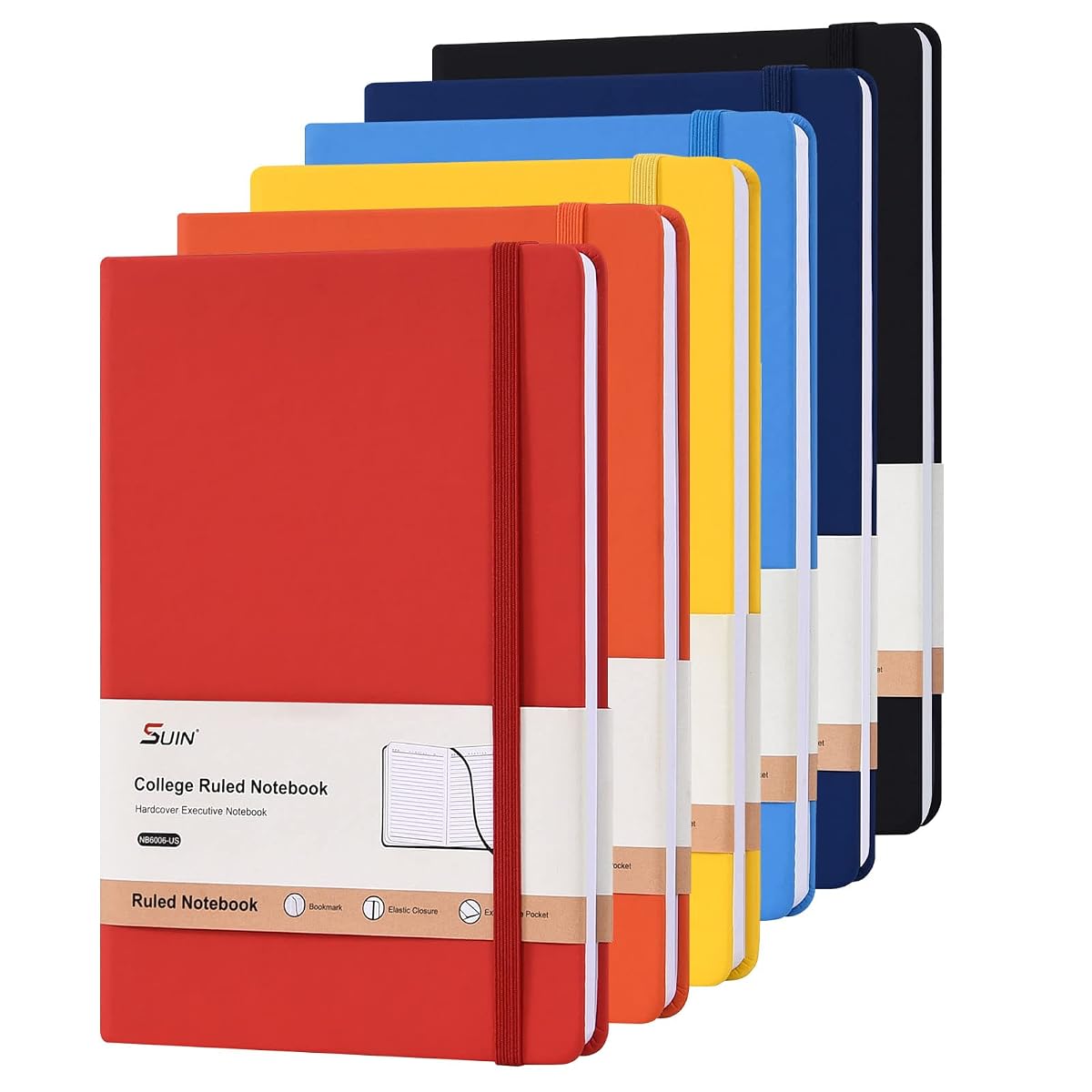
The 5-Minute Journal
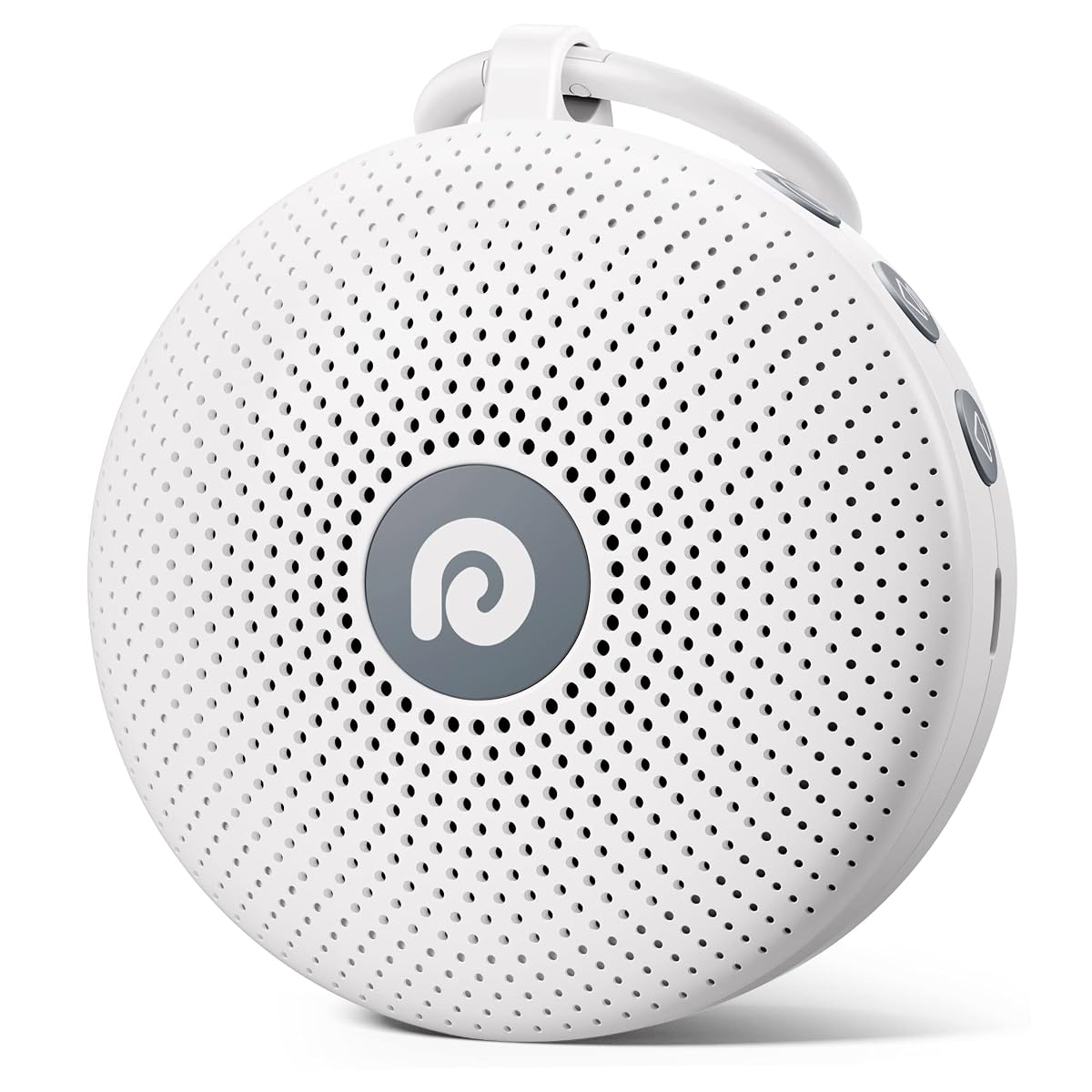
Hatch Restore 3 Sunrise Alarm
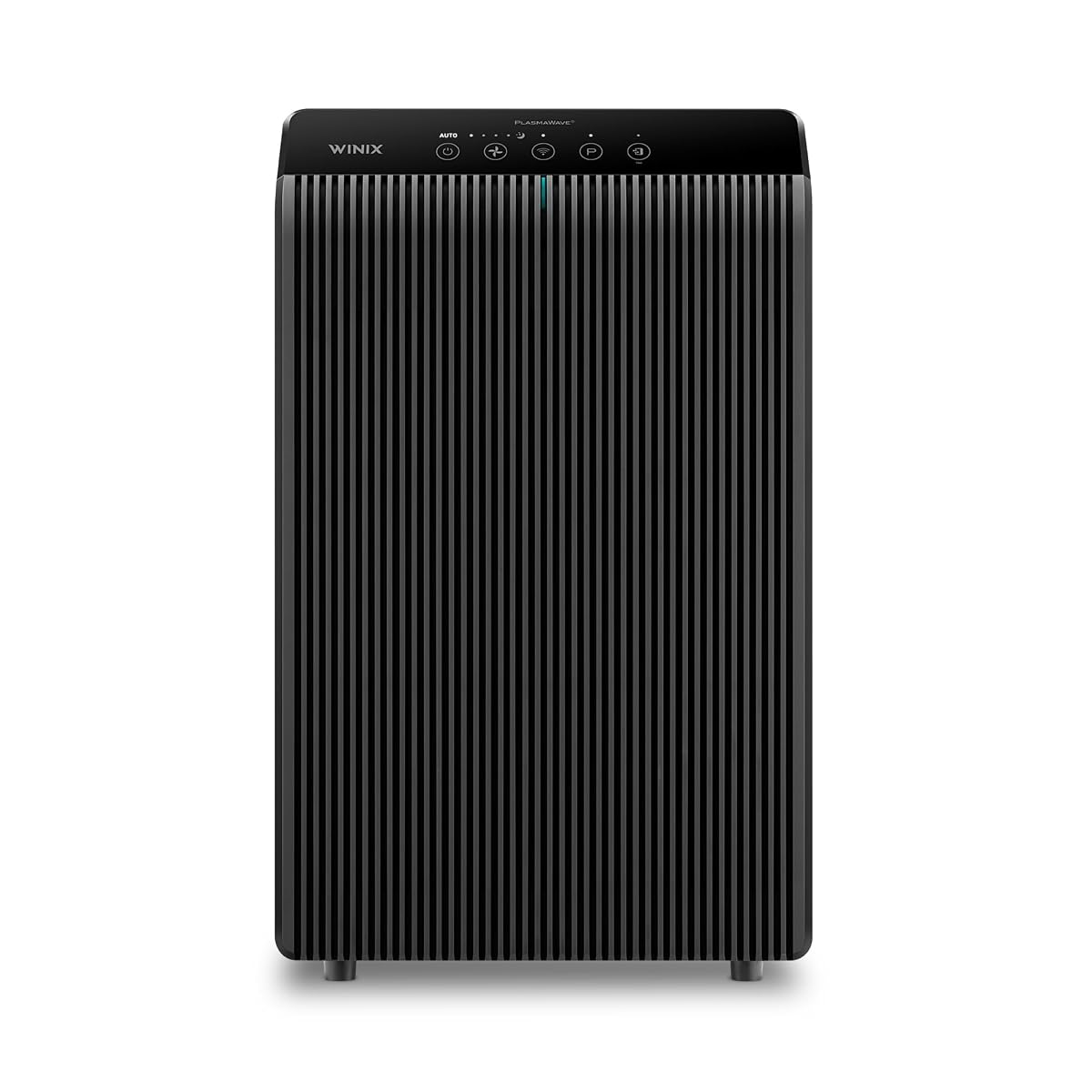
Blueair Blue Pure 511i Max
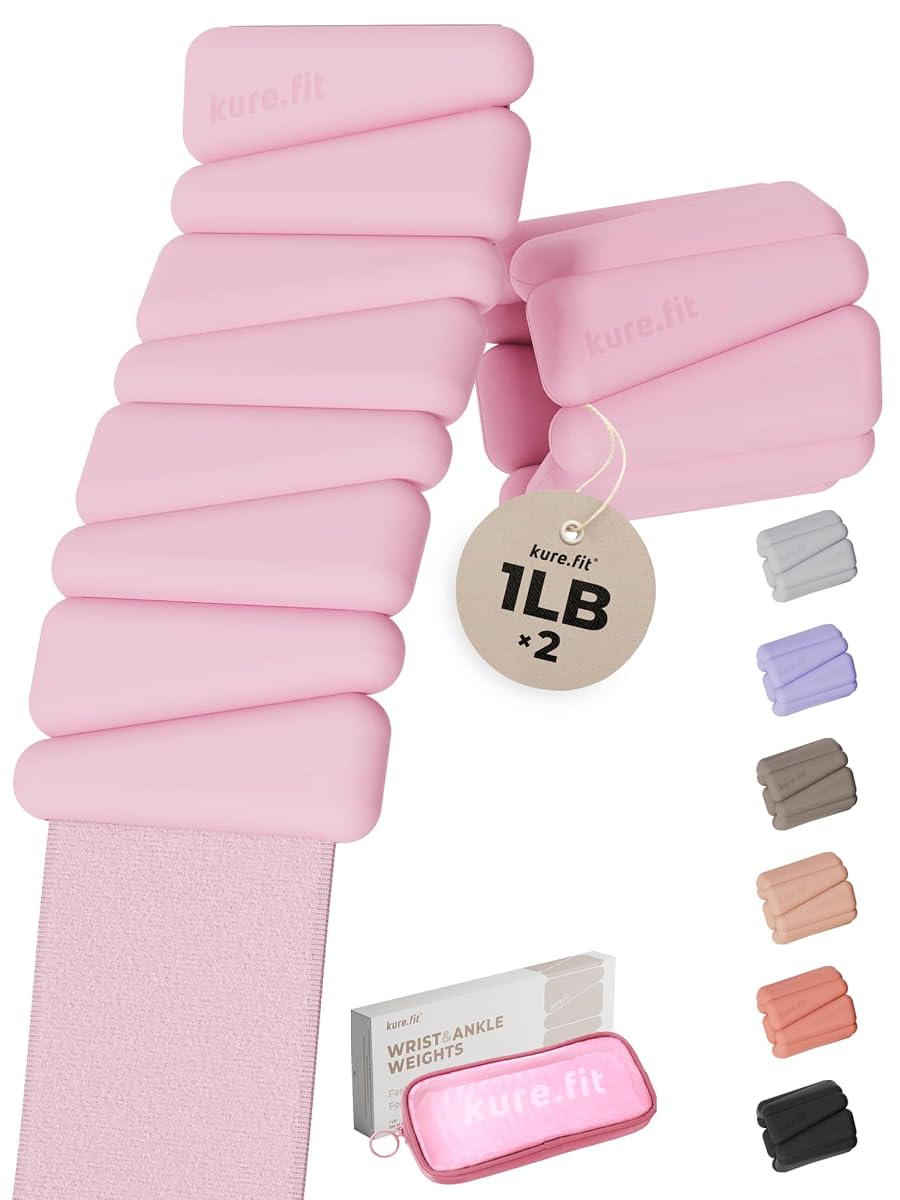
Bala Bangles (1lb pair)
beingvela is reader-supported. Some links are affiliate links, we may earn a small commission at no extra cost to you.
Prices are snapshots and change over time.
Shop the Everyday Essentials
The tools and gear we actually use, curated and tested by our editors.
Browse essentialsGo deeper with a guide
The Sleep Reset
A 14-day protocol to fix your circadian rhythm, deepen your sleep, and help you wake up rested without relying on supplements.
Read the guide GuideFoundations of Strength
The beginner-friendly framework to build lifelong strength with just three movements, twice a week.
Read the guide GuideEat for Energy
A practical nutrition guide to stabilise blood sugar, sharpen focus, and eat well without counting anything.
Read the guideKeep reading
MindfulnessThe Two-Minute Mindfulness Anchors: Habit-Stacking Attention
Most people fail at meditation because they treat it as a 20-minute practice you sit down for. Anchor it to things you already do instead, kettle, elevator, red light, and it survives every schedule.
 Mental Health
Meditation for People Who Hate Sitting Still
If the standard meditation advice, sit cross-legged, empty your mind, breathe, has never worked for you, you're not broken. Here's a practical approach for restless brains that actually builds the underlying skill.
 Productivity
The 3 Non-Negotiable Morning Habits of High Performers
A structured morning routine is the psychological anchor of a high-leverage day. Discover the three pivotal habits that world-class performers share.