
The 3 Non-Negotiable Morning Habits of High Performers
A structured morning routine is the psychological anchor of a high-leverage day. Discover the three pivotal habits that world-class performers share.

The first 60 minutes of your day set the tone for everything that follows. Not because mornings are magical, but because they're the one block of time you can genuinely control. Left unchecked, they get eaten by notifications, other people's priorities, and the low-grade anxiety of a phone that's already been awake for hours.
Over the past two years we've studied the morning routines of dozens of researchers, elite athletes, and founders running nine-figure companies. The specifics vary wildly, but three habits show up almost universally. None of them require you to wake at 4 a.m., cold plunge, or journal for an hour. What they do require is consistency, and a willingness to defend a small, boring block of time from a world that would happily fill it for you.
1. Get 10 minutes of morning sunlight
Andrew Huberman has made this habit famous for a reason. Bright light on your retina within an hour of waking is the single strongest signal your body uses to anchor its 24-hour clock. It triggers a healthy cortisol pulse at the right time, kick-starts serotonin, and, via a delayed melatonin release roughly 14 hours later, makes you naturally sleepy at a reasonable hour that night.
The dose is smaller than you think. On a clear day, 5-10 minutes outside is enough. On an overcast one, aim for 15-20 minutes. Sunlight through a window doesn't count: standard glass filters out most of the wavelengths your suprachiasmatic nucleus is looking for. Walk to a café, drink your coffee on a balcony, take the dog around the block. The mechanism is agnostic about what you're doing, only about where you are.
"Sunlight in the morning is the single most important signal your body uses to know it's daytime."
, Dr. Andrew Huberman
2. Move for 15 minutes before you check your phone
Even a short bout of movement raises core body temperature, clears the sleep inertia that fogs the first hour of the day, and delivers a small, clean dose of dopamine you can spend on hard work instead of doomscrolling. Anything counts: a walk around the block, a mobility flow on the living-room floor, a set of kettlebell swings, twenty push-ups spread across three sets.
The critical constraint is order. Movement first, phone second. When you wake up and immediately open email or social media, you spike cortisol against a background of no other stimulus. Your nervous system reads that spike as threat and stays elevated for hours. When you move first, the same cortisol becomes fuel for the work that follows.
- 5 minutes of easy movement to warm the body (walking, joint circles, easy squats)
- 5 minutes of something slightly harder. A walk-jog, a bodyweight circuit, or one heavy compound lift
- 5 minutes of nasal breathing or gentle stretching to reset the nervous system
3. Write down the one thing that matters today
Not a task list. Task lists are how you feel productive without being productive. One sentence: the single outcome that would make today feel like a win. Everything else is negotiable. If nothing else on your list gets done but that one thing does, the day counts.
The reason this works is boring and mechanical. Working memory is small. Attention is expensive. When you decide, on paper, what matters before the world starts asking things of you, you spend the rest of the day comparing incoming requests to a stated priority instead of reacting to whichever one is loudest. High performers do this ruthlessly, and they do it in the morning because by 11 a.m. their brain is already too busy negotiating trade-offs to make the decision cleanly.
The routine you don't need
Notice what's not on this list. Cold plunges. Elaborate supplement stacks. Two-hour meditation sessions. Complicated breathwork protocols. Green smoothies with 14 ingredients. These aren't wrong, some of them are genuinely great, but they're accessories, not the frame. Adding them to a shaky foundation is like buying a nicer camera to fix your photography when the real issue is that you never leave the house.
Get the three habits above stable for 14 days. Track them in a notebook. Then, and only then, layer on whatever else you're curious about. You'll notice something strange happens by day 10: your afternoons feel completely different, even though you never changed anything after 10 a.m. That's the leverage of the morning working exactly as advertised.
How to actually stick with it
Two rules that keep this routine alive on the days you don't feel like it. First, shrink the ambition on hard days rather than skipping. Two minutes of sun, five minutes of movement, one sentence in a notebook still counts. Missing a day entirely is what breaks streaks. Second, tie each habit to something you already do: sunlight while your coffee brews, movement after brushing your teeth, one sentence before your first email. Habits stick when they're stapled to existing infrastructure, not floating on willpower.
What to do when the routine breaks (because it will)
Every good morning routine gets destroyed by something: a sick kid, a red-eye flight, a week of on-call work, a bad night's sleep that turns into a bad week. The people who keep the habit for years aren't the ones who never miss. They're the ones who resume the next morning without a story about it. No 'restart Monday.' No 'I'll do a double tomorrow.' Just the smallest version of the routine, done today. Two minutes outside, one push-up, one sentence. That's the whole rescue.
The single biggest predictor of long-term consistency isn't discipline, it's how quickly you re-enter after a break. Practice re-entry more than you practice perfection, and the routine survives every season of your life instead of just the easy ones.
Tools referenced in this piece
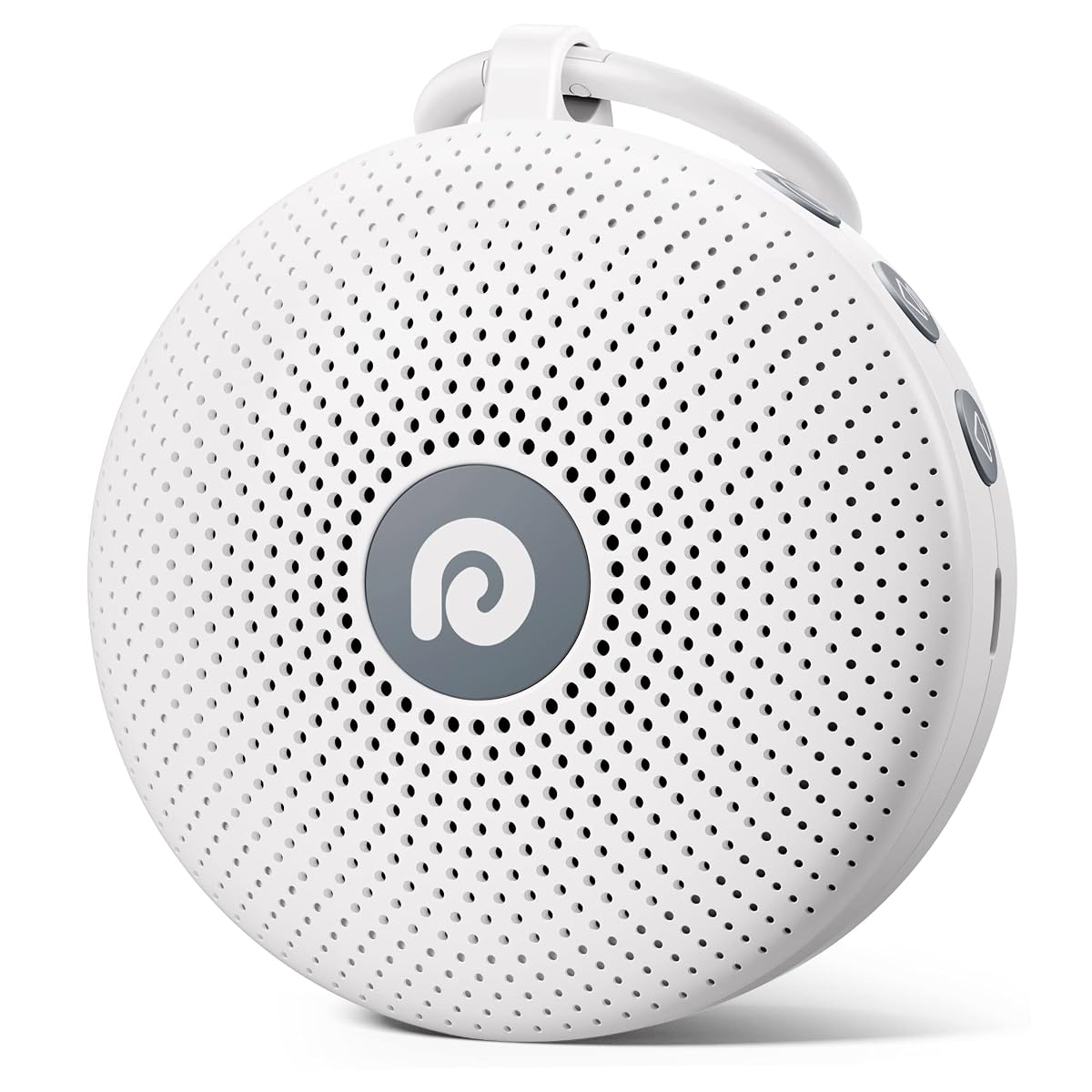
Hatch Restore 3 Sunrise Alarm
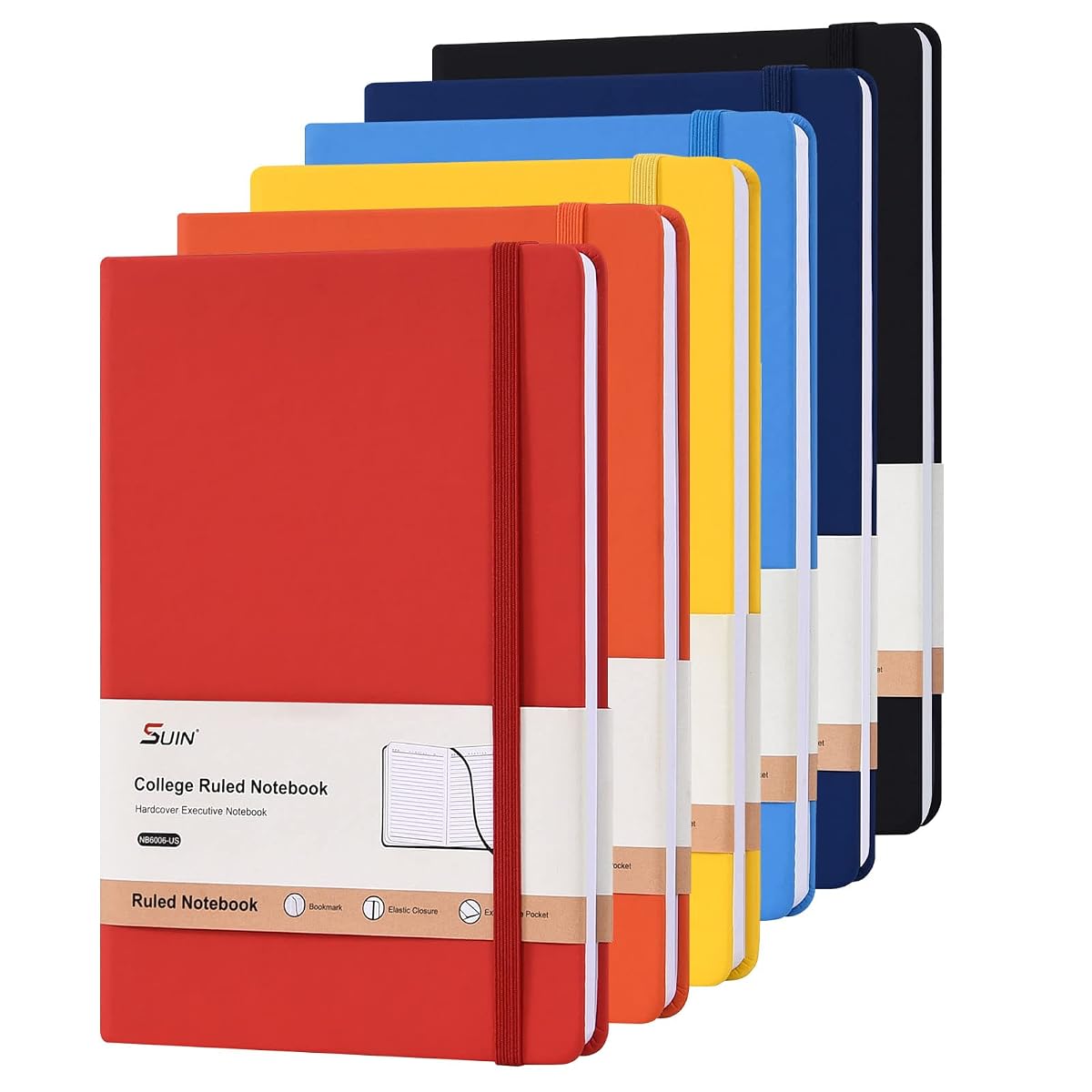
The 5-Minute Journal
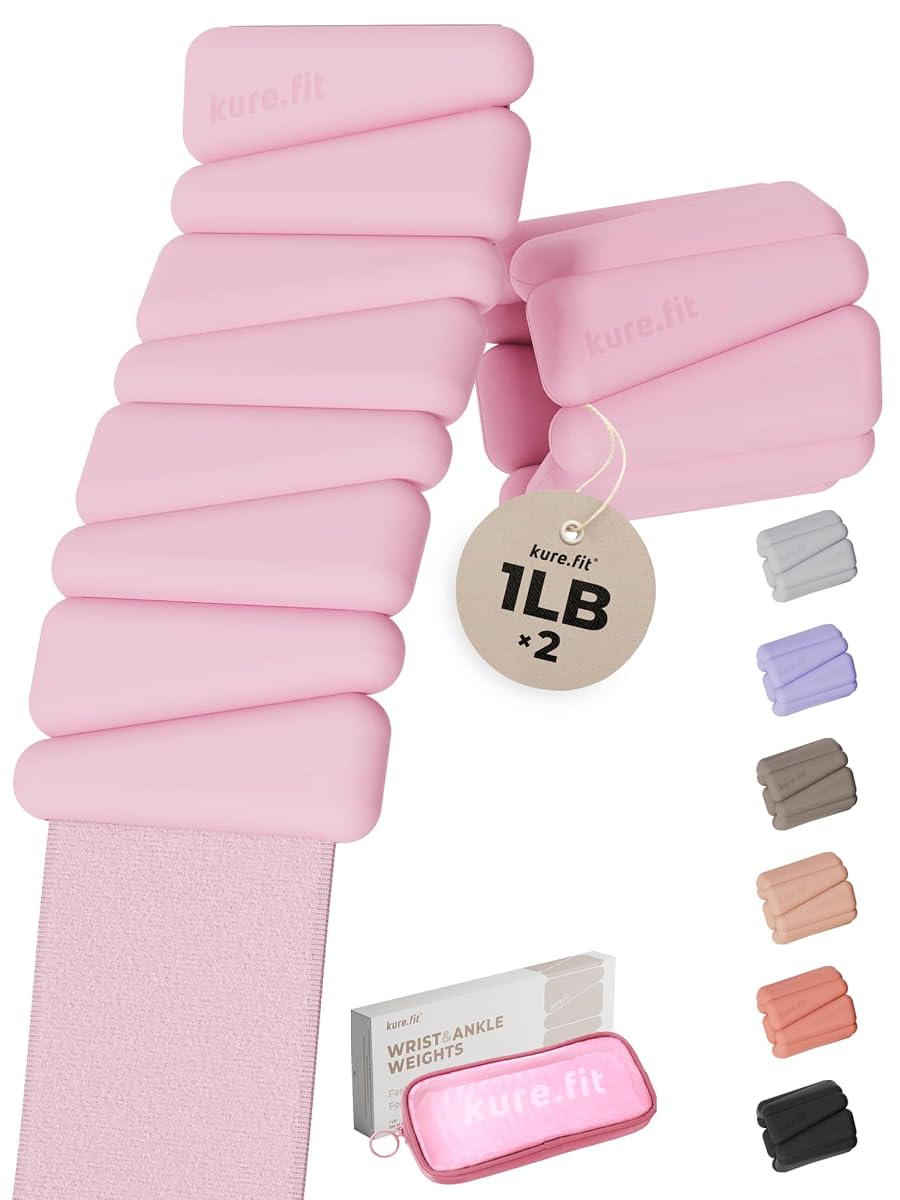
Bala Bangles (1lb pair)
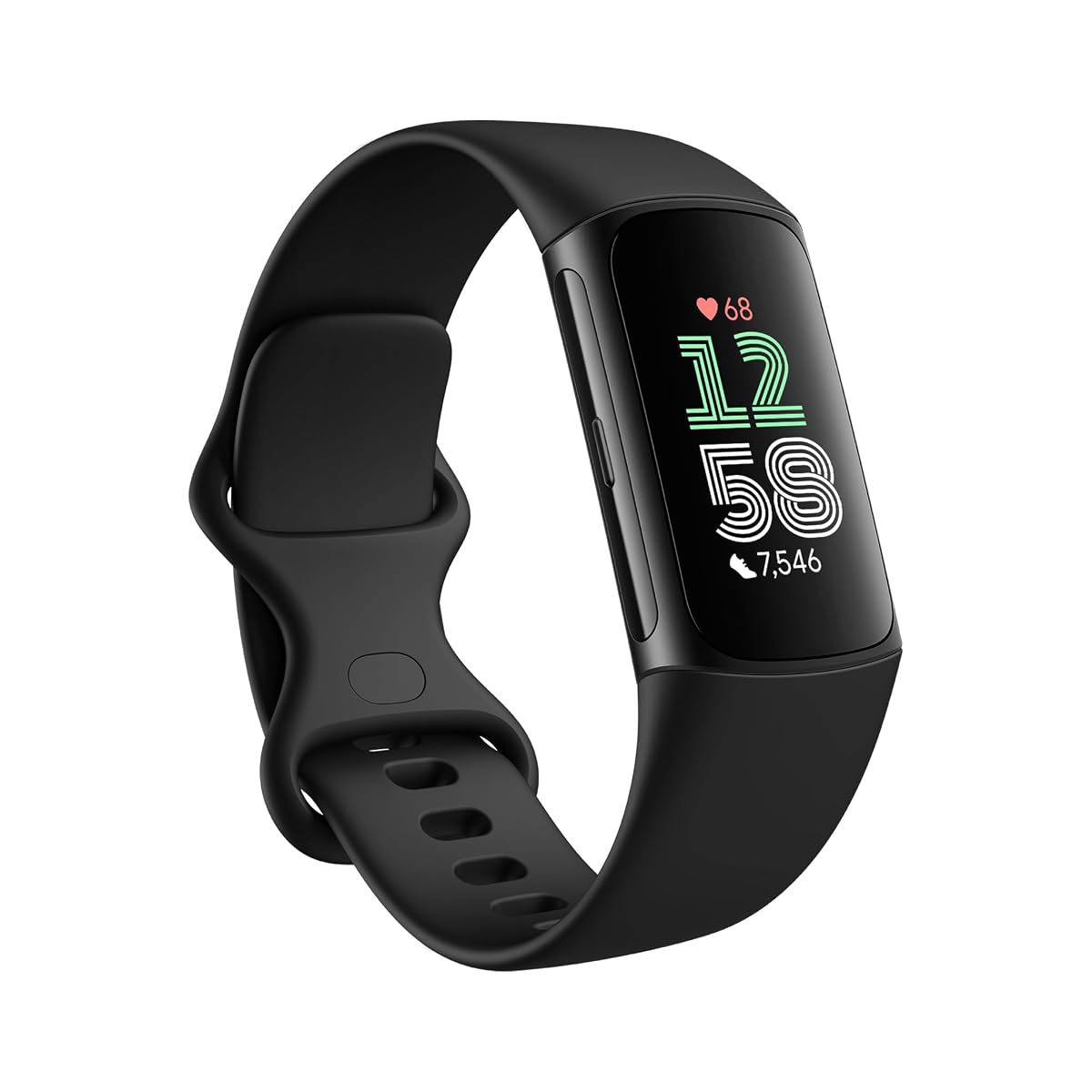
Oura Ring Gen 3
beingvela is reader-supported. Some links are affiliate links, we may earn a small commission at no extra cost to you.
Prices are snapshots and change over time.
Shop the Everyday Essentials
The tools and gear we actually use, curated and tested by our editors.
Browse essentialsGo deeper with a guide
The Sleep Reset
A 14-day protocol to fix your circadian rhythm, deepen your sleep, and help you wake up rested without relying on supplements.
Read the guide GuideFoundations of Strength
The beginner-friendly framework to build lifelong strength with just three movements, twice a week.
Read the guide GuideEat for Energy
A practical nutrition guide to stabilise blood sugar, sharpen focus, and eat well without counting anything.
Read the guideKeep reading
 Productivity
The No-Phone Morning Hour: Why the First 60 Minutes Set the Whole Day
The first thing your brain does in the morning becomes the template for the next 16 hours. Here's why a phone-free first hour is the highest-leverage productivity change most people never make, and how to actually pull it off.
 Productivity
Attention Residue: Why Multitasking Costs You 40% and How to Stop
Every time you switch tasks, part of your attention stays behind. Sophie Leroy named this 'attention residue' in 2009 and the research since has been damning. Here's the practical protocol.
 Productivity
The Weekly Review: The 30-Minute Ritual That Ends Sunday Anxiety
If your weeks feel reactive and your Sundays feel dreadful, you're missing one specific habit: a 30-minute weekly review. Here's the exact template, why it works, and how to make it stick past week three.