
Fix Your Sleep in 14 Days: A Practical Reset
A step-by-step protocol to rebuild your circadian rhythm, deepen sleep, and wake without an alarm. No supplements, no gadgets required.

Sleep problems rarely fix themselves. But of every health issue you can work on, sleep responds fastest when you get deliberate. Two weeks of the protocol below will move your sleep quality more than any pill, supplement, or gadget on the market. The reason is that most sleep problems in otherwise healthy adults are behavioral, not biological. And behaviors can be rewritten in two weeks.
This is a two-phase reset. The first week is about anchoring your circadian rhythm; the second week is about deepening what you've built. Do not try to do everything at once. Doing week one perfectly and week two poorly will give you a better result than trying to do all of it at once and burning out on day 4.
Days 1-7: rebuild your rhythm
- Wake at the same time every day, including weekends. This is the single most powerful lever
- Get outside within 30 minutes of waking, for at least 10 minutes, no sunglasses
- No screens for 60 minutes before bed. A paperback, a bath, a conversation, anything else
- Bedroom temperature between 16-19°C (60-67°F). Cooler than feels intuitive
- No caffeine after 12 p.m., even if you swear it doesn't affect you (its half-life is 5-7 hours)
The wake time is the anchor everything else builds on. If you sleep in on Sunday to catch up, you've just given yourself jet lag going into Monday, and Monday night's sleep will be worse for it. Pick a wake time you can hold seven days a week and defend it like a meeting with your most important client.
Why morning light matters more than anything else you do
Your circadian rhythm is governed by a small cluster of cells above your optic nerve that reads light exposure and decides when your body should be sleepy. Morning light is the strongest signal it receives. Get it, and everything downstream, melatonin release timing, cortisol curve, body temperature drop at night, self-organizes. Skip it, and you're trying to fix a broken system by attacking symptoms.
Ten minutes on a cloudy day, five minutes on a sunny one. Walk to a coffee shop, take a call outside, drink your coffee on a porch. The bar is very low and the payoff is enormous.
Days 8-14: deepen it
Once your rhythm is stable, the second week focuses on the quality of the hours you're already sleeping. This is where blackout, cool air, and a wind-down ritual matter more than any supplement.
The wind-down that works
Ninety minutes before bed, dim every light in your house to the lowest usable setting. Sixty minutes before bed, screens off. Thirty minutes before bed, do the same 3-4 things every night. A hot shower, brushing teeth, ten pages of fiction, lights out. The specifics matter less than the repetition; your brain learns to associate that sequence with sleep and starts secreting melatonin on cue.
The hot shower trick is worth calling out. Heating your skin causes your core body temperature to drop 30-60 minutes afterward, which is exactly the drop your body needs to fall asleep. A 15-minute hot shower 90 minutes before bed reliably shortens sleep onset by 8-10 minutes in most people.
Measure, don't guess
The most motivating thing you can do during a 14-day reset is watch your sleep score climb. Any wearable is fine, but the ones below track sleep stages with reasonable accuracy without needing to be charged every single night. Seeing your deep sleep double from 45 minutes to 90 minutes over two weeks is a habit-cementing feedback loop nothing else can replicate.
When you wake at 3 a.m.
Everyone does. The problem isn't waking; it's what you do afterward. Two rules: don't check the time (it triggers anxiety math about how many hours are left), and if you're still awake after 20 minutes, get out of bed. Read something boring in dim light in another room until you're sleepy again. Staying in bed anxious teaches your brain that bed is a place for anxiety. Getting up preserves the association between bed and sleep.
What to skip
Skip melatonin unless you're managing jet lag. Most people take 5-10x too much and it disrupts natural production. Skip magnesium sprays and pillow mists; the effects are placebo at best. Skip weighted blankets if you sleep hot. Skip the entire category of 'sleep supplements' until you've done 14 days of the protocol above and still have a specific problem to solve. The behavioral work moves your sleep more than any pill ever will, and once your rhythm is fixed, most of the supplements you were considering become unnecessary.
How to know it's working (before your wearable does)
Three signals show up faster than any tracker will register them. You start feeling naturally sleepy around the same time each night. Usually 30-60 minutes earlier than you used to. You wake before your alarm on at least two days of the week, without dread. And the fog of the first waking hour disappears; you're functional before caffeine instead of because of it. If all three show up by day 10, the reset is working and you're on track. If none of them show up by day 14, the issue is almost always one of two things: the wake time drifted on weekends, or evening light is still too bright after 9 p.m. Fix those two before touching anything else.
When to see a doctor instead
A reset like this only works on behavioral sleep problems, which are the majority. It won't touch sleep apnea (loud snoring, waking gasping, morning headaches), restless leg syndrome, thyroid issues, or the sleep disruption caused by certain medications. If you've held the protocol tightly for 14 days and still wake unrefreshed, ask your doctor about a home sleep study before you spend another cent on gadgets. Untreated apnea is common and it invisibly caps everything else you're doing for your health.
Life after day 14
The goal isn't to run the protocol forever. It's to build a rhythm your life defaults to. After two weeks, you can loosen the caffeine cutoff slightly (2 p.m. instead of noon), skip morning light on the occasional gloomy Sunday, or push bedtime later on a Friday. What you never give back is the fixed wake time and the wind-down. Those two are the anchors. Everything else is negotiable. Most readers who hold this for six months report they simply forgot they used to have a sleep problem, which is exactly what a working reset feels like from the other side.
Tools referenced in this piece
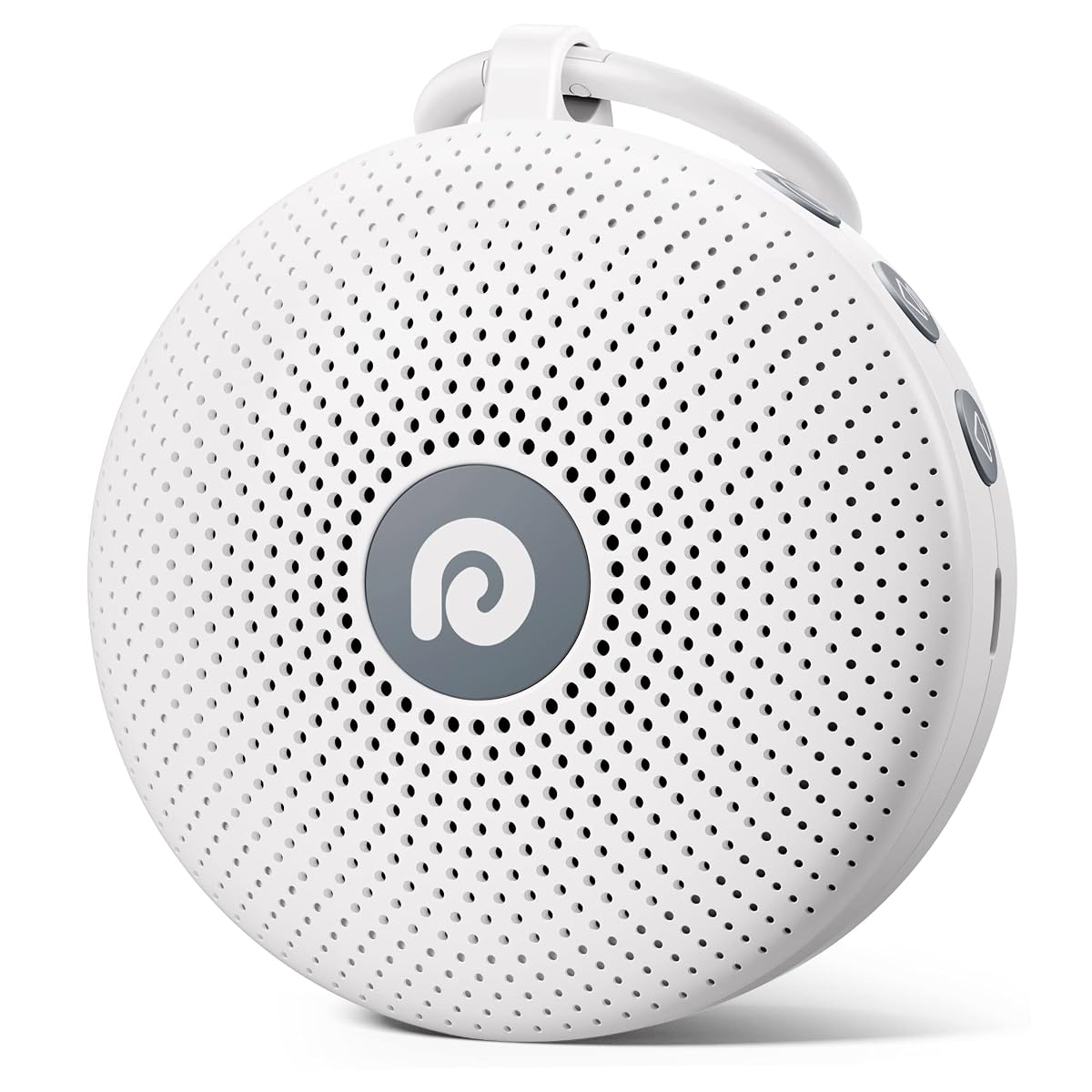
Hatch Restore 3 Sunrise Alarm
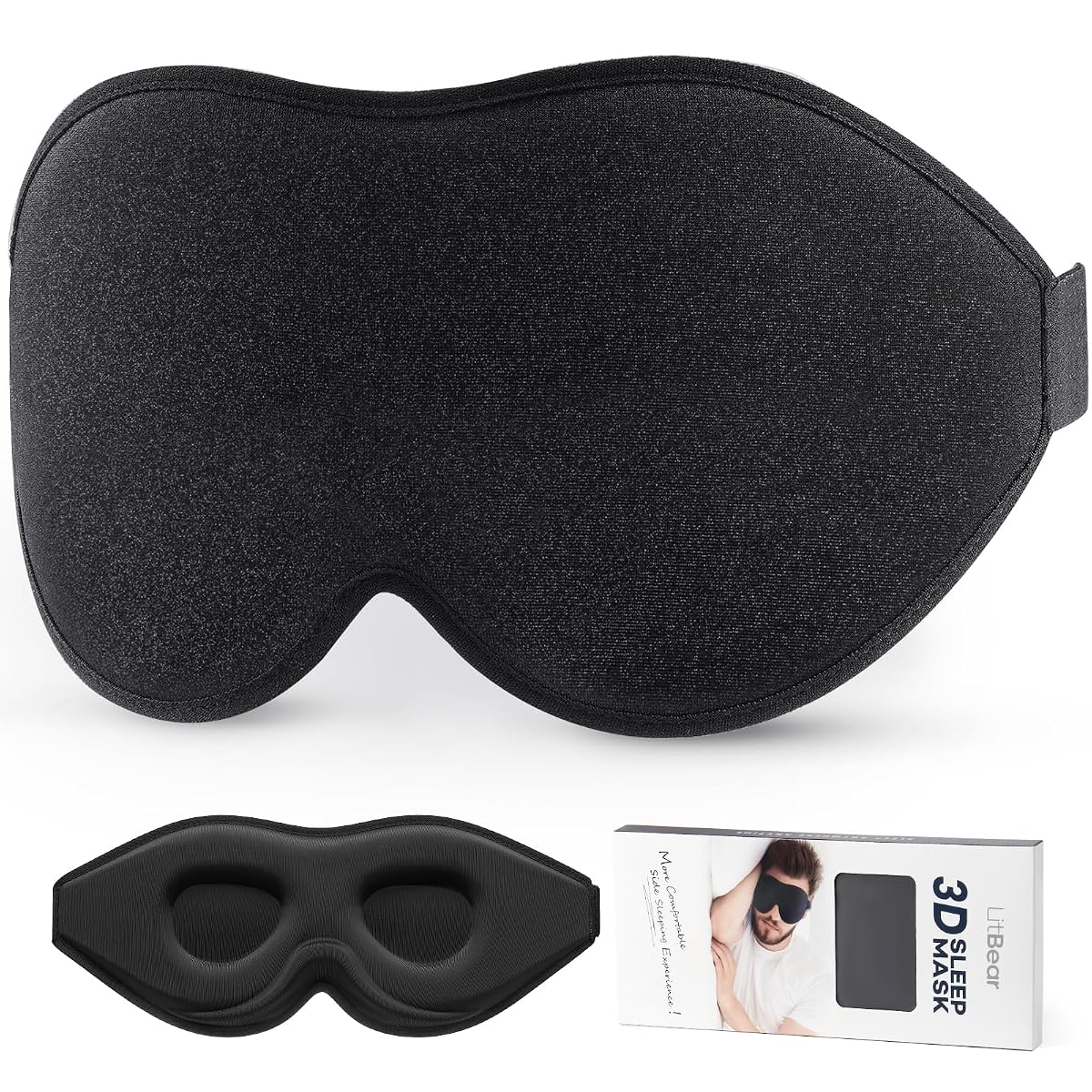
Manta Original Sleep Mask
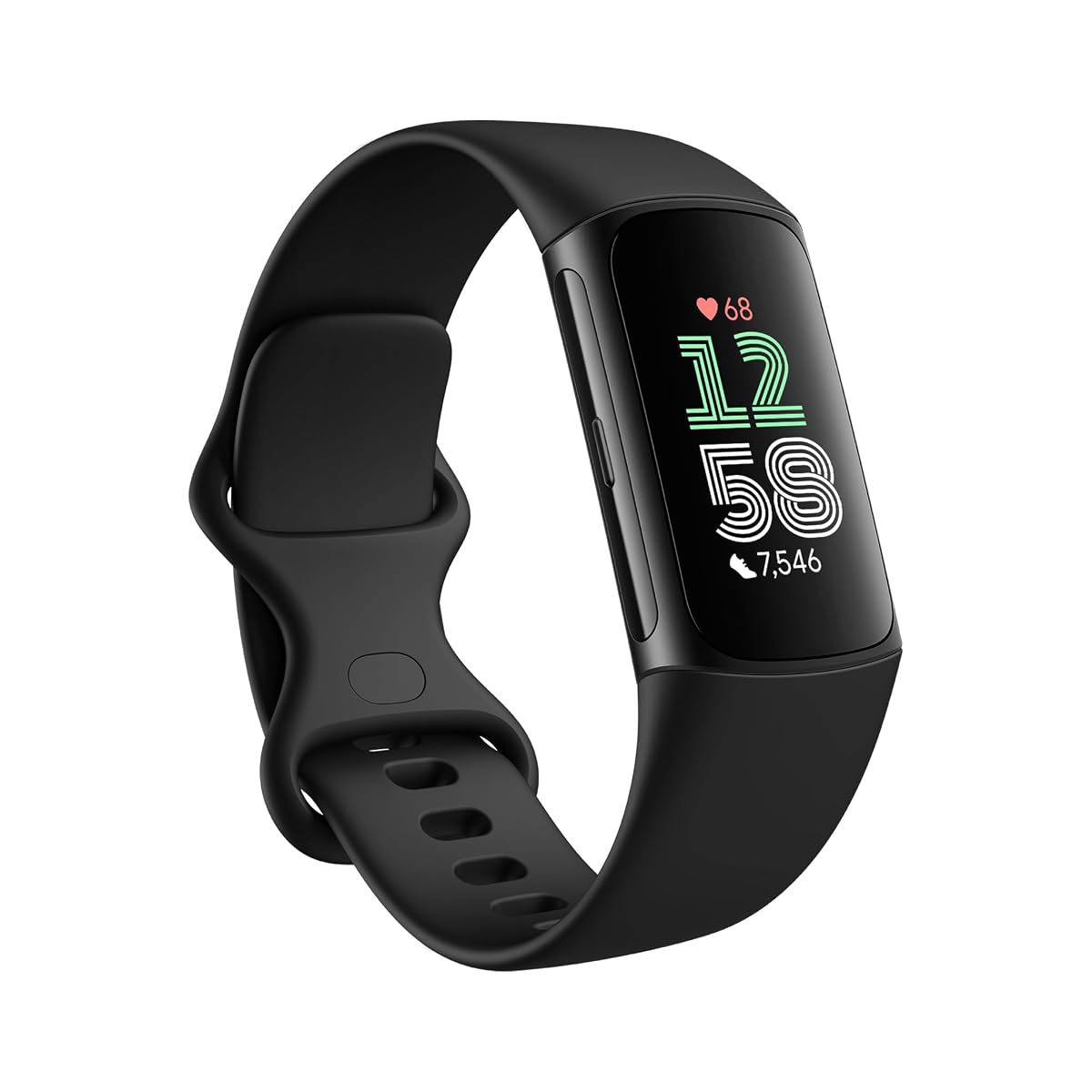
Oura Ring Gen 3
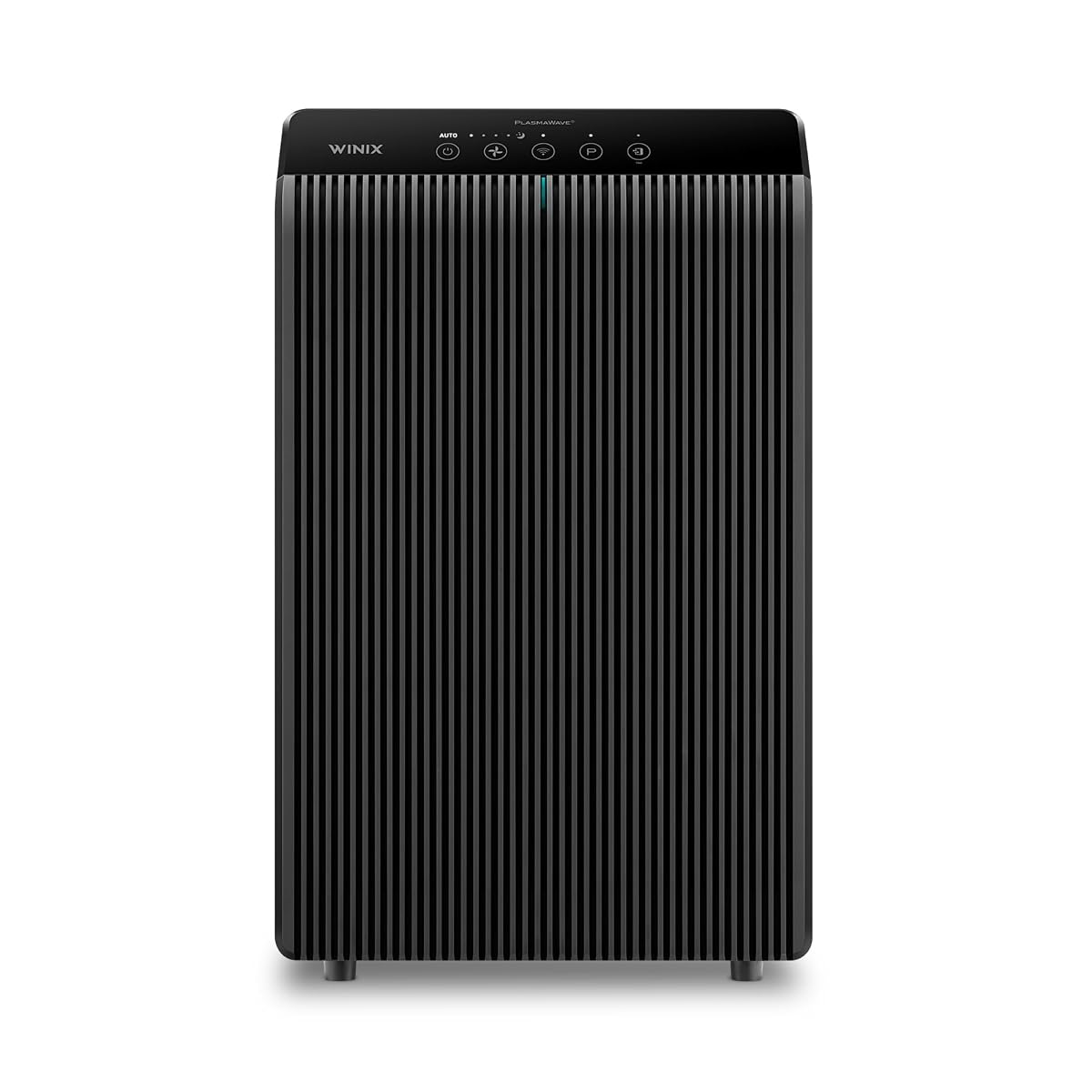
Blueair Blue Pure 511i Max
beingvela is reader-supported. Some links are affiliate links, we may earn a small commission at no extra cost to you.
Prices are snapshots and change over time.
Shop the Everyday Essentials
The tools and gear we actually use, curated and tested by our editors.
Browse essentialsGo deeper with a guide
The Sleep Reset
A 14-day protocol to fix your circadian rhythm, deepen your sleep, and help you wake up rested without relying on supplements.
Read the guide GuideFoundations of Strength
The beginner-friendly framework to build lifelong strength with just three movements, twice a week.
Read the guide GuideEat for Energy
A practical nutrition guide to stabilise blood sugar, sharpen focus, and eat well without counting anything.
Read the guideKeep reading
 Recovery
HRV: What It Actually Measures and How to Move the Number
Heart rate variability is the most misunderstood metric in wearable fitness. Here's what the number really means, what moves it, and how to use it without becoming a slave to a morning notification.
 Recovery
Nasal Breathing at Night: The Overlooked Lever for Deeper Sleep
Mouth breathing quietly wrecks recovery, HRV, and morning energy. Here's the physiology, the evidence, and the simple bedroom protocol that fixes it in about a week.
 Recovery
Sauna Protocols: What the Finnish Data Actually Shows
A 20-year study of 2,300 Finnish men found that frequent sauna use cut cardiovascular mortality nearly in half. Here's what the research actually says, the protocol that produced the effect, and why 'more heat is better' is dangerously wrong.