
Intermittent Fasting: Beyond the Basics
Explore advanced intermittent fasting strategies for cellular autophagy, metabolic flexibility, and prolonged vitality.

16:8 was the entry drug. If you've been fasting comfortably for six months or more, there's a whole second layer of protocols worth exploring: 24-hour resets, protein-cycled fasts, and time-restricted eating pushed earlier in the day. These are not for beginners, and they aren't for everyone. But if you've hit a plateau with basic intermittent fasting, they're where the next round of benefits lives.
This isn't an argument for extreme fasting. It's an argument for using fasting the way you'd use any other training stress: intelligently dosed, matched to your goals, and built on a stable base.
Push your eating window earlier
Early time-restricted eating, finishing your last meal by 6 p.m., consistently shows stronger metabolic benefits than the same window shifted to later in the day. The reason is circadian: your body handles glucose meaningfully better in the morning than in the evening. A 400-calorie meal at 8 a.m. produces a much smaller glucose response than the same meal at 8 p.m., because your insulin sensitivity peaks earlier in the day.
Most people find this counterintuitive because our social lives are built around evening food. But even shifting your window from 12-8 p.m. to 10 a.m.-6 p.m. captures most of the metabolic gain. You still get a family dinner, just an earlier one.
One 24-hour fast per month
A single monthly 24-hour fast appears to trigger meaningful autophagy, the cellular clean-up process where cells recycle damaged proteins, without any of the muscle-loss concerns of longer protocols. Twenty-four hours is long enough to deplete liver glycogen and shift into deeper ketosis, but short enough that muscle protein breakdown stays negligible.
The mechanics: finish dinner at 7 p.m. on Sunday, drink water, black coffee, plain tea, and electrolytes through Monday, break the fast with dinner Monday evening. You skip breakfast and lunch. That's it. Most people find the hardest part is not the hunger but the boredom of not eating socially. Hunger comes in waves and passes; social hunger is a habit.
The electrolyte piece nobody talks about
Failed 24-hour fasts are almost always electrolyte failures, not willpower failures. When you don't eat, your kidneys dump sodium aggressively. Low sodium presents as headaches, weakness, and irritability. All of which get blamed on hunger. The fix is stupidly simple: 1/4 teaspoon of salt in water twice during the fast. Add magnesium and potassium if you have them. Suddenly the fast is uneventful.
Protein-cycling: the underrated protocol
One day per week, cap protein at 25g. The rest of the week, eat normally (0.8-1g per pound of bodyweight). This mimics some of the longevity signals of longer fasts, mTOR downregulation, autophagy activation, without giving up training or muscle. It's easier to sustain than any calorie restriction protocol and slots into a normal social life.
A practical low-protein day looks like: fruit and coffee for breakfast, a big vegetable-and-rice bowl for lunch, roasted vegetables and lentils for dinner. Filling, not painful, and back to normal the next morning.
What to skip
Ignore the 72-hour fasting cults. The risk-to-reward ratio gets worse fast, and the marginal longevity benefit over shorter protocols is small enough that most researchers stopped recommending them for healthy adults. Real muscle loss becomes measurable somewhere between 48 and 72 hours, and the psychological cost of the last day is out of proportion with what you get.
Also skip: fat fasts, dry fasts, and anything marketed as a 'cleanse.' None of them are supported by the mechanism they claim to activate, and several of them are actively dangerous.
Who shouldn't do any of this
Pregnant or breastfeeding women, anyone with a history of disordered eating, people managing type 1 diabetes, and anyone underweight. Extended fasting is a training stress; if your base is compromised, adding stress isn't the answer. For teenagers, the answer is almost always no. The metabolic and hormonal environment of a growing body doesn't need this input.
How to measure whether it's working
Three signals worth tracking over 60-90 days: fasting glucose in the morning (should trend down), waist circumference (should trend down independently of weight), and how you feel at hour 20 of a 24-hour fast (should get noticeably easier). If none of those three move in the right direction over three months, the protocol isn't the right lever for you and it's fair to walk away.
You can also spot-check the same longevity signals with a mix of shorter fasts, resistance training, and consistent sleep. Which for most people is a better use of the same energy anyway.
How to break a longer fast without undoing it
The refeed is where people quietly wreck their own results. After 20+ hours without food, insulin sensitivity is high and your gut is empty. Which is why an instinctive 'reward' meal of pizza and dessert produces a glucose spike that dwarfs anything you'd normally see. The blood-sugar swing that follows can leave you feeling worse than you did at hour 22 of the fast, and it undoes most of the metabolic benefit you were fasting for in the first place.
The refeed that works is small, protein-forward, and low-glycemic. A cup of Greek yogurt with berries, a bowl of lentil soup, or eggs with sautéed vegetables. Wait 30-45 minutes, then eat a normal, balanced meal. The two-step version prevents the spike, protects the insulin sensitivity you just spent hours building, and stops the post-refeed nap that makes people conclude fasting 'doesn't work for me.'
Fasting and training: the piece nobody explains
Fasted cardio at low intensity (walking, easy cycling) is fine and even useful. You're teaching your body to burn fat for fuel at rest. Fasted resistance training is a different animal. Lifting on a 20+ hour fast measurably reduces both performance and muscle-protein synthesis, and repeated over weeks it slowly costs you muscle. If your fast overlaps with a training day, schedule the lift for after you break the fast, and eat 30-40g of protein in the hour before you train. Preserve the muscle; the autophagy signal doesn't care whether you exercised inside or outside the eating window.
Signs you should shorten your fast, not lengthen it
Fasting is a stressor, and stressors have a point of diminishing returns that varies by person. Warning signs it's too much for you right now: sleep gets worse instead of better, resting heart rate climbs 5+ bpm above your baseline, mood tanks, cold hands and feet all day, or menstrual cycles become irregular. Any of these mean the current dose is exceeding your recovery capacity, and the right response is to shorten the fasting window (or drop the 24-hour session entirely for a while), not to push harder. Fasting done right should make you feel better; if it doesn't, you're not weak. The protocol is wrong for your current life.
Tools referenced in this piece
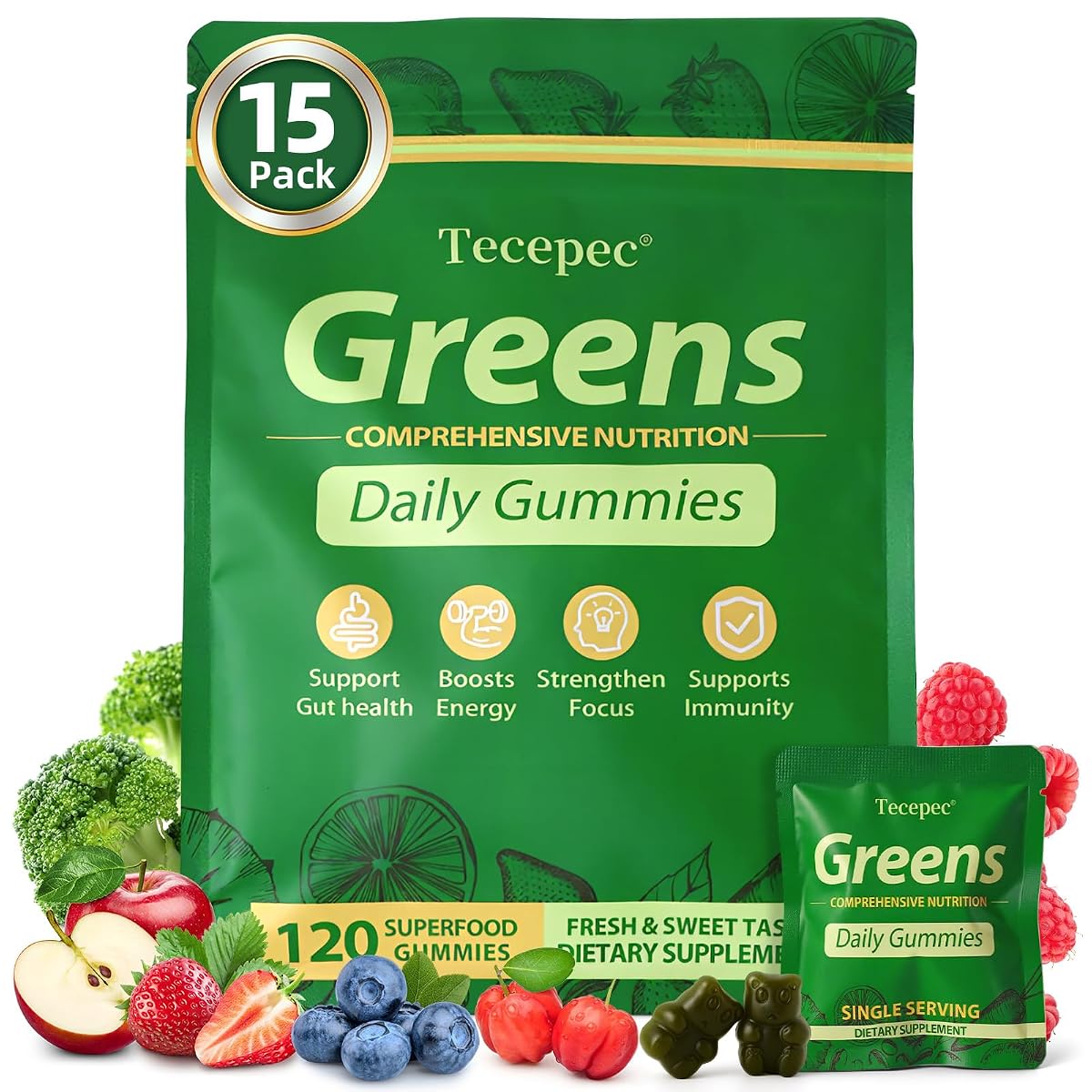
AG1 Athletic Greens (Travel Packs)

Hydro Flask 32oz Wide Mouth
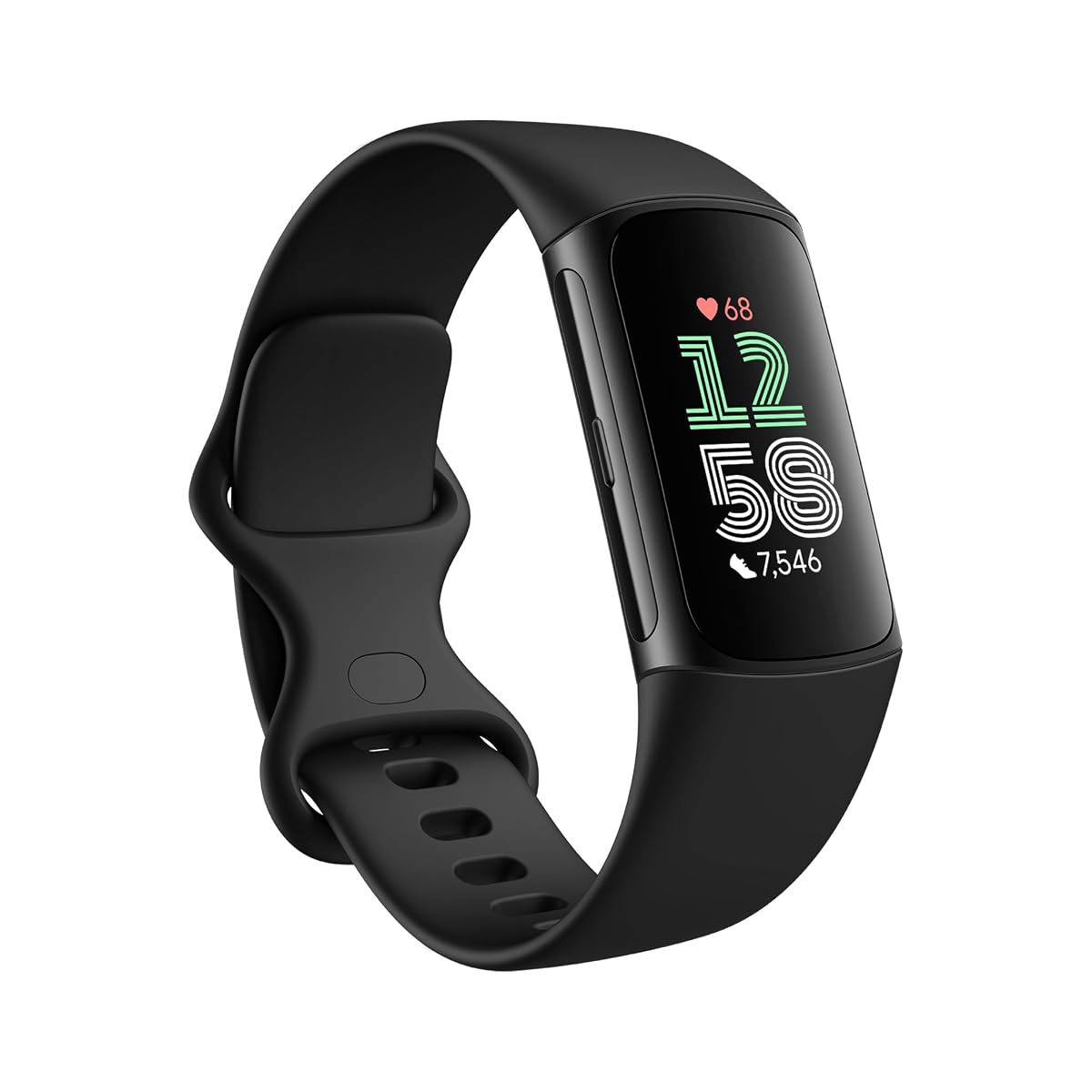
Oura Ring Gen 3

Blueair Blue Pure 511i Max
beingvela is reader-supported. Some links are affiliate links, we may earn a small commission at no extra cost to you.
Prices are snapshots and change over time.
Shop the Everyday Essentials
The tools and gear we actually use, curated and tested by our editors.
Browse essentialsGo deeper with a guide
Foundations of Strength
The beginner-friendly framework to build lifelong strength with just three movements, twice a week.
Read the guide GuideThe Sleep Reset
A 14-day protocol to fix your circadian rhythm, deepen your sleep, and help you wake up rested without relying on supplements.
Read the guide GuideEat for Energy
A practical nutrition guide to stabilise blood sugar, sharpen focus, and eat well without counting anything.
Read the guideKeep reading
 Longevity
Grip Strength: The Overlooked Longevity Marker Nobody Trains
Grip strength predicts all-cause mortality better than blood pressure, and most people are quietly losing it every year without noticing. Here's why it matters and how to train it in 10 minutes a week.
 Longevity
Zone 2 Cardio: The Longevity Workout You're Skipping
The unsexy, low-intensity cardio that reshapes your mitochondria, drops resting heart rate, and adds years to your healthspan, done right, and done often.
 Longevity
VO2 Max: The Single Best Predictor of How Long You'll Live
A 2018 JAMA study found that low cardiorespiratory fitness carries more mortality risk than smoking, diabetes, and heart disease combined. Here's what VO2 max actually is, why it matters more than any other biomarker, and the training that reliably moves the number.